TITLE: India dei villaggi
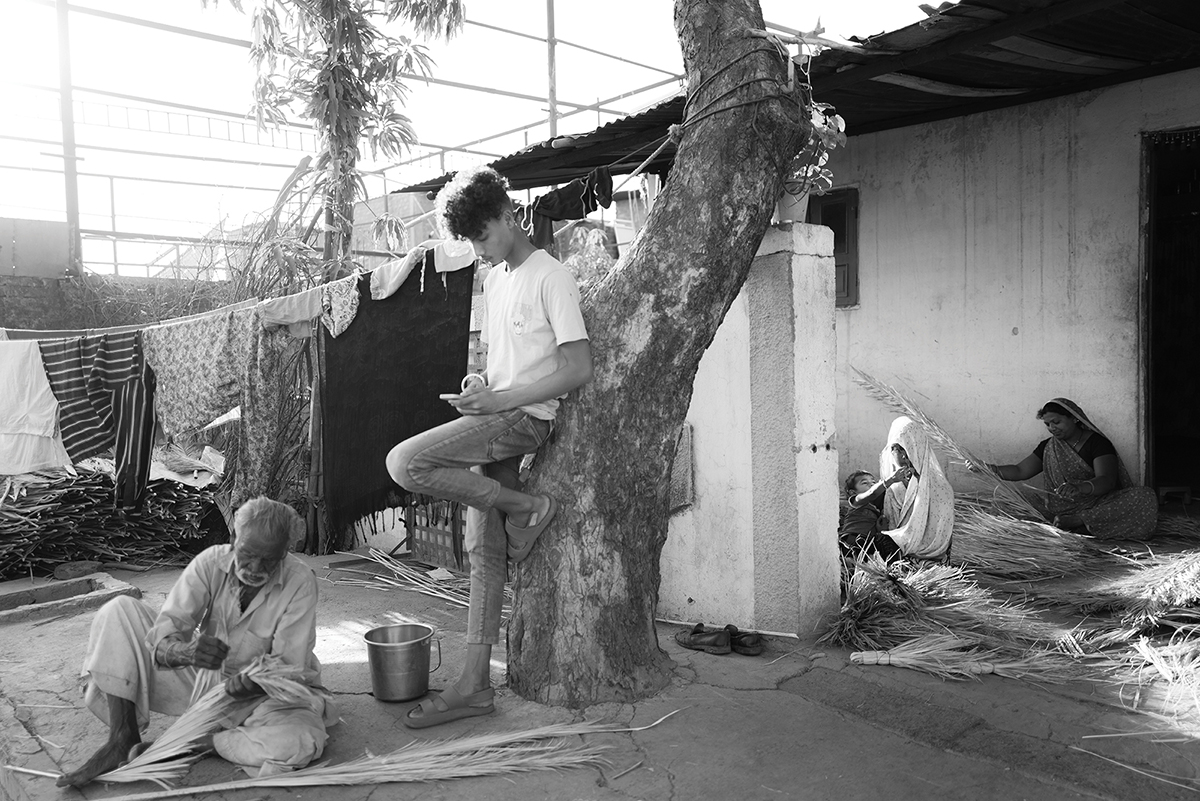
India dei villaggi is a long-term documentary project developed in the rural villages of Madhya Pradesh, India.
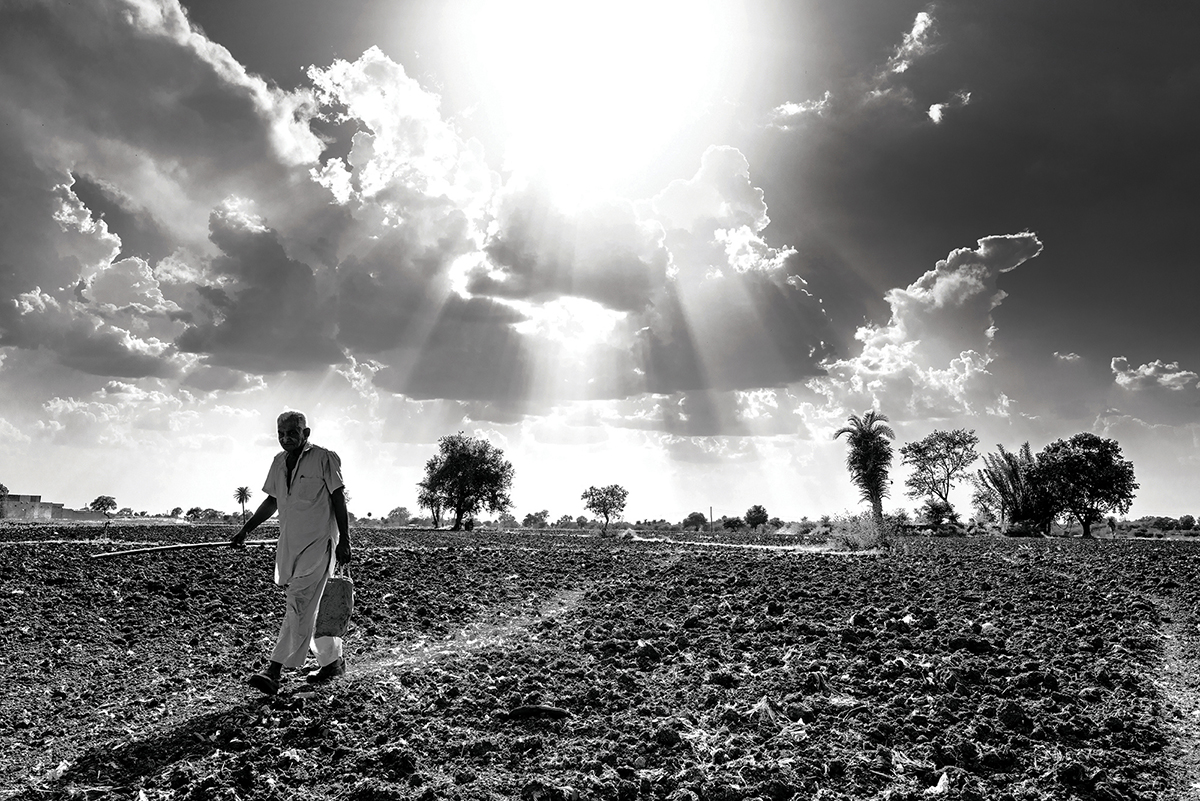
In 1980, Italian photographer Gianni Berengo Gardin travelled through these same villages inspired by Gandhi’s belief that the true soul of India lives in its rural communities. Nearly fifty years later, I returned to those places to observe how time, modernization and cultural transformation have reshaped everyday life.
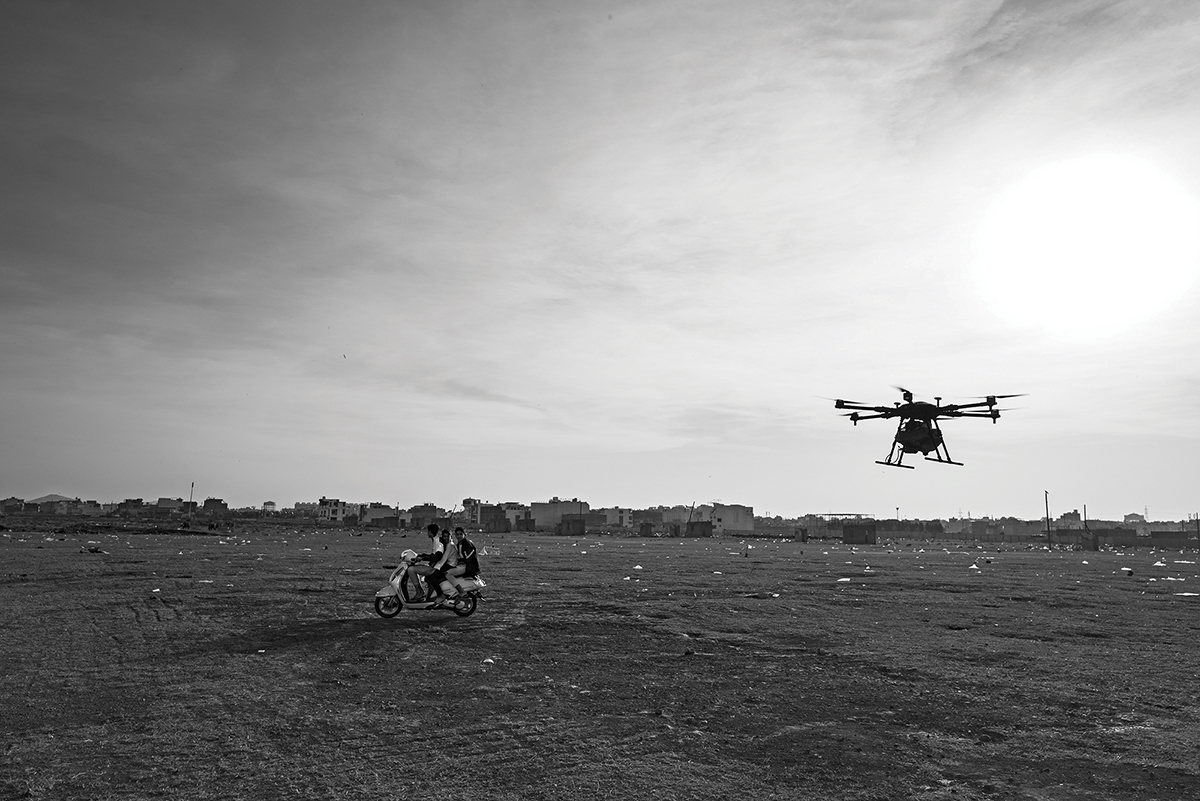
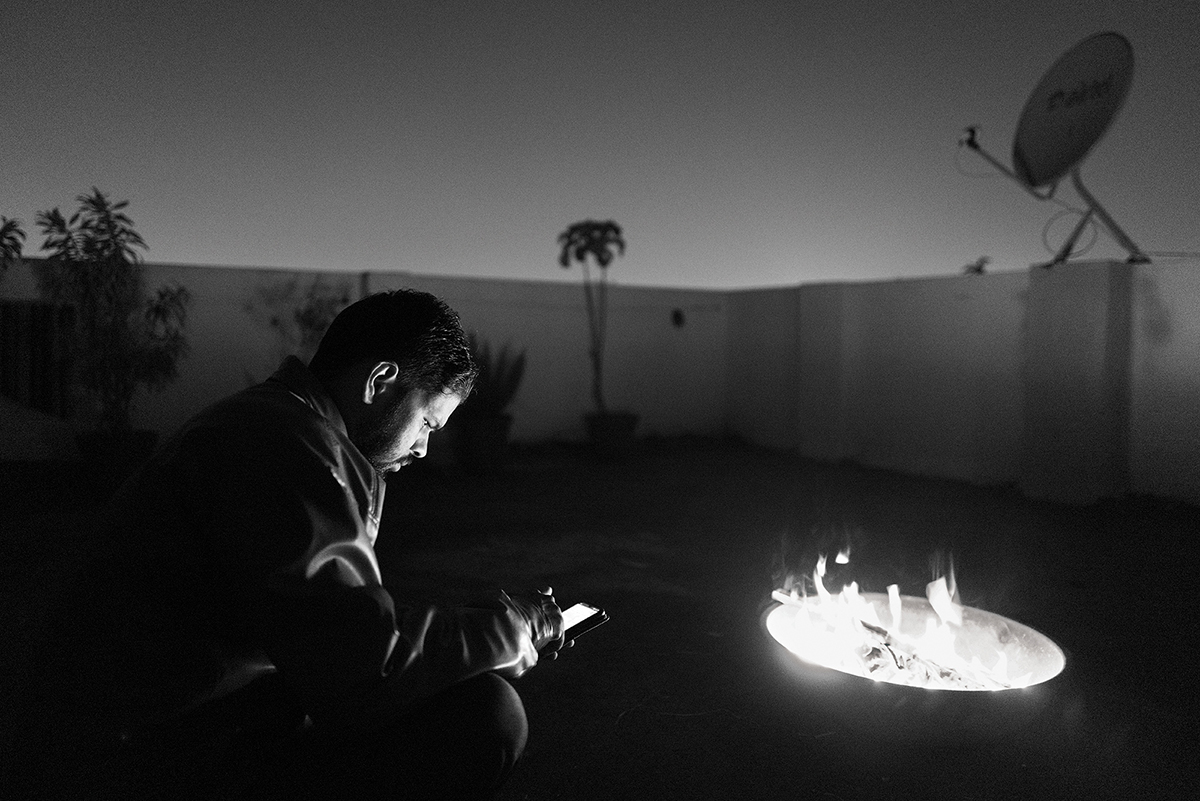
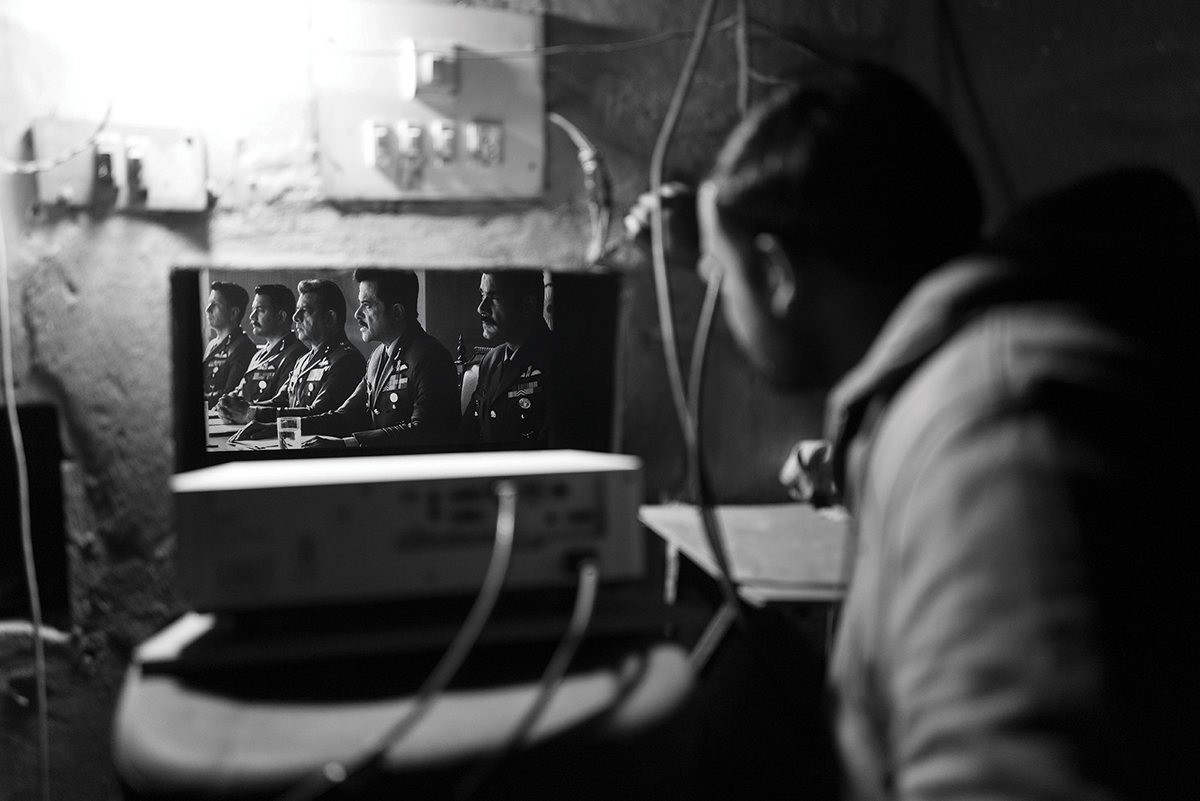
The project explores a world suspended between continuity and change, where ancient rituals, traditional labor and deeply rooted social structures continue to coexist with the visible signs of a rapidly evolving society.
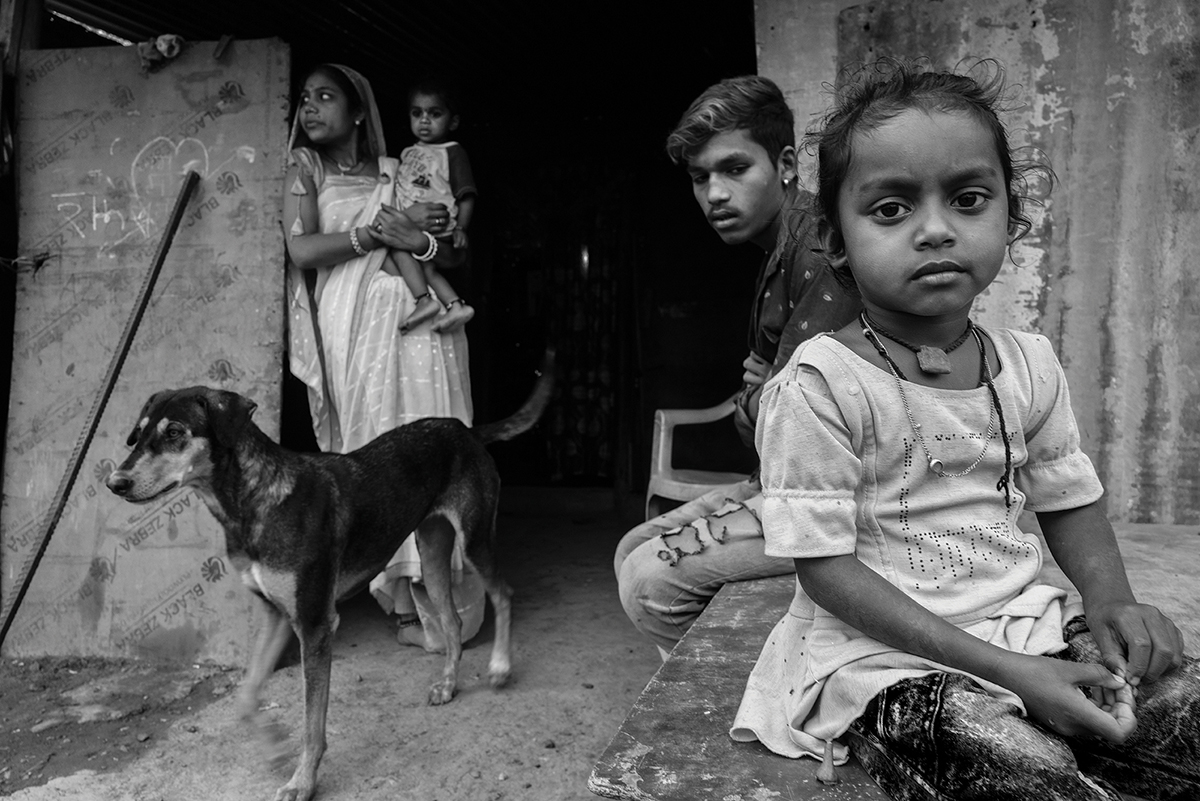
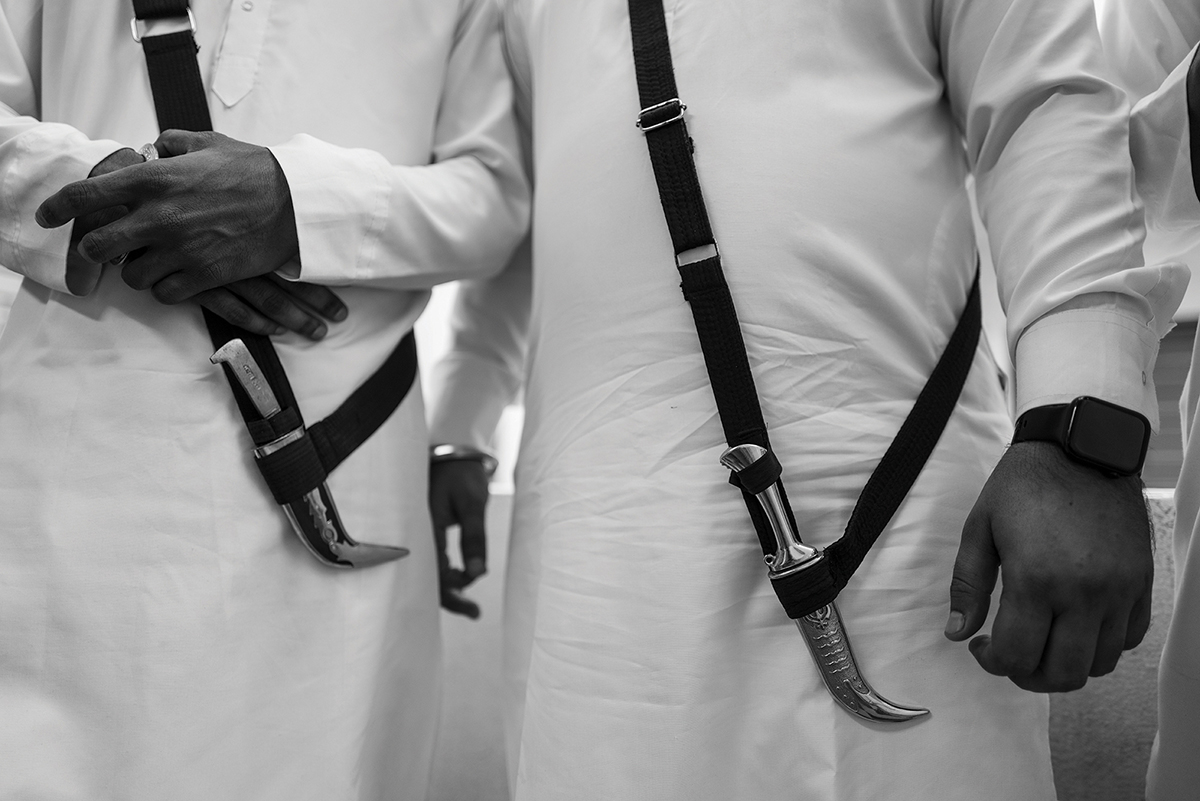
Rather than focusing on spectacle or exoticism, the photographs are built through slow observation and direct human relationships. Everyday gestures, religious ceremonies, moments of intimacy and ordinary village life become fragments of a broader reflection on memory, identity and permanence.
Across dusty roads, crowded weddings, silent interiors and communal spaces, the images document the subtle tension between inherited traditions and the growing presence of contemporary global culture. Technology, migration, economic development and new forms of communication gradually enter the landscape, transforming habits and perceptions while older cultural rhythms continue to endure.
More than a comparison between past and present, India dei villaggi reflects on the complexity of transition itself — on how communities adapt, resist and reinvent themselves while preserving a profound connection to their cultural roots.
AUTHOR: LORENZO ZELASCHI (Italy)
Lorenzo Zelaschi is an Italian documentary photographer born in Bergamo in 1985. His work focuses on the relationship between memory, social change, spirituality, and the fragile balance between tradition and modernity. Through a visual language that combines documentary observation with a strong humanistic approach, he explores places and communities suspended between past and present, often concentrating on themes of identity, ritual, and cultural transformation.
Before dedicating himself entirely to photography, Zelaschi worked as a graphic designer, videomaker, and painter. This multidisciplinary background continues to influence his photographic vision, shaping a strong attention to composition, atmosphere, and narrative structure. He studied at NABA – Nuova Accademia di Belle Arti in Milan and later developed a personal approach rooted in long-term immersion and direct experience.
Over the years, his work has been published and supported by institutions, magazines, and cultural organizations in Italy. In 2019 he collaborated with Legambiente on the environmental project Zero plastica in mare, supported by BNL BNP Paribas. Shortly afterward, he was commissioned by the Diocese of Bergamo to document the Synod of the Amazon, a project that led to the photographic work Mater, later exhibited at the Festival della Fotografia Etica in Lodi.
In March 2020, during the first COVID-19 lockdown in Italy, Zelaschi documented daily life and silence in Bergamo, one of the cities most deeply affected by the pandemic. This work later became the exhibition Primavera, inaugurated on March 18, 2021, at the Monumental Cemetery of Bergamo in the presence of Italian Prime Minister Mario Draghi during the national day of remembrance for the victims of COVID-19.
In recent years, Zelaschi has focused extensively on India, developing a long-term documentary research centered on rural communities in Madhya Pradesh. This work culminated in the publication of the photobook India dei villaggi 1980–2025, realized in close collaboration with Gianni Berengo Gardin and published by Contrasto. The book juxtaposes Berengo Gardin’s photographs from 1980 with Zelaschi’s contemporary images, creating a visual reflection on continuity and transformation across more than four decades of Indian rural life.
Rather than focusing on spectacle or exoticism, Zelaschi’s work seeks an intimate and respectful relationship with the people and environments he photographs. His images often explore the subtle tension between permanence and change, documenting how ancient traditions continue to coexist with technological acceleration and contemporary global culture.
Today, Lorenzo Zelaschi continues to work on long-term documentary projects in Italy and abroad, combining editorial, artistic, and independent research practices.
SHARE
Support this photographer - share this work on Facebook.