TITLE: Dreary Texas Gulf Coast
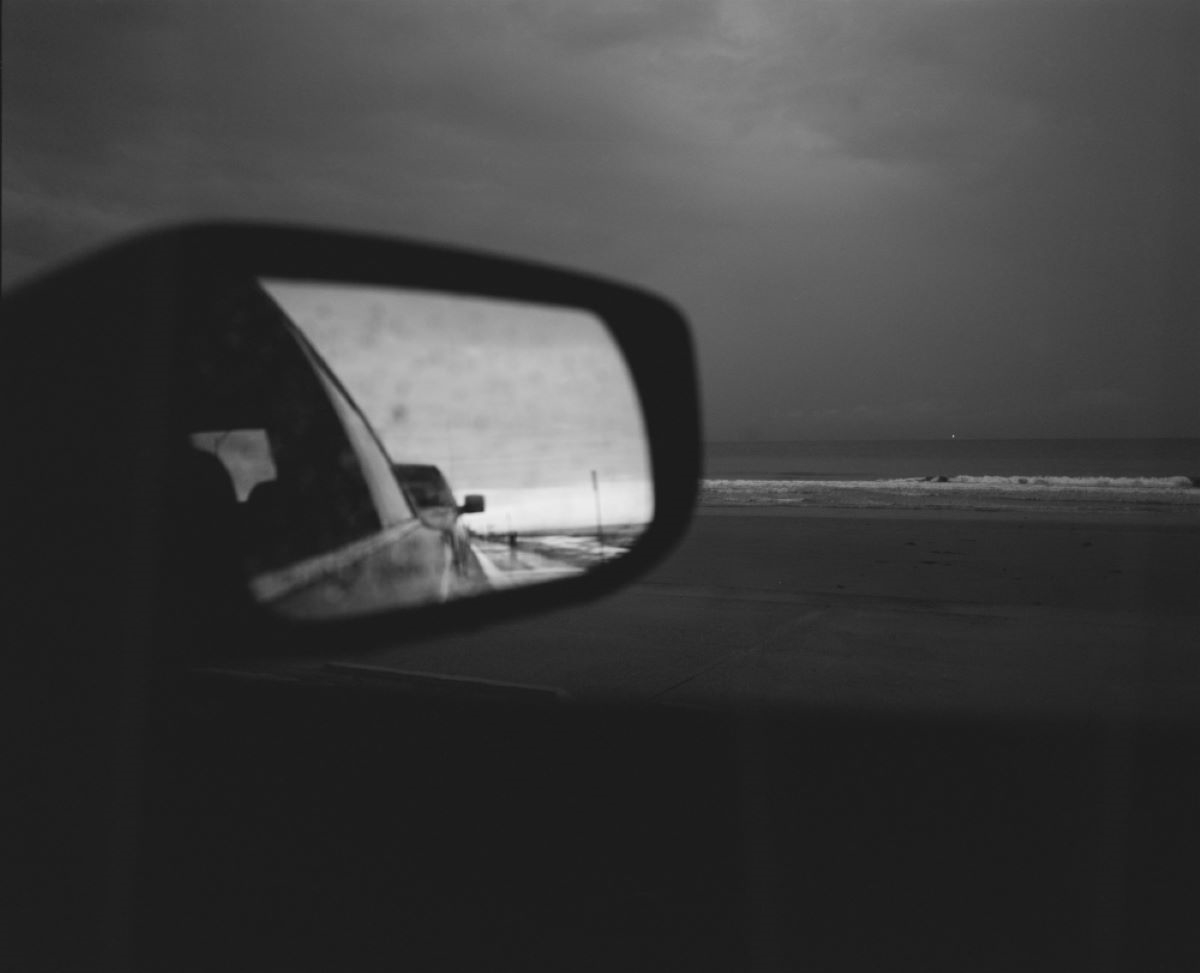
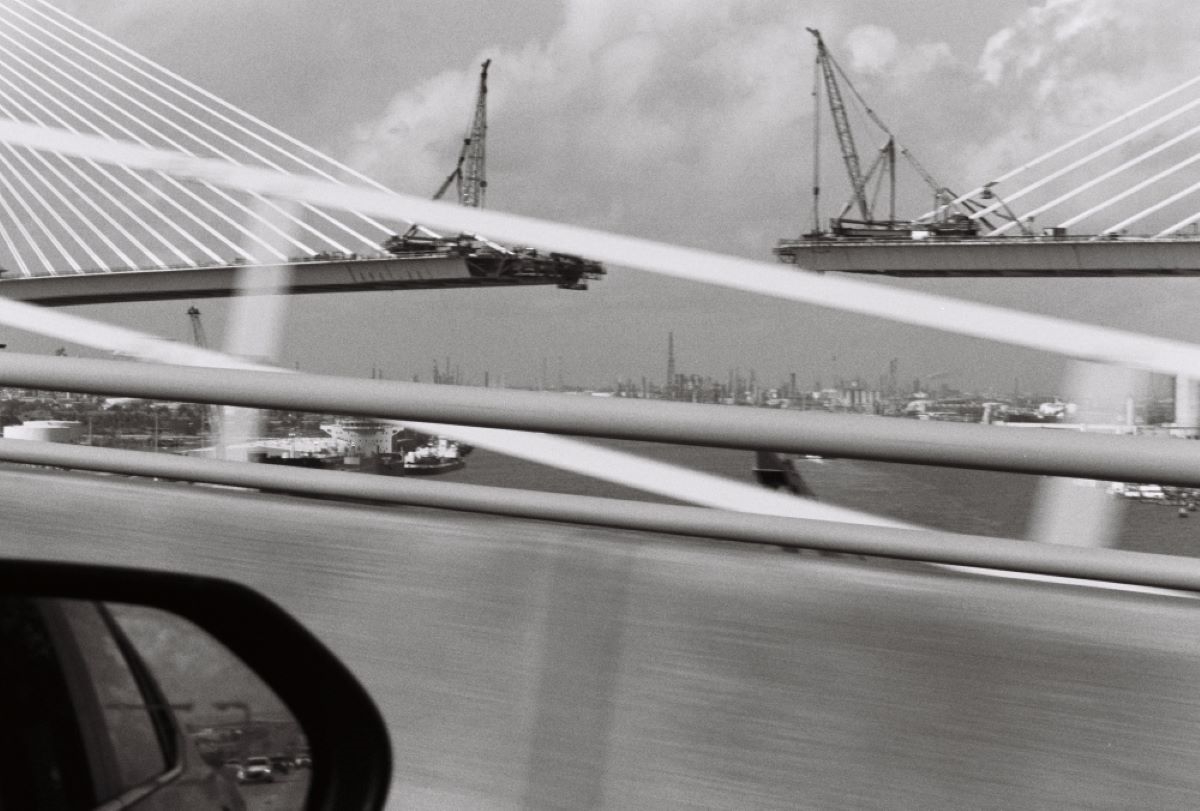
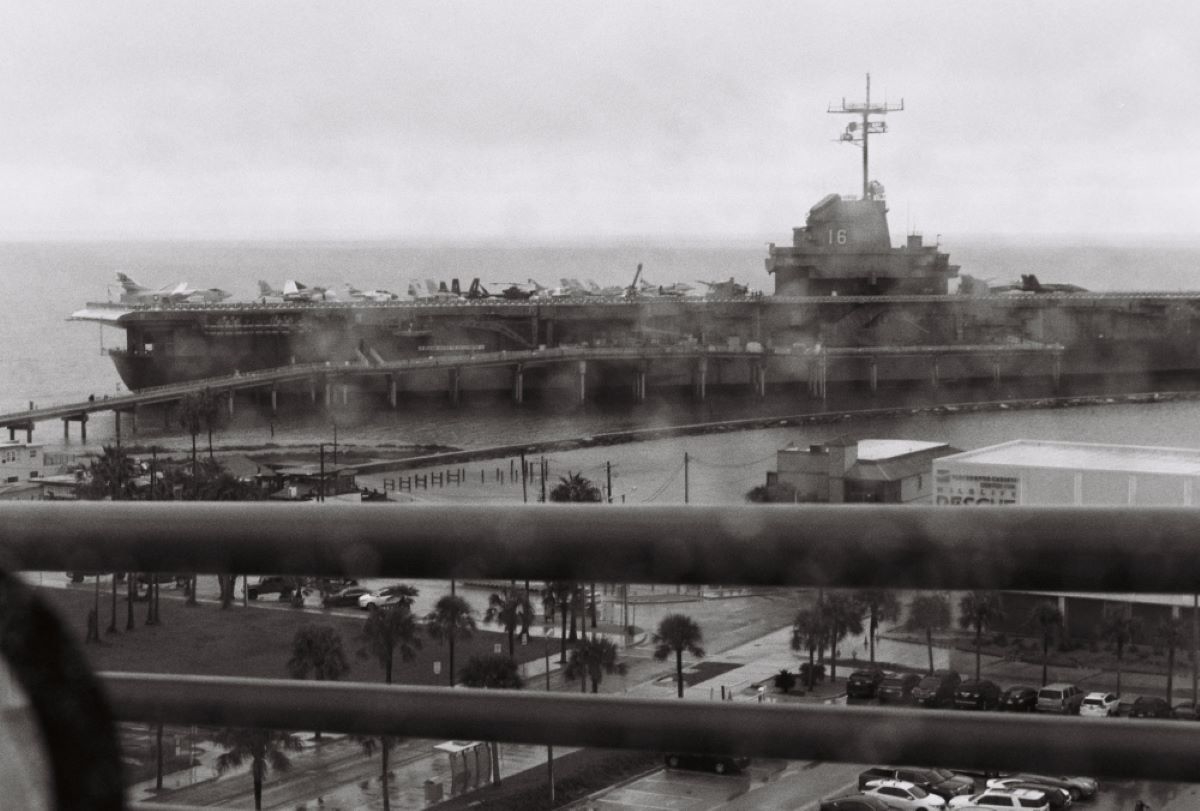
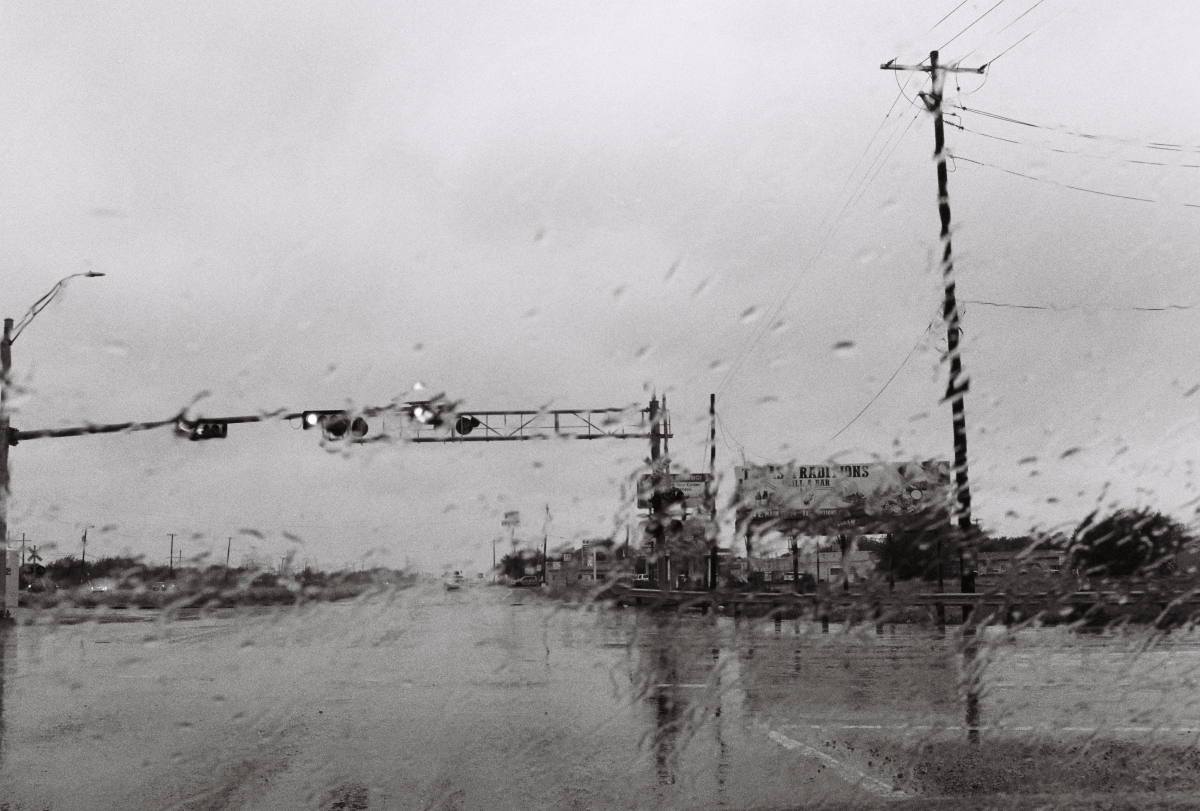
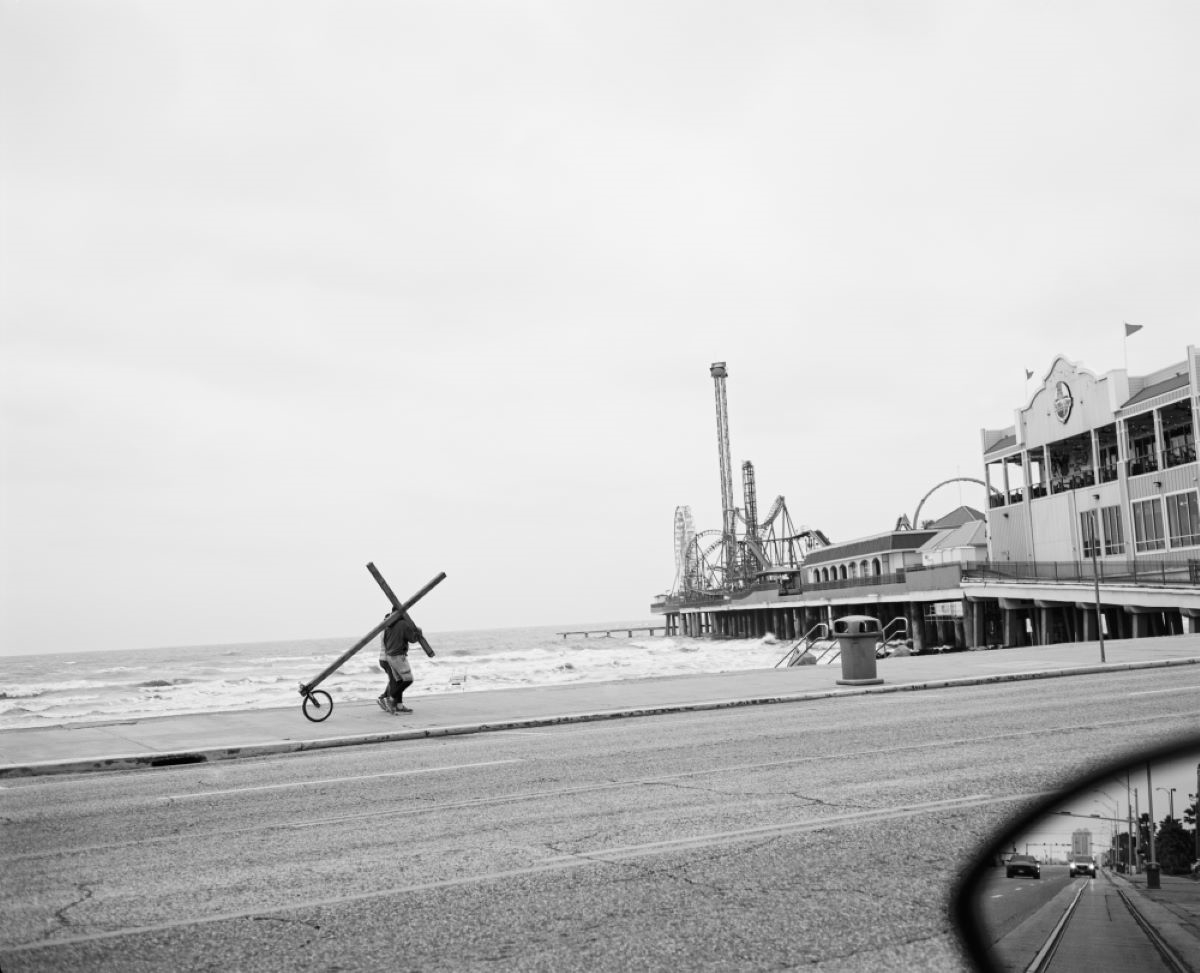
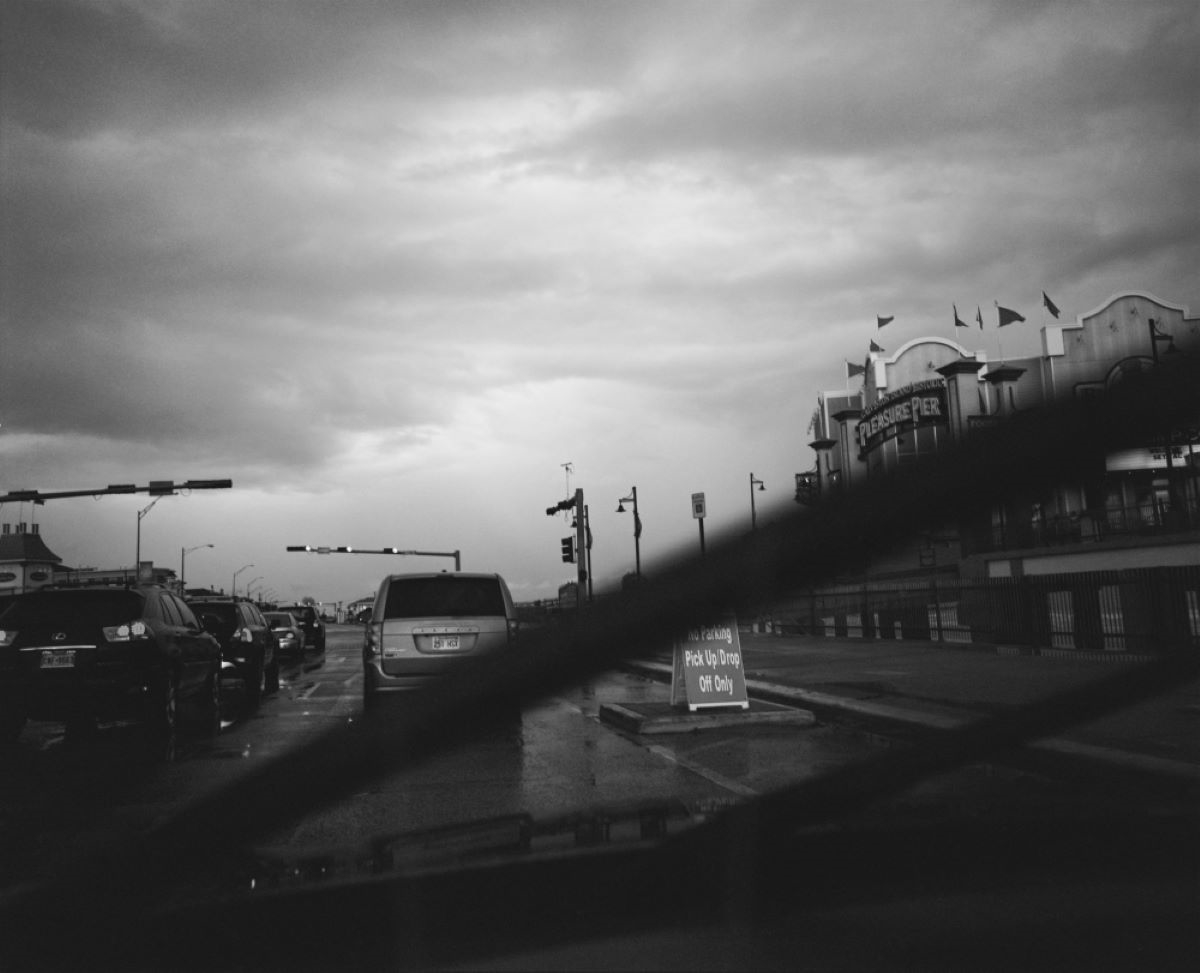
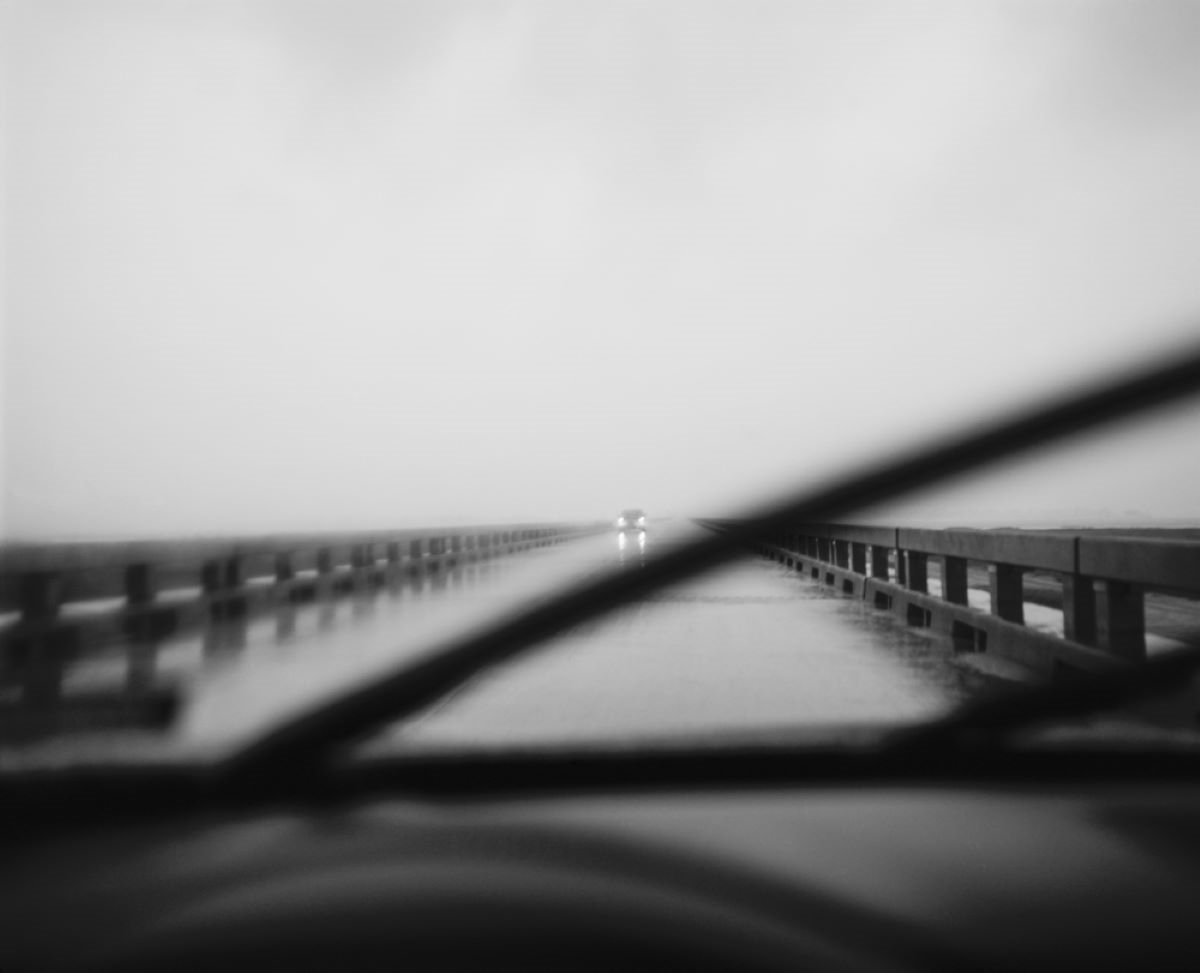
This series was created on long road trips along the Texas Gulf Coast. As cruising on endless highways is something quintessentially American, the car was my preferred means of transportation. For this series, I shot all of my photos directly from the moving car. To create an experience of authenticity, I selected an angle similar to my first impression. Which means: at the height of the car’s dashboard.
My key design principle: I discovered that my choice of motifs wasn’t so much about summer impressions, but rather about that certain morbidity, the melancholy, and the sadness that surrounds the coastal region in November.
A mood like something out of a noir film ...
Technology used …
The images were shot exclusively using analogue film and without any technical refinements, essentially ‘unplugged’. The photographic style is documentary: I shoot in full-frame format, meaning there are virtually no cropping or subsequent alterations to the original image.
All of the images in this series were shot with an analog Minolta CLE 35mm viewfinder-camera – mounted with the standard Rokkor 40mm f/2.0 lens. I photographed both on T-MAX film at 400 ASA and, in the fastest version, at 3200 ASA.
AUTHOR: JÖRG RUBBERT (Germany)
For Joerg Rubbert, born 1963 near Hamburg, street photography as a self-defined working field plays an essential role. It not only represents a large portion of his work but also defines his esthetic approach and his usage of the camera. His themes are less about the city as a developing urban organism, but rather the city as stage and action field for people who have entrusted themselves to it. People are always standing in the middle of his oeuvre: People in relation to their environment, in their social context and regarding to their city. It is about spontaneous street portraits, in which the photographed persons are represented in a positive way. The pictures shall not rate or condemn anyone but cover the scenery in a realistic manner like it appeared to the photographer in the moment he shot the picture. Thereby he tries to get as close as possible to his protagonists: With his 35 mm-camera and the standard lens he captures typical street scenes and composes the details of the picture intuitively, so as one could imagine the situation with one’s own eyes. This leads to a sense that he might envisage or anticipate those situations in his mind, before it really happens, and he may release the shutter.
One common principle is valid for all his work: For him black-and-white photography represents the ideal way to capture life in the big cities. From his point of view color photography would significantly change elements, would add new layers, and therewith dilute the essence of a picture. Until today Joerg Rubbert takes analog pictures. Thereby he always relies on the existing lighting conditions ‒ no illumination, no flash or other technical refinements. He selects standard lenses for his shots to let the framed detail appear as authentic as possible. The results are timeless pictures which show a strong interest for social themes and a deep empathy for the people. The pictures represent the humanistic direction of photography which aims to put people’s everyday life and their social context and environment in the focus of attention.
Joerg Rubbert was gallerist and member of the photographer’s union AFF (Atelier Freier Fotografen) in Berlin from 2009 to 2014. He lives and works in Berlin, Germany. His photographs were shown on exhibitions and photo-festivals at home and abroad and featured in numerous media, i.a. CNN, ZEIT, FAZ, WELT, Tagesspiegel, PHOTO International, Photo Klassik, Fotocult and the magazine PHOTOGRAPHIE.
SHARE
Support this photographer - share this work on Facebook.