TITLE: Through the streets where I get lost
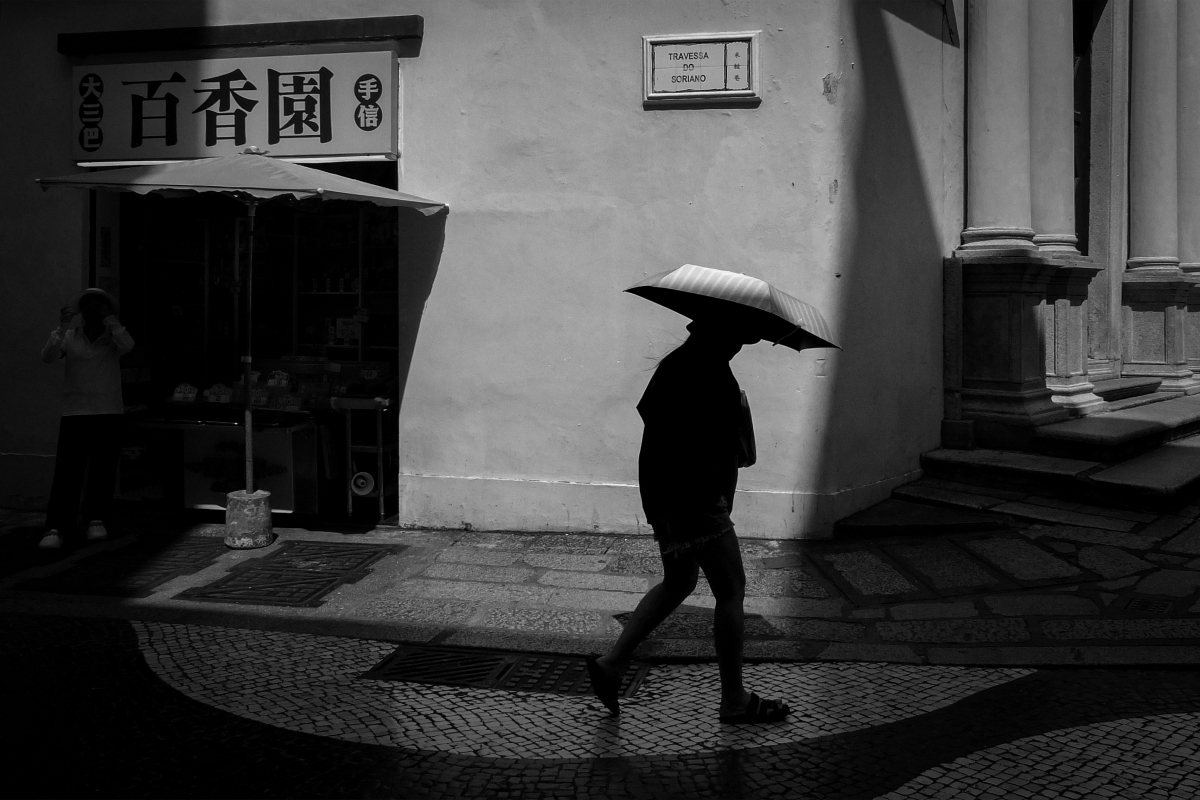
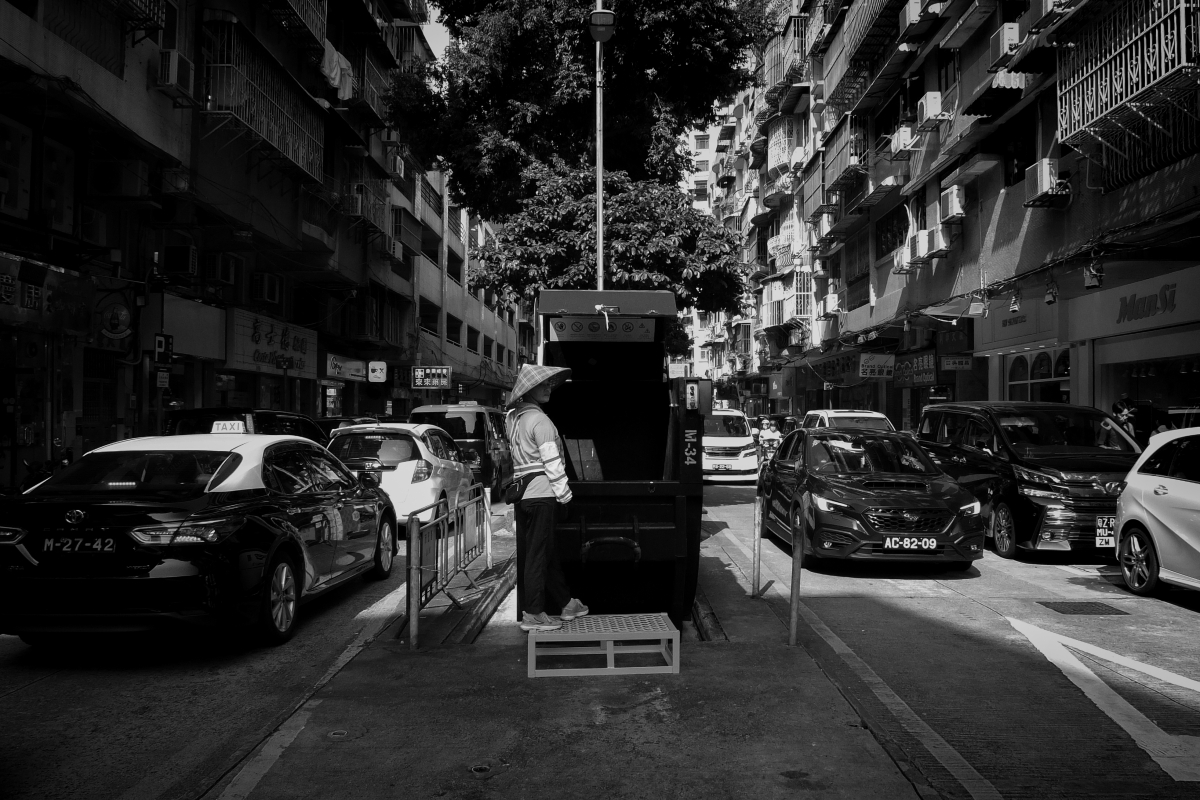
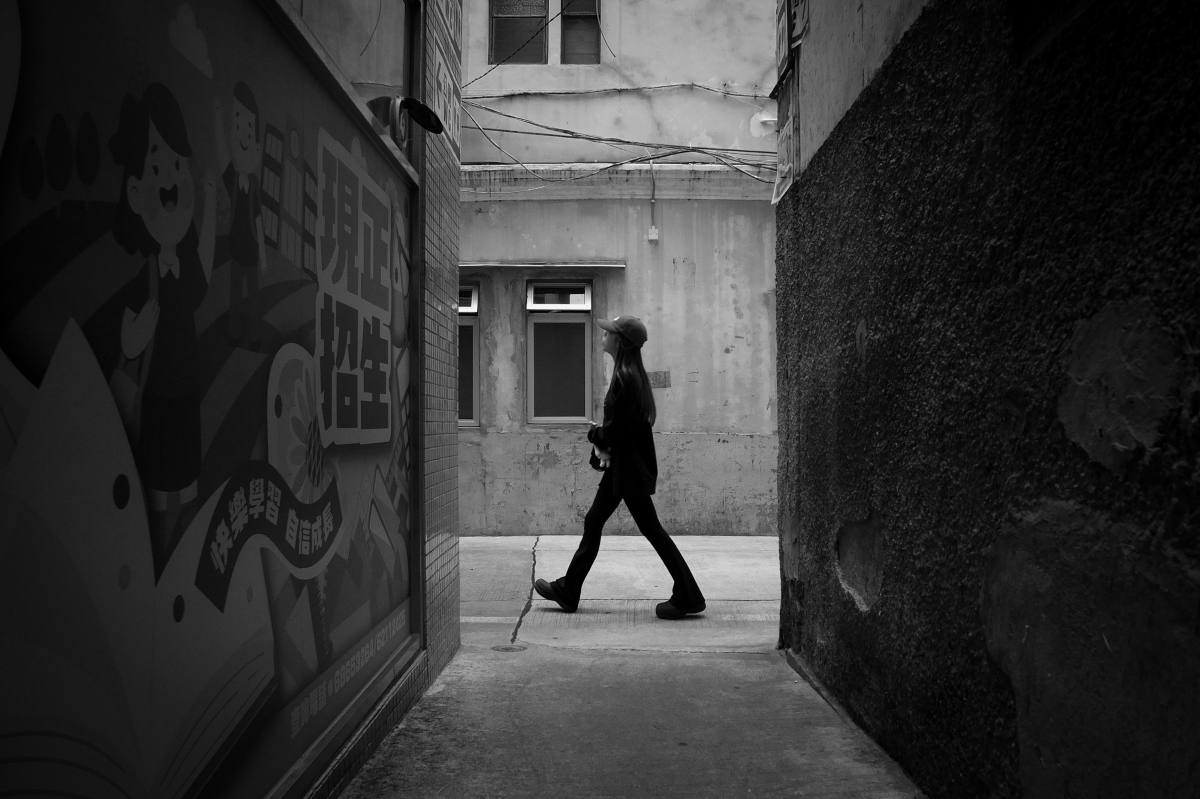
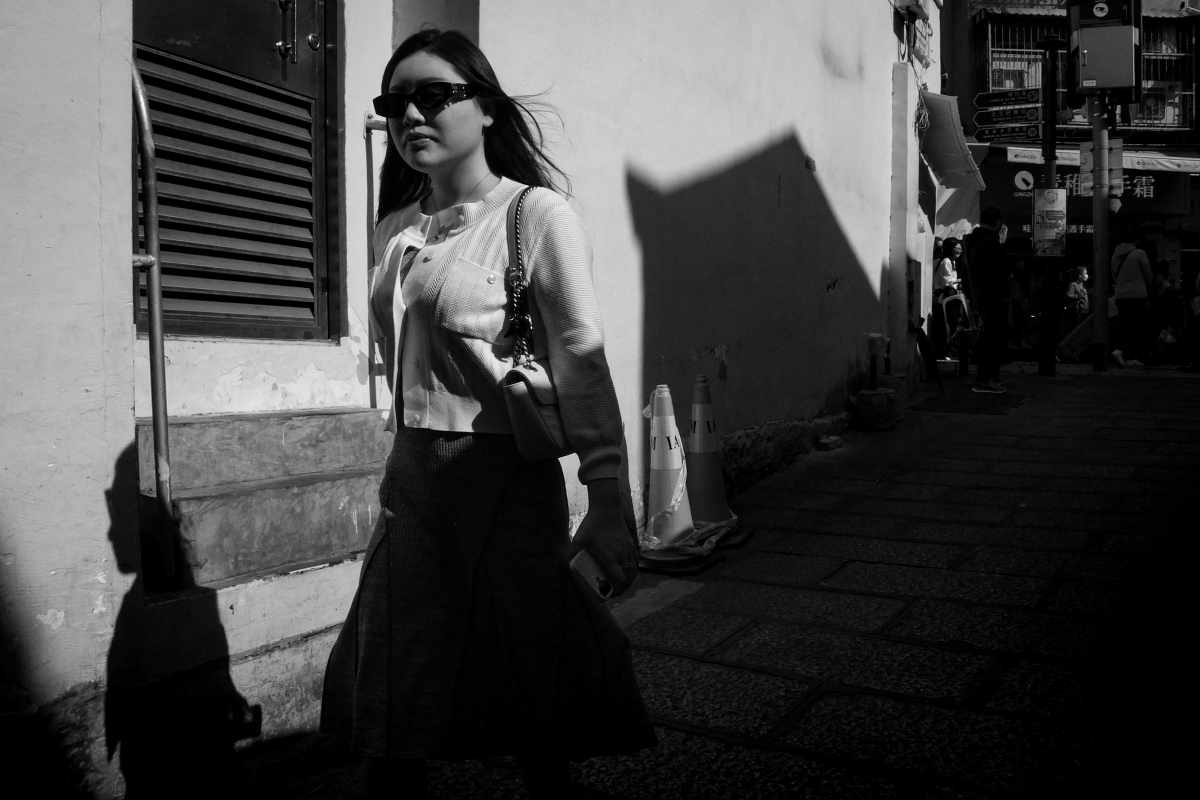
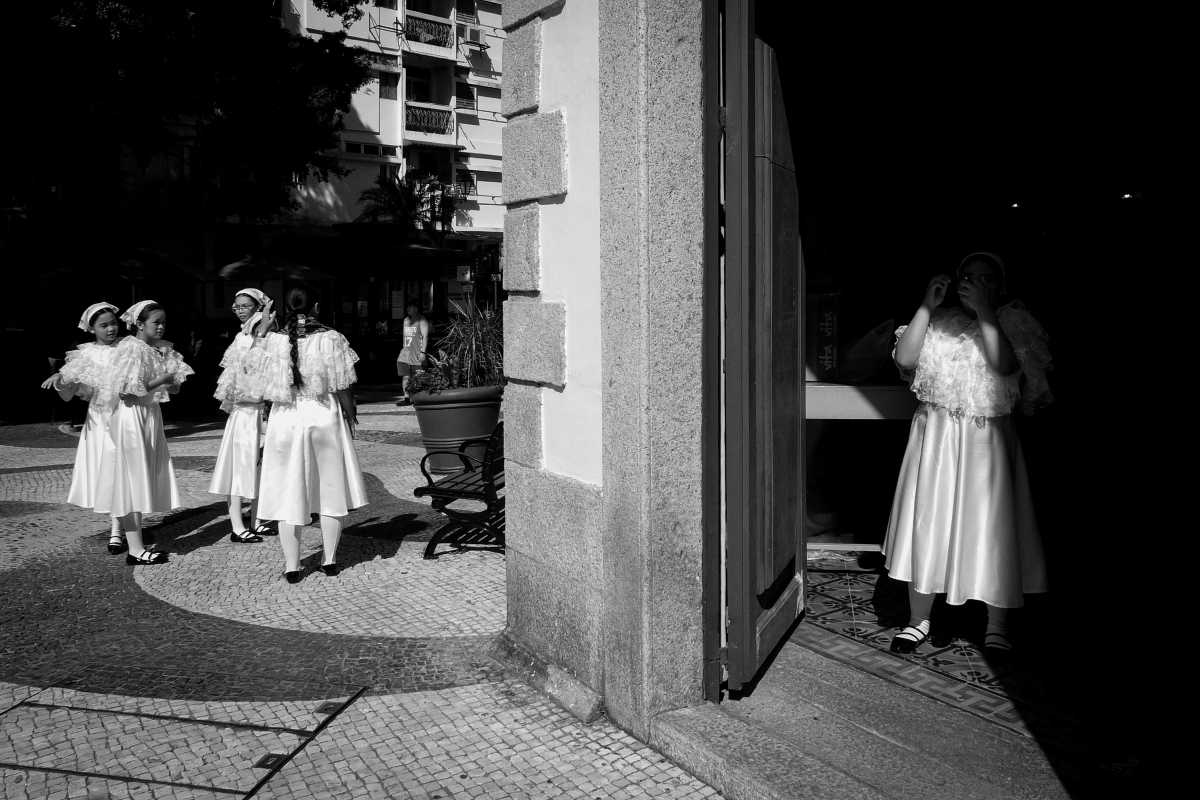
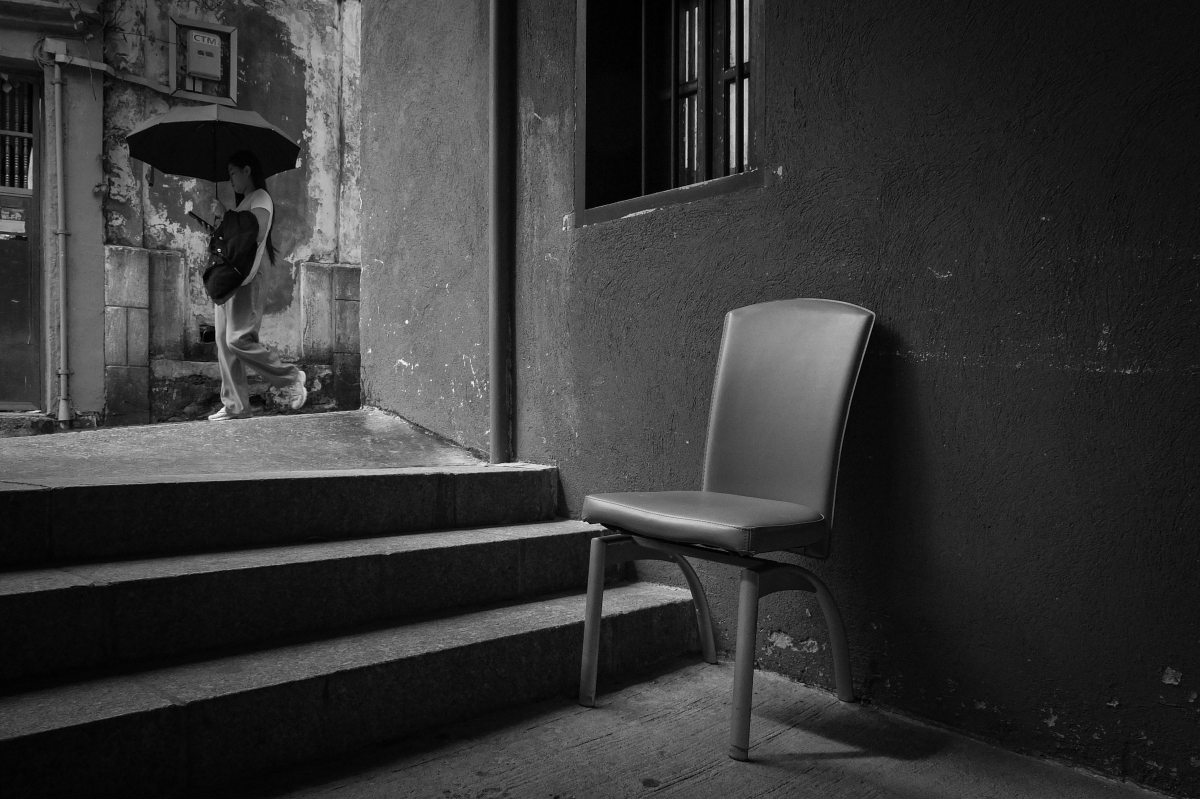
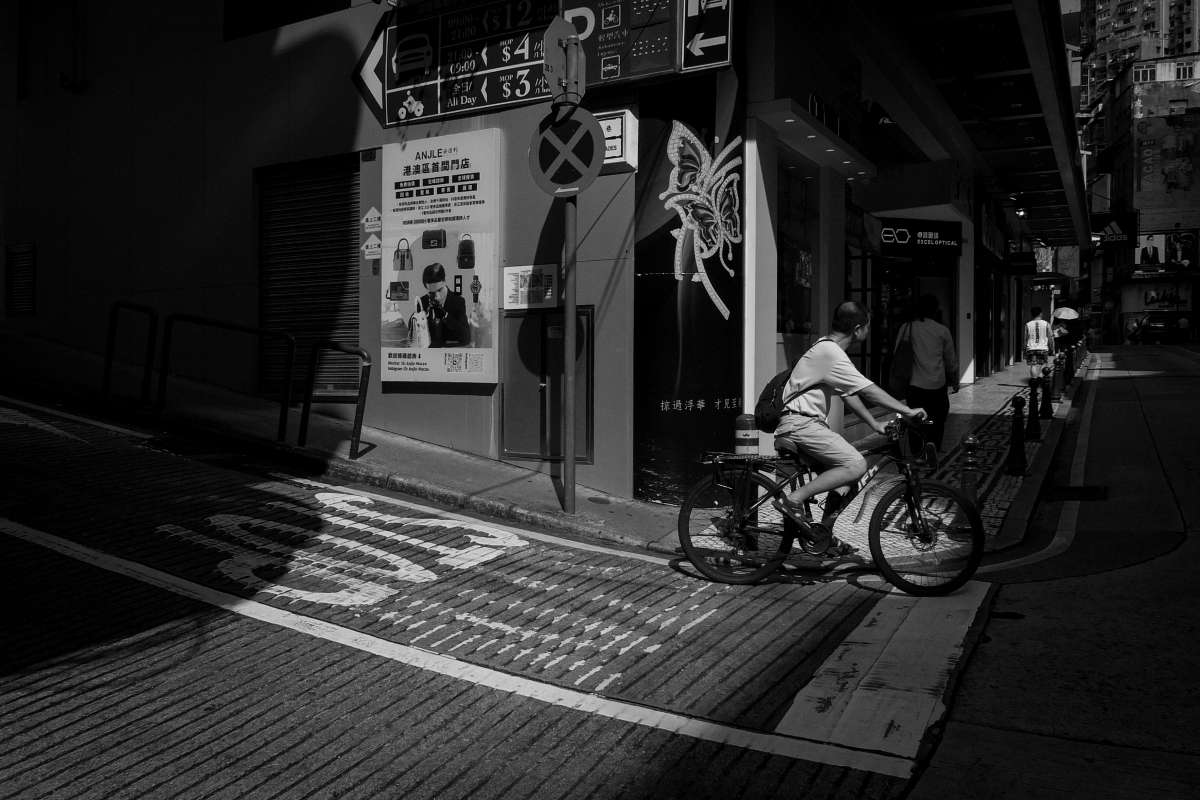
"Through the streets where I get lost" is a black-and-white street photography series that explores Macau as a space of quiet tension, layered histories, and fleeting human presence. Stripped of colour, the images invite the viewer to focus on form, light, shadow, and gesture, revealing a city that exists between movement and pause. Macau emerges not as a postcard destination, but as a lived urban landscape shaped by routines, contradictions, and silent encounters.
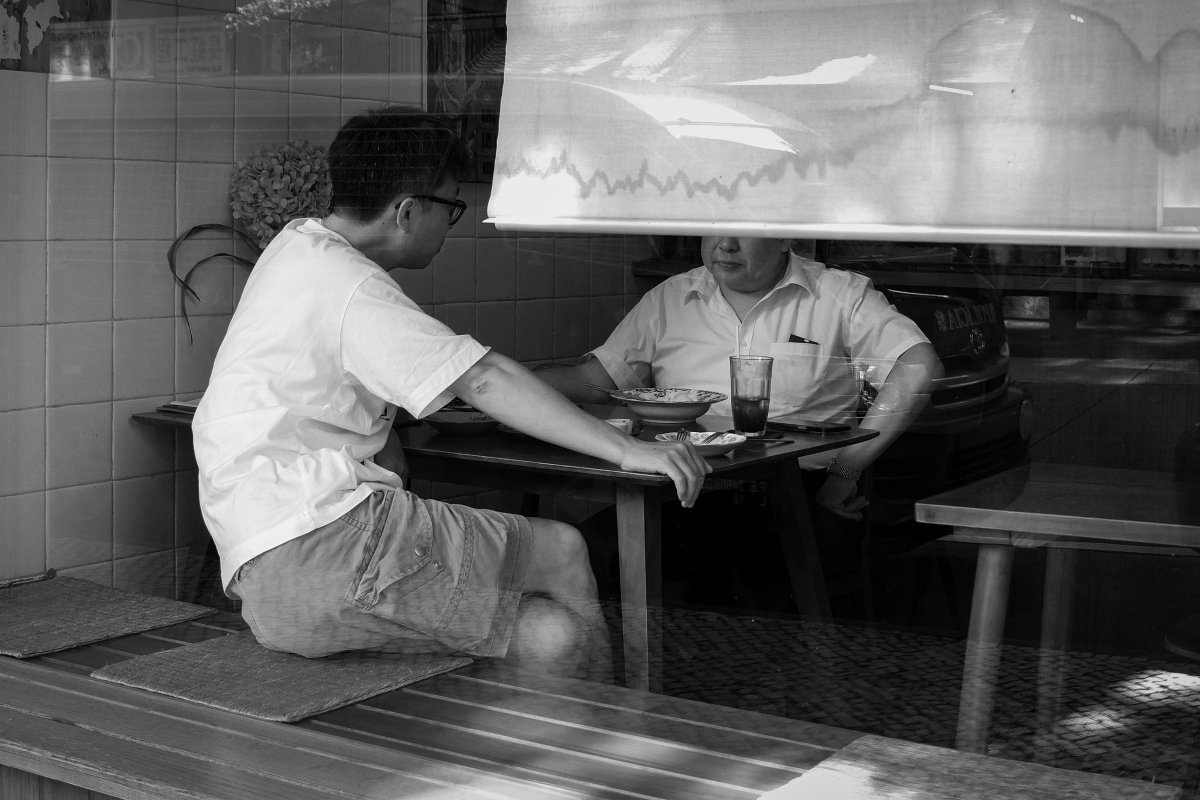
The series observes everyday moments: pedestrians crossing narrow streets, figures framed by ageing façades, reflections on shop windows, and fragments of bodies caught mid-step. These scenes are not staged; they are discovered. The monochrome palette amplifies textures—cracked walls, worn pavements, metal shutters—and transforms ordinary spaces into visual verses. Each photograph functions like a short poem, concise yet open-ended, leaving space for interpretation.
"Through the streets where I get lost" pays particular attention to distance and proximity. Subjects are often partially obscured, turned away, or absorbed in their own trajectories, reinforcing a sense of anonymity that defines urban life. At the same time, subtle details—a glance, a hand gesture, a shadow stretching across the frame—suggest intimacy within the crowd. The camera becomes a quiet observer, respectful and patient, capturing moments that might otherwise disappear unnoticed.
Macau’s unique urban fabric is central to the series. The coexistence of old and new, tradition and modernity, density and emptiness, is rendered through strong contrasts of light and shadow. Colonial-era architecture, high-rise buildings, alleyways, and commercial streets coexist within the same visual rhythm, reflecting the city’s layered identity.
Rather than offering clear narratives, "Through the streets where I get lost" invites contemplation. The absence of colour removes temporal markers, allowing the images to exist outside a specific moment, while grounding them firmly in place.
AUTHOR: Gonçalo Lobo Pinheiro (Macao)
SHARE
Support this photographer - share this work on Facebook.