TITLE: When the rainbows been gone
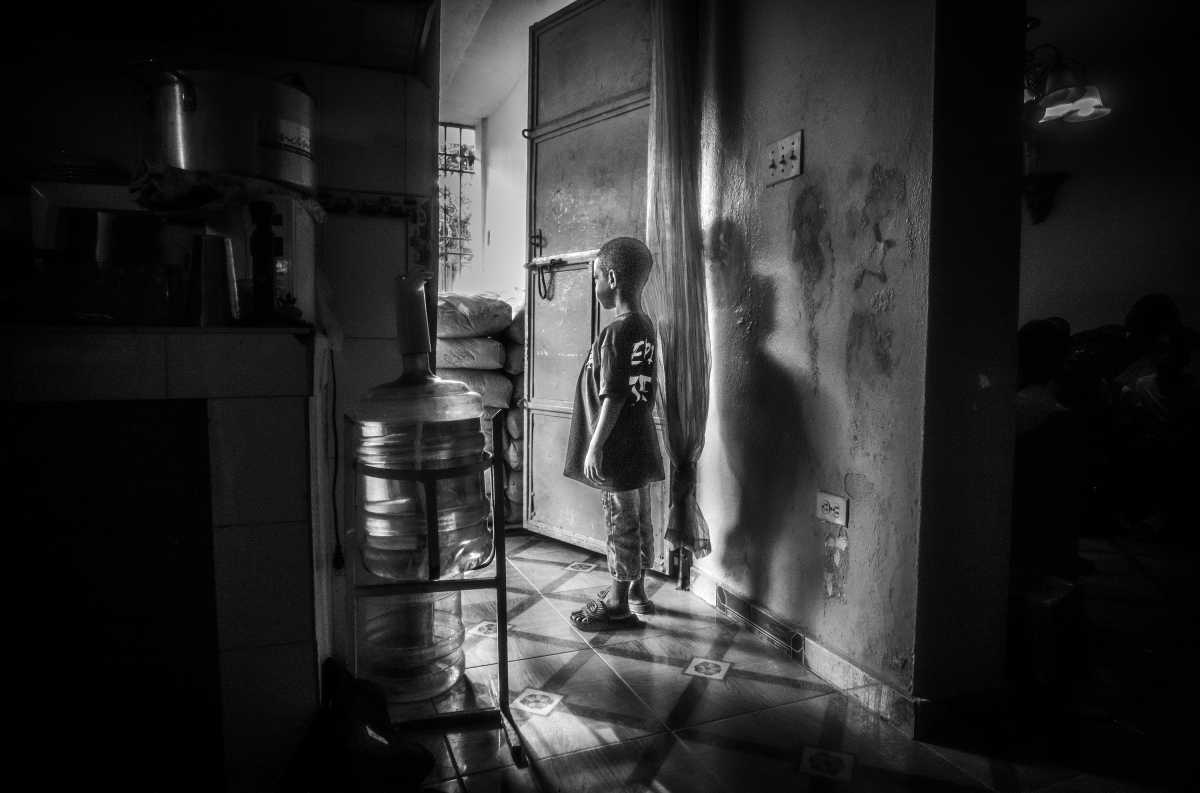
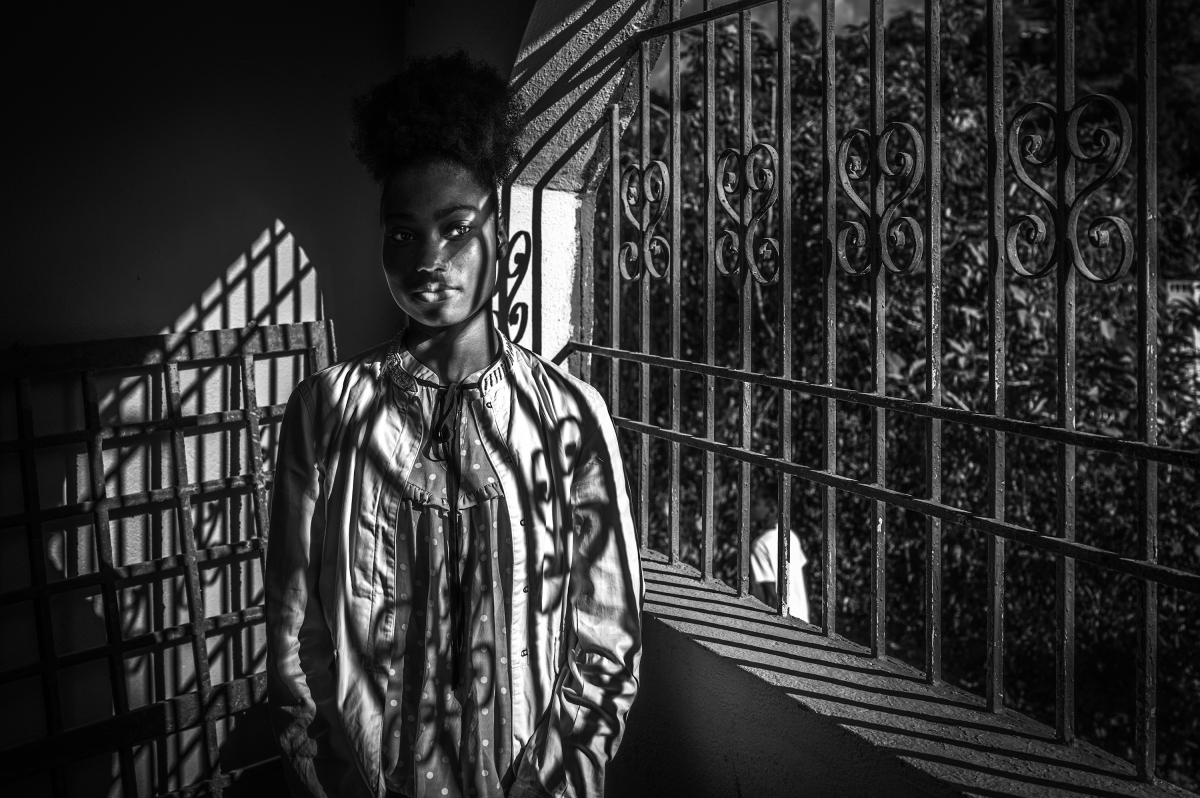
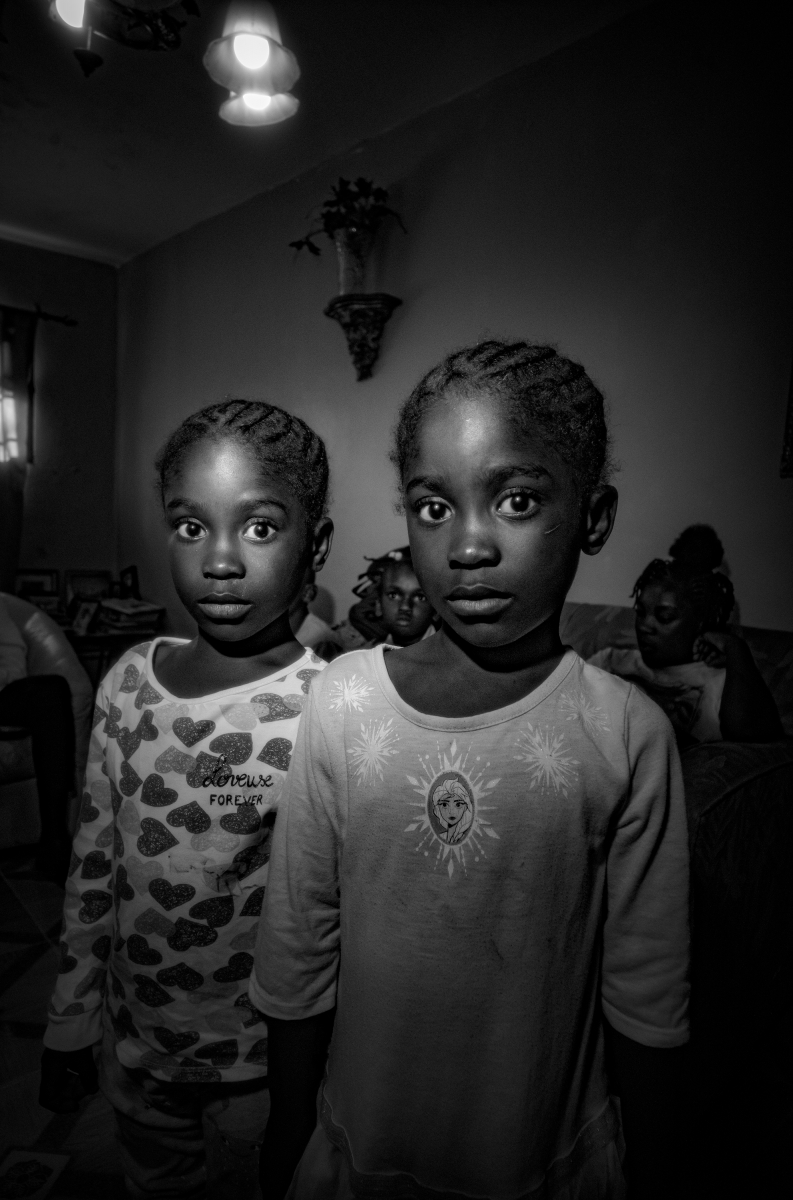
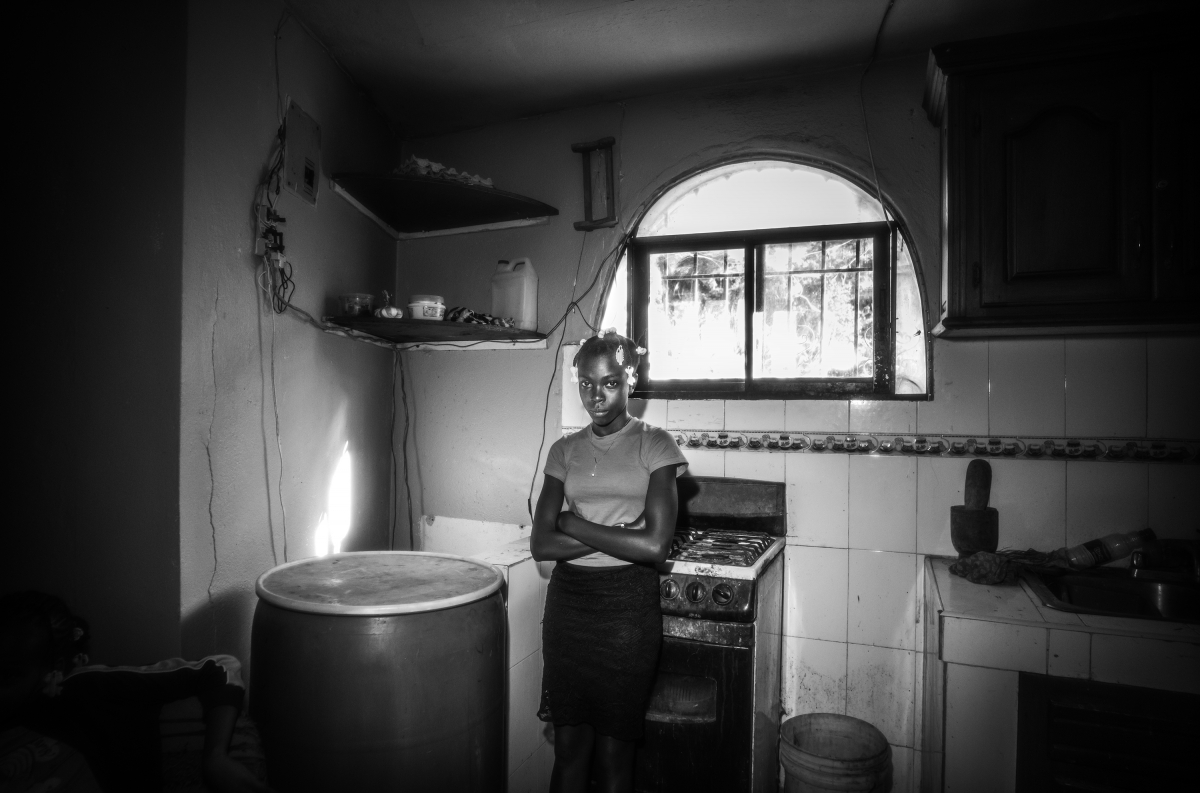
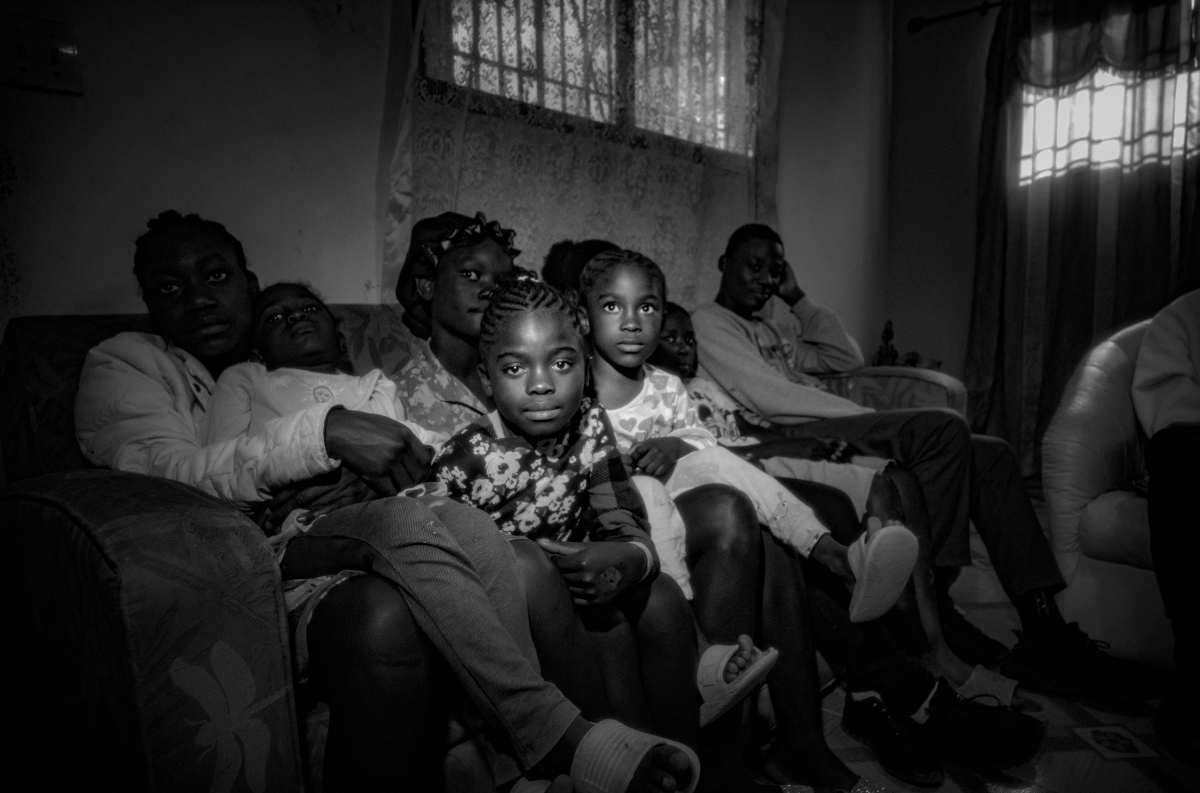
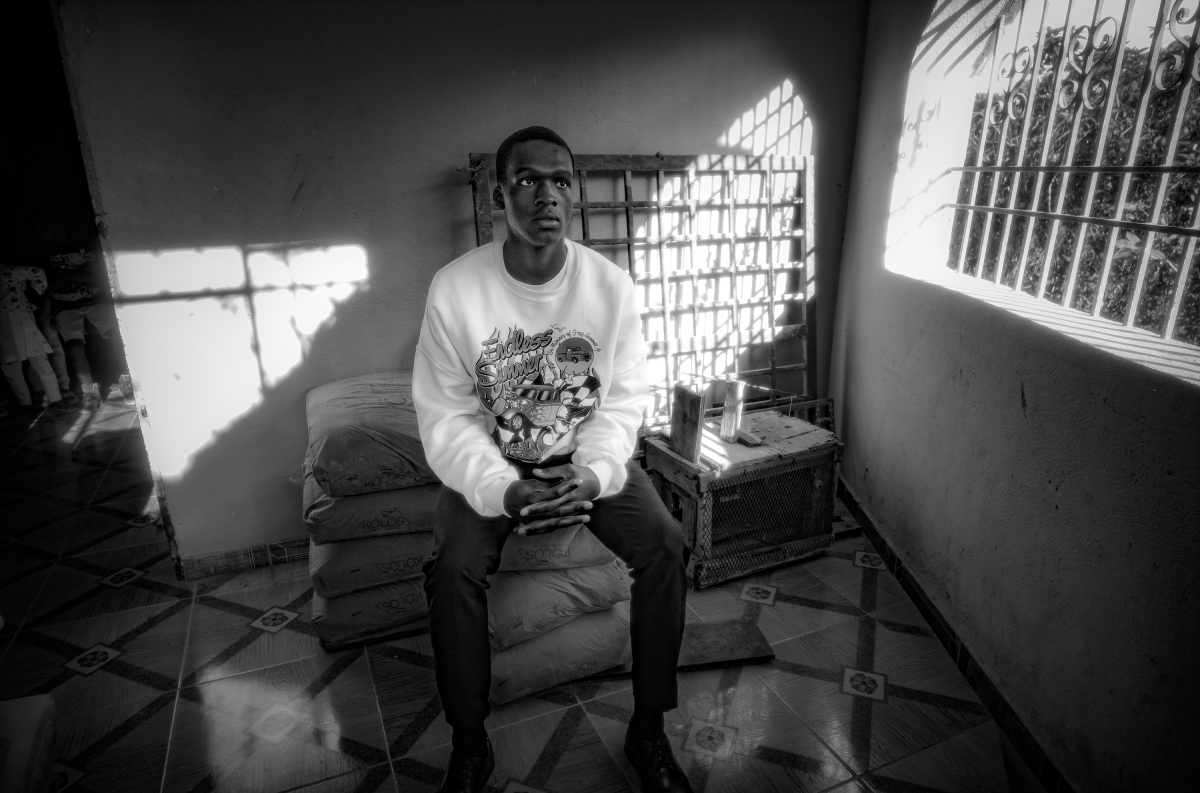
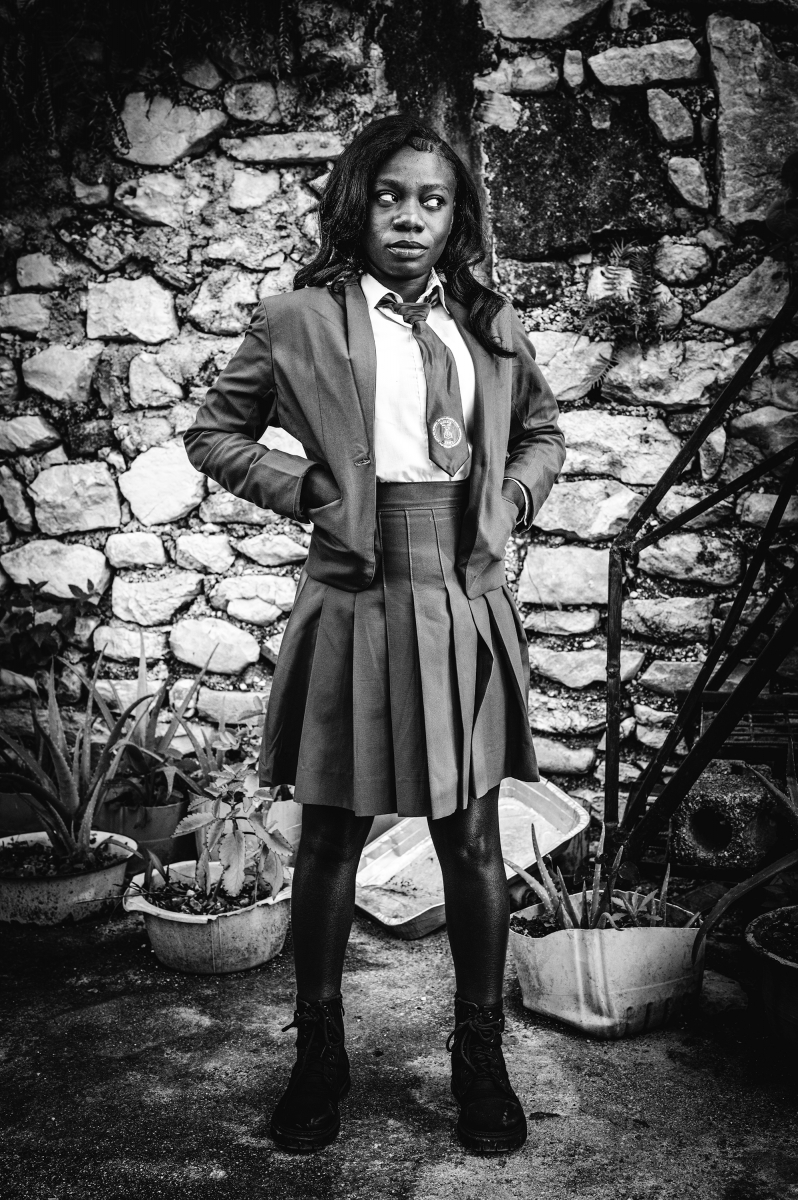
They grow up sleeping on the floor, sweep the yard, fetch heavy buckets of water, empty their masters' chamber pot, go to the market, bath the children. They perform whatever services the overseers require under a constant menace of physical and verbal abuse. The children are beaten daily, are viewed as objects for sexual exploitation. These are the restavèks, one who stays with. These Haitian child slaves won’t look you in the eyes and are ashamed to talk. They were turned over by their parents starting at age 5 to middle-class families often out of desperation to ensure their kids will survive and in exchange for providing schooling. Neither the child’s nor the parents’ hopes are usually fulfilled. And rarely are the parents paid. But when they are permitted going to school there is provided something important for them. There, no one teases them about being restavèks. There, for a few moments, they are children, not animals. That culturally accepted practice of child trafficking in Haiti flourishes even more amidst the ongoing rampant gang warfare devastating the country.
AUTHOR: Philipp Schmieja (Germany)
Self-taught photographer and passionate traveler. I discovered my passion for photography during traveling African countries. I had developed a fascination for tribes. This has been underpinned by my passion for photography. Tribal people are those who have unique customs. They often have a symbiotic bond with the environments in which they live. I am using photography as a medium to capture candid moments as well as community spirit and portraits. And in that moment, through my lens, I am seeking to portray the soul of the places by blending intimate people photography with striking imagery of cultural heritage.
SHARE
Support this photographer - share this work on Facebook.