TITLE: State in trance
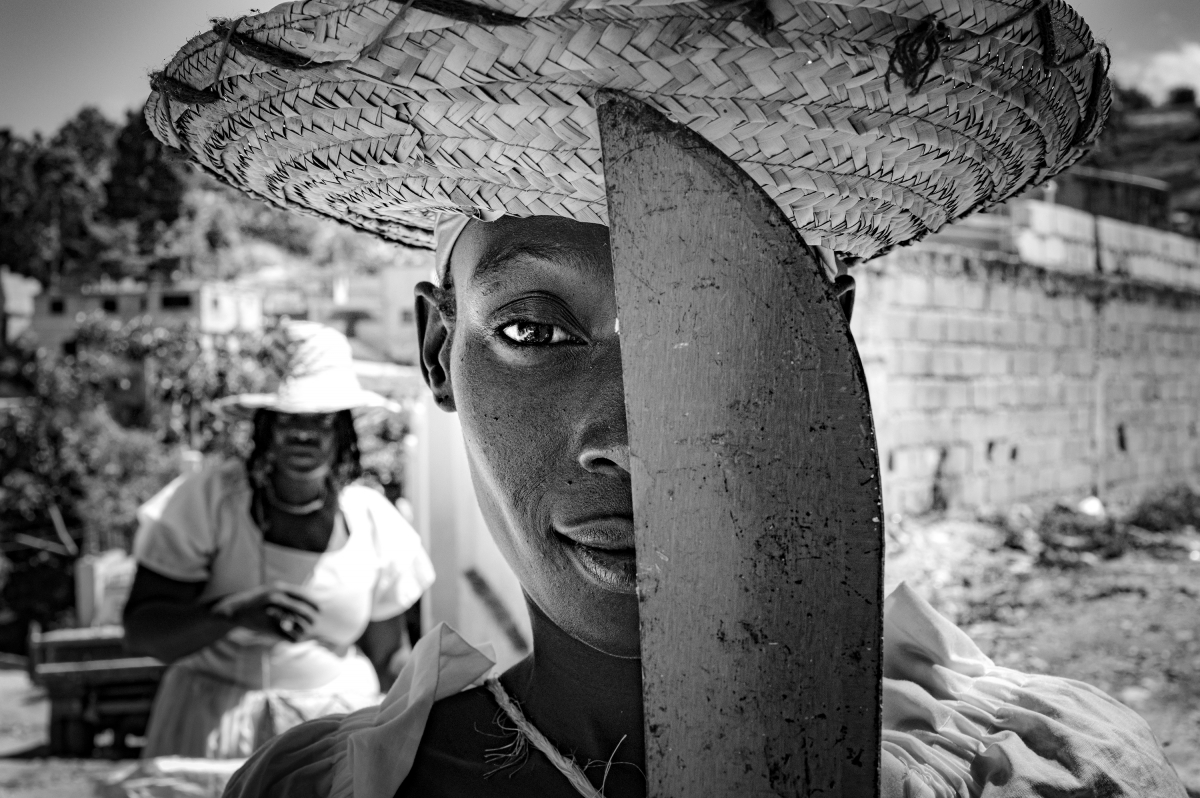
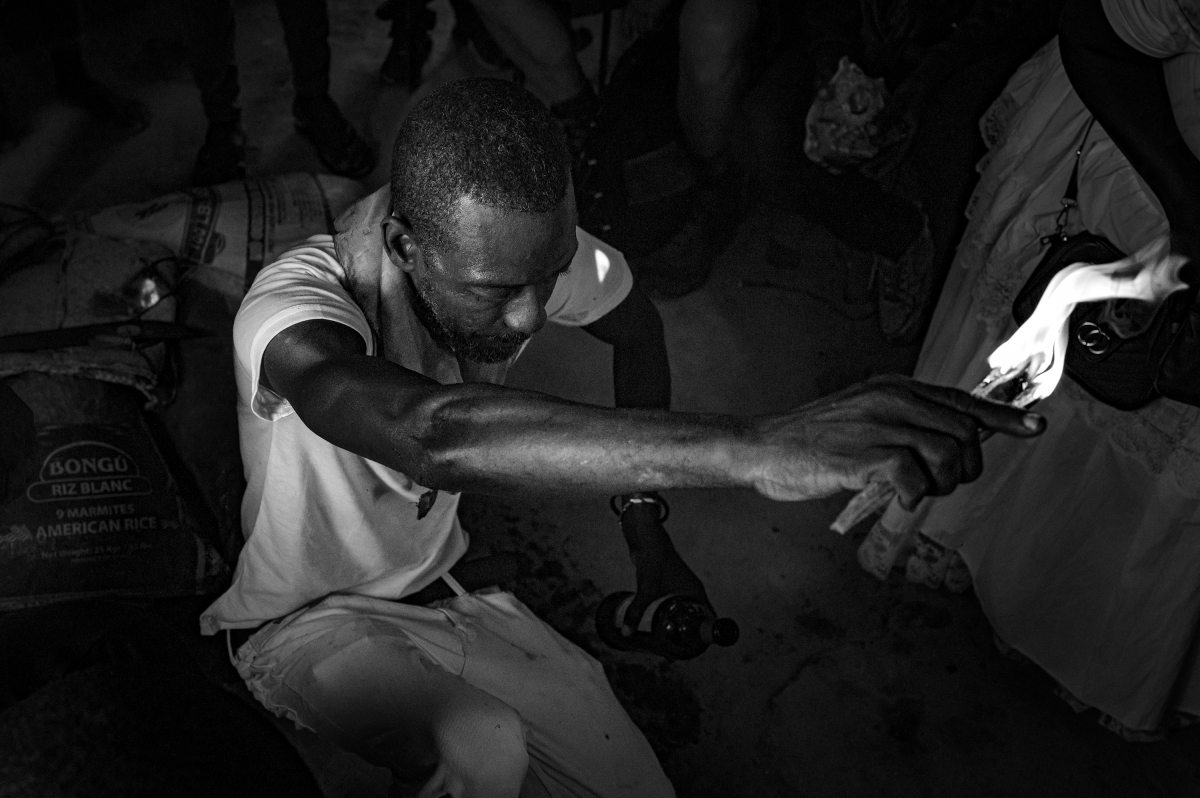
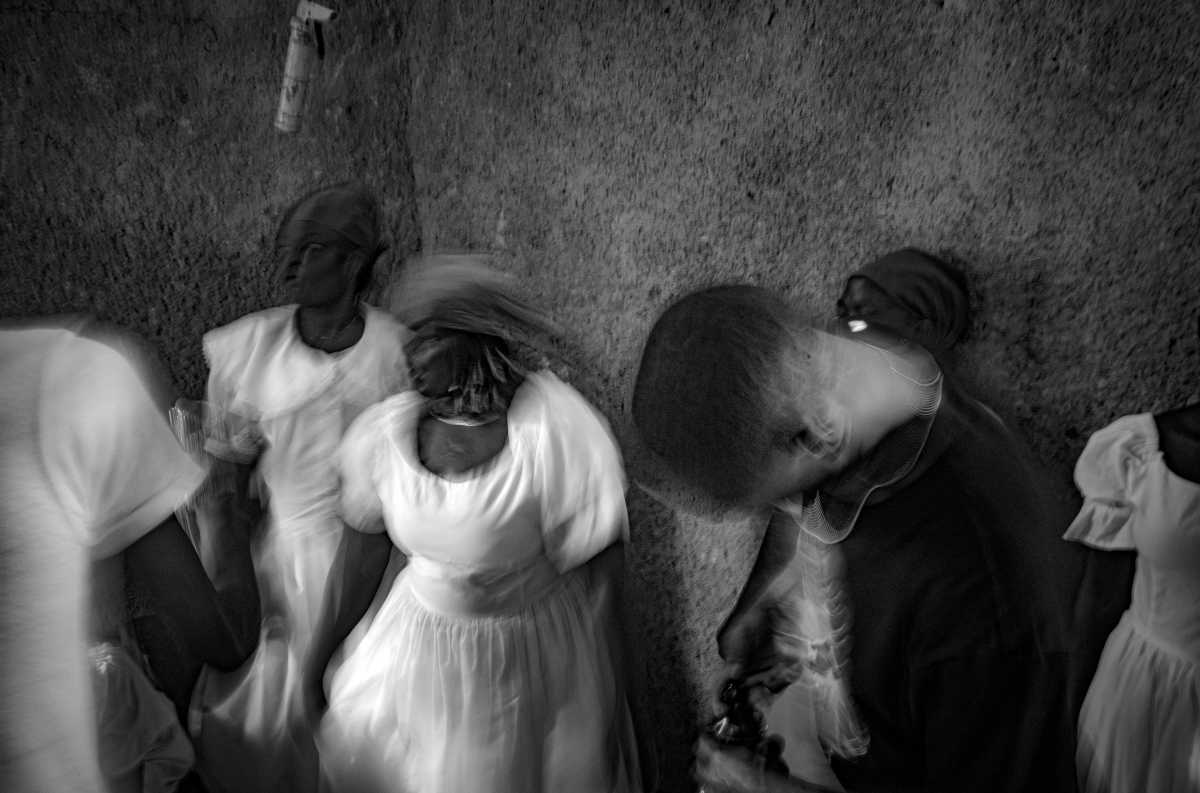
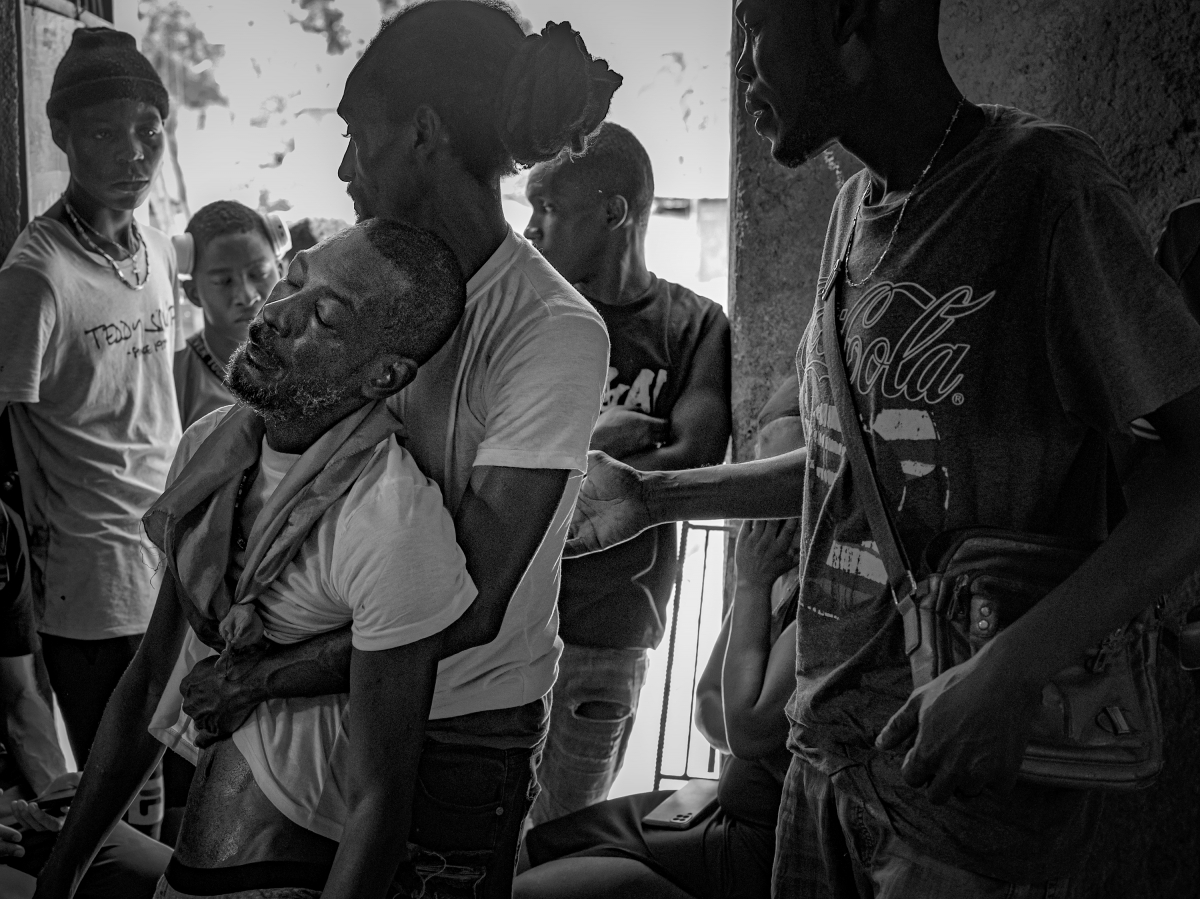
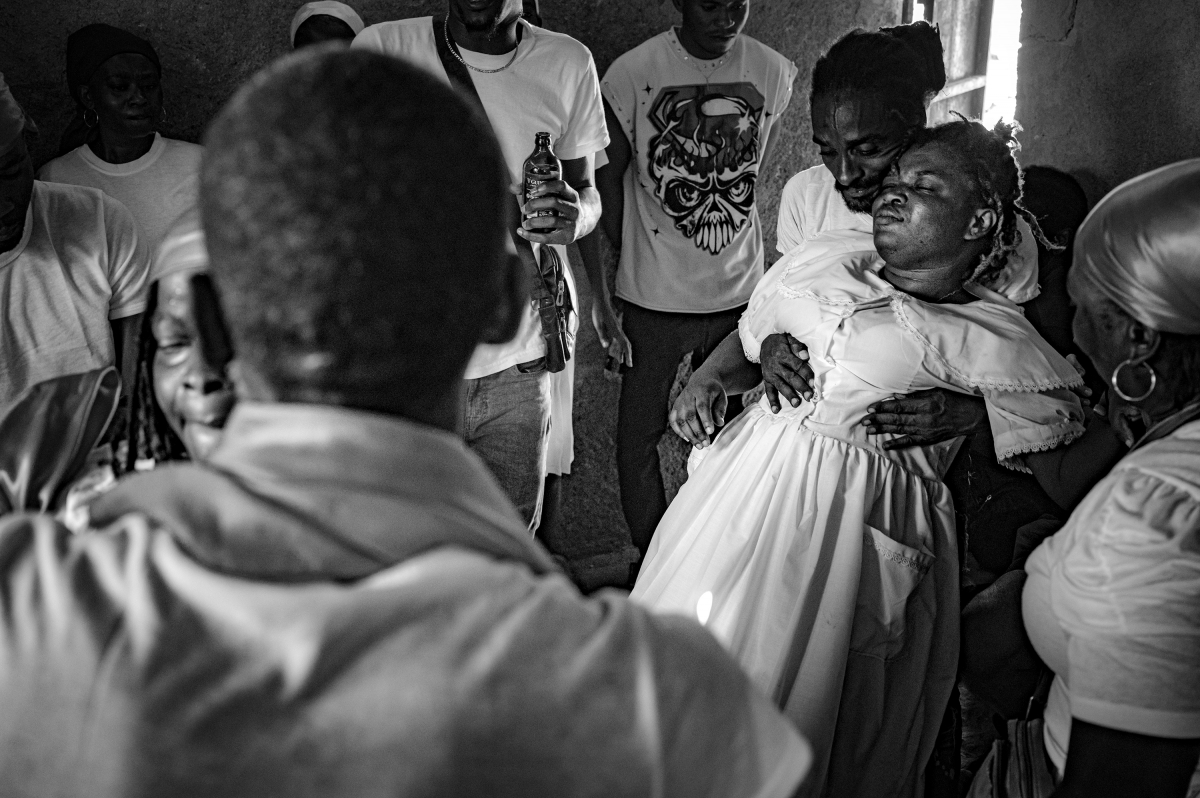
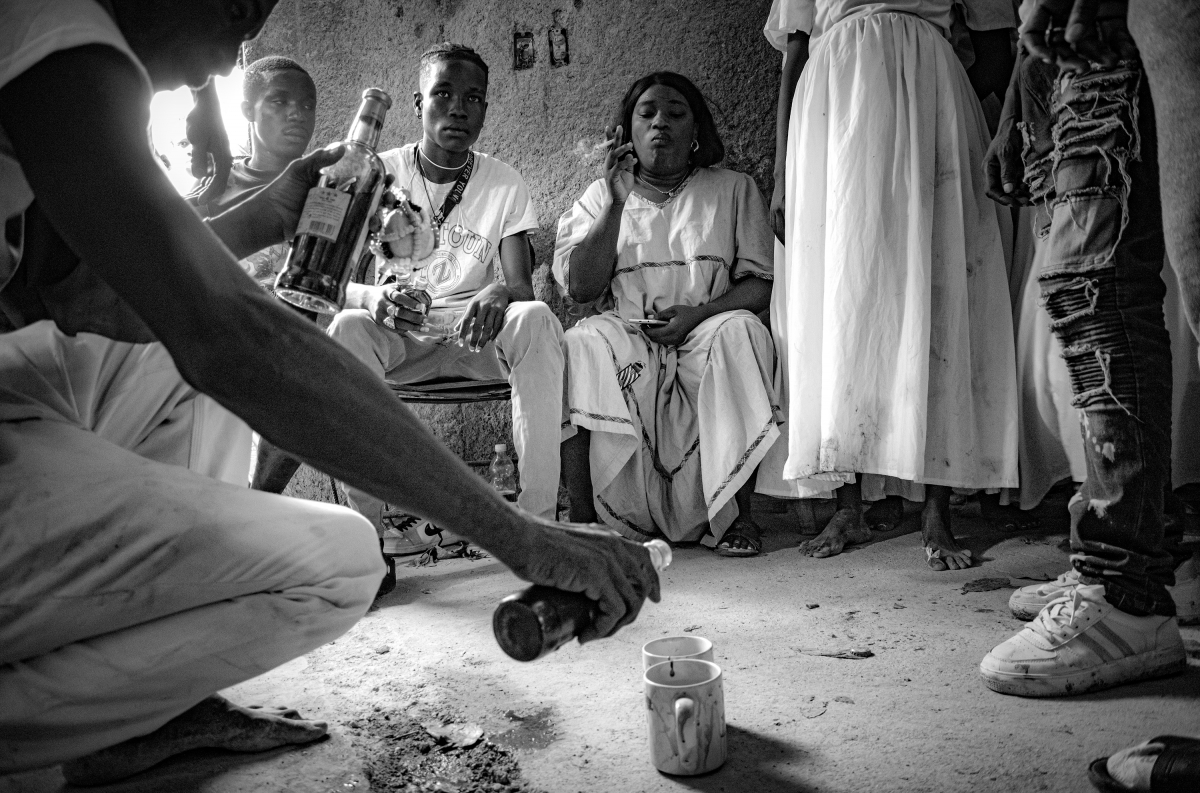
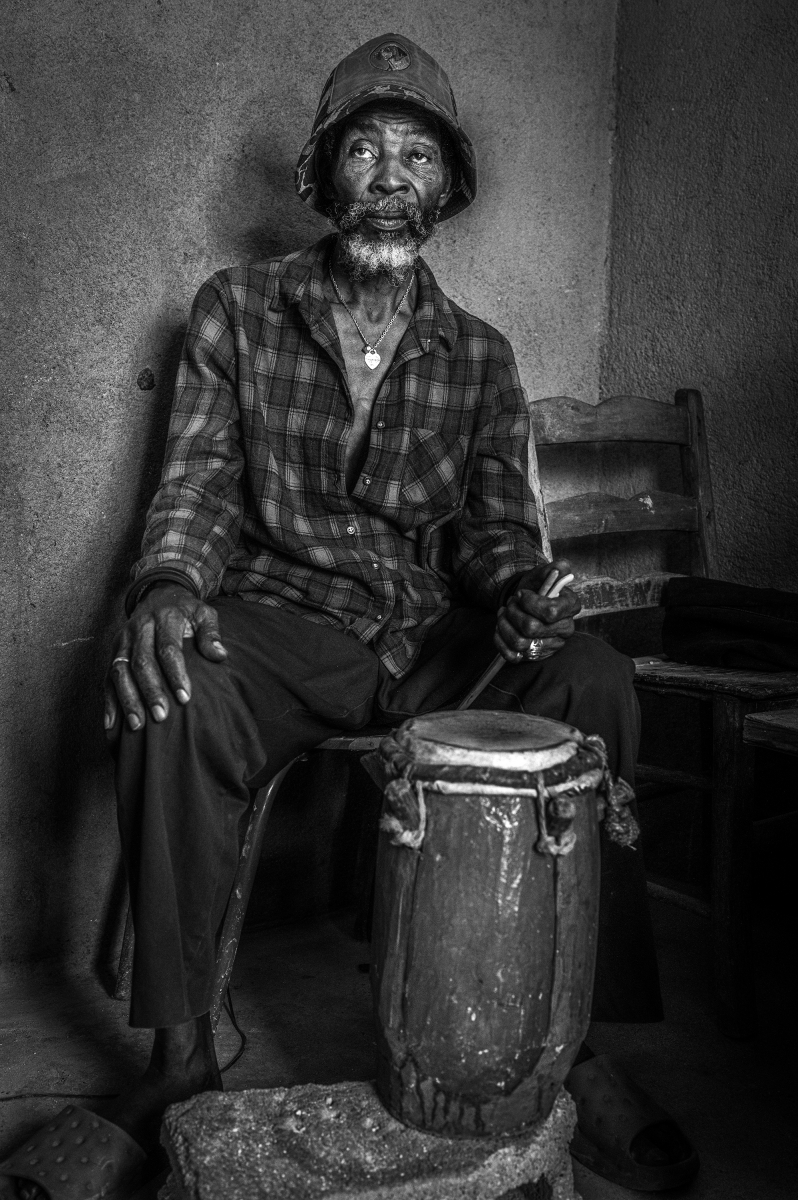
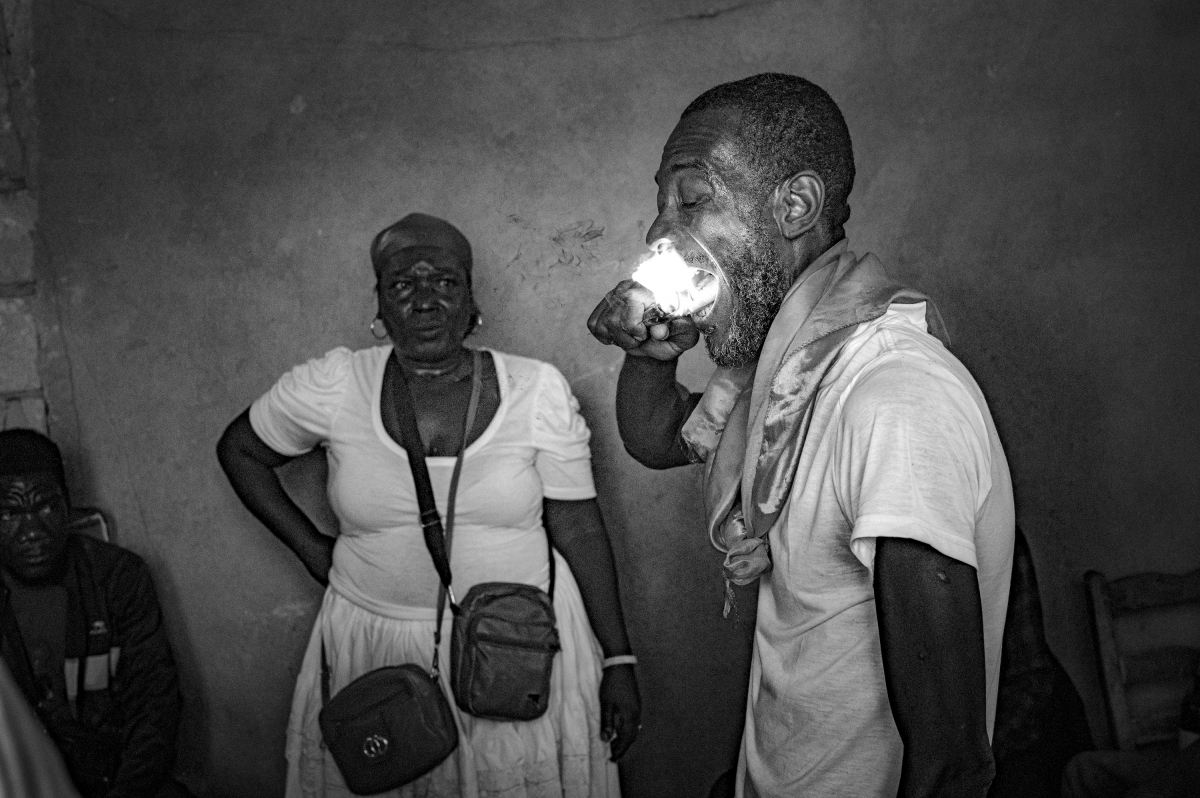
Thousands of Haitians have fled their homes in Port-au-Prince, where violence is a frequent. Neither the government nor the Kenyan-led police mission has been able to end the attacks. But the people don't give up their Vodou practices. In 2003, Vodou has been formally recognized as an official religion that once served as a form of resistance against the French colonial empire And even the gangs fear it and massacre Vodou practitioners accusing them of witchcraft. Often misunderstood, Vodou is far more than the stereotypes of black magic. In reality, it fosters community, provides moral guidance, and serves as a source of strength. The ceremony begins with a Roman Catholic prayer. Then the drummers begin to play. The attendees begin to dance, moving faster and harder with the rising pulse of the beat. One woman falls to the ground, convulsing for a moment before she is helped back to her feet. She resumes the dance, moving differently now, and continues dancing for hours. It is perhaps no longer she who is dancing: She is in a trance. In a country that has been facing gang violence and natural disasters, Vodou has provided a sense of cultural identity and resilience. It fosters a sense of mutual support, helping people to navigate the challenges of daily life.
AUTHOR: Philipp Schmieja (Germany)
Self-taught photographer and passionate traveler. I discovered my passion for photography during traveling African countries. I had developed a fascination for tribes. This has been underpinned by my passion for photography. Tribal people are those who have unique customs. They often have a symbiotic bond with the environments in which they live. I am using photography as a medium to capture candid moments as well as community spirit and portraits. And in that moment, through my lens, I am seeking to portray the soul of the places by blending intimate people photography with striking imagery of cultural heritage.
SHARE
Support this photographer - share this work on Facebook.