TITLE: The Aesthetics of Climate Change
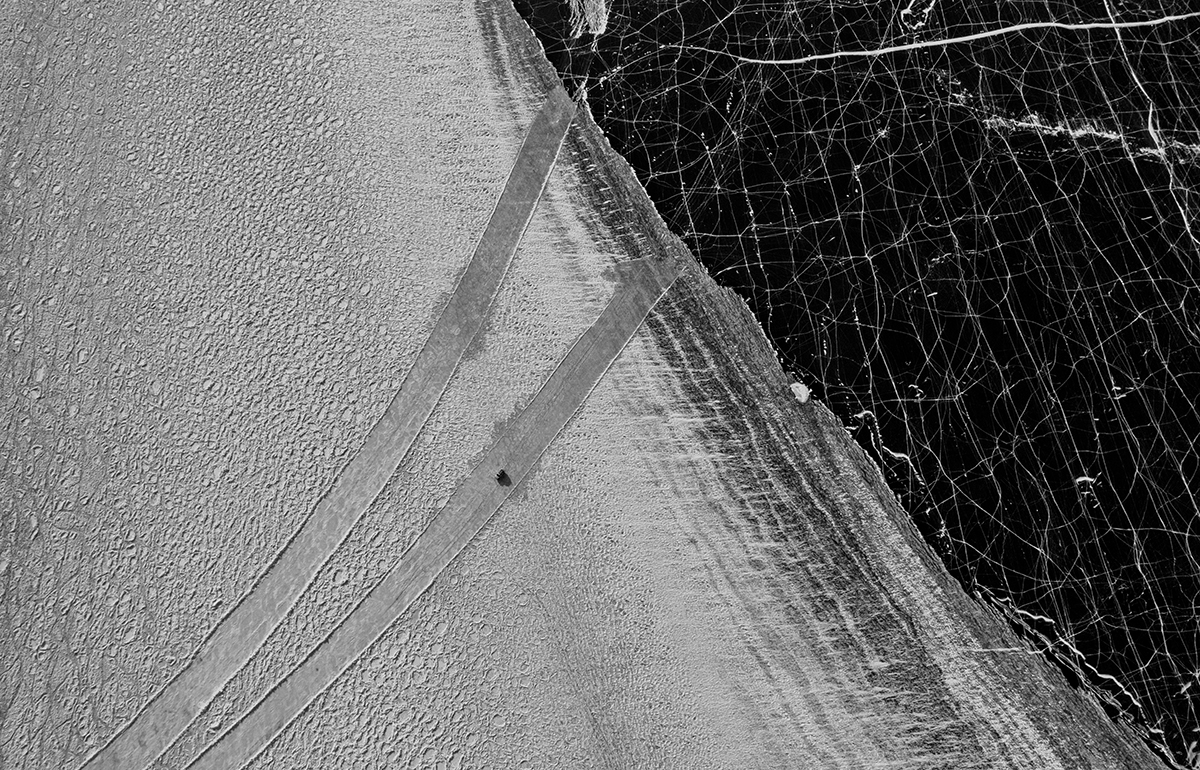
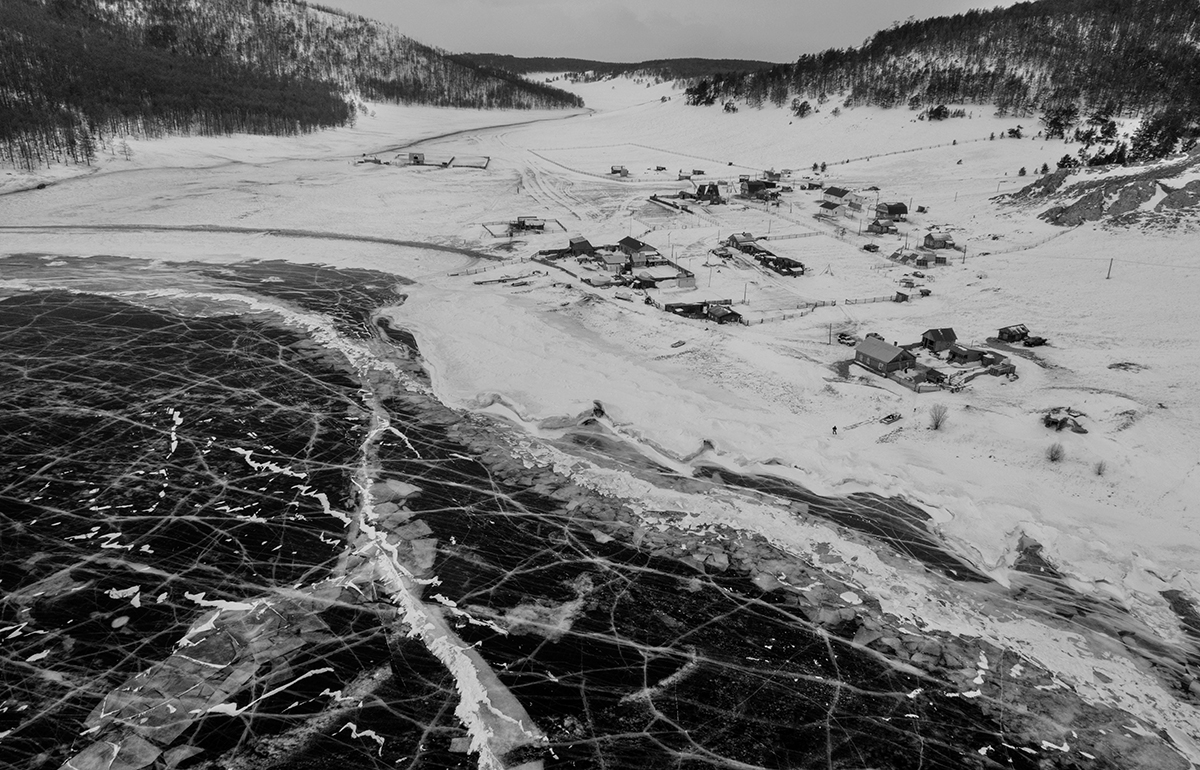
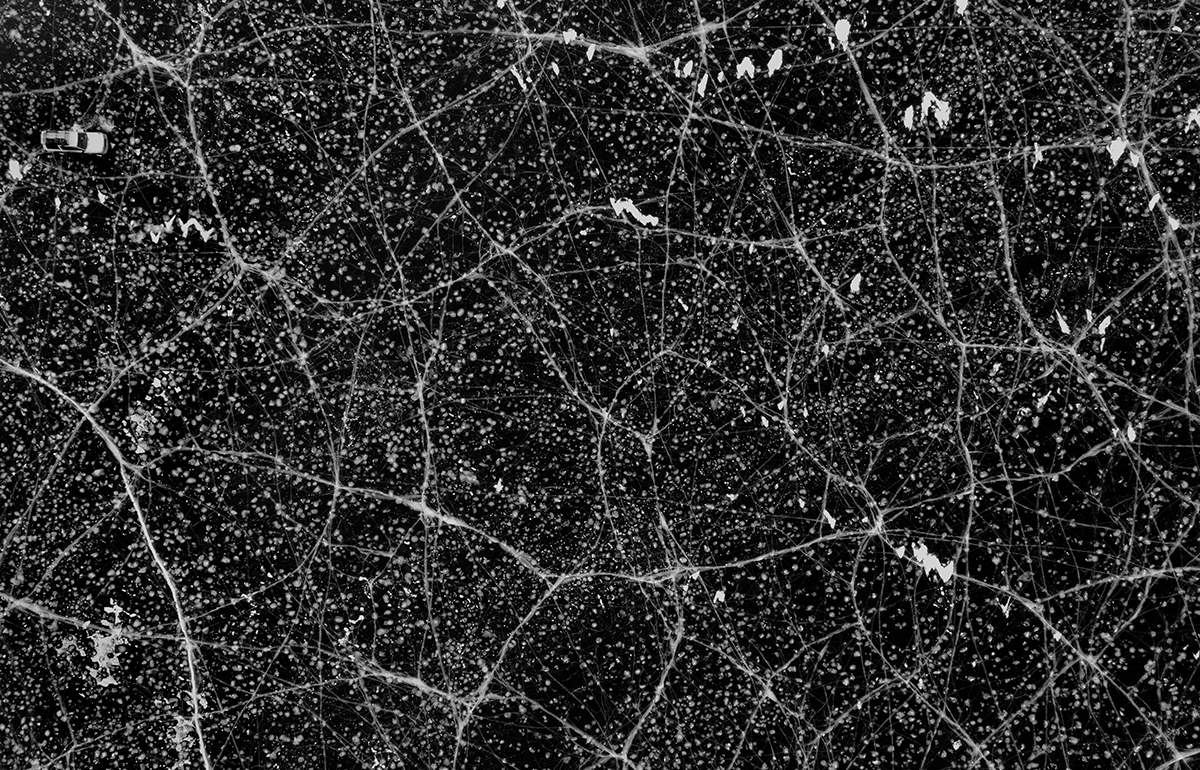
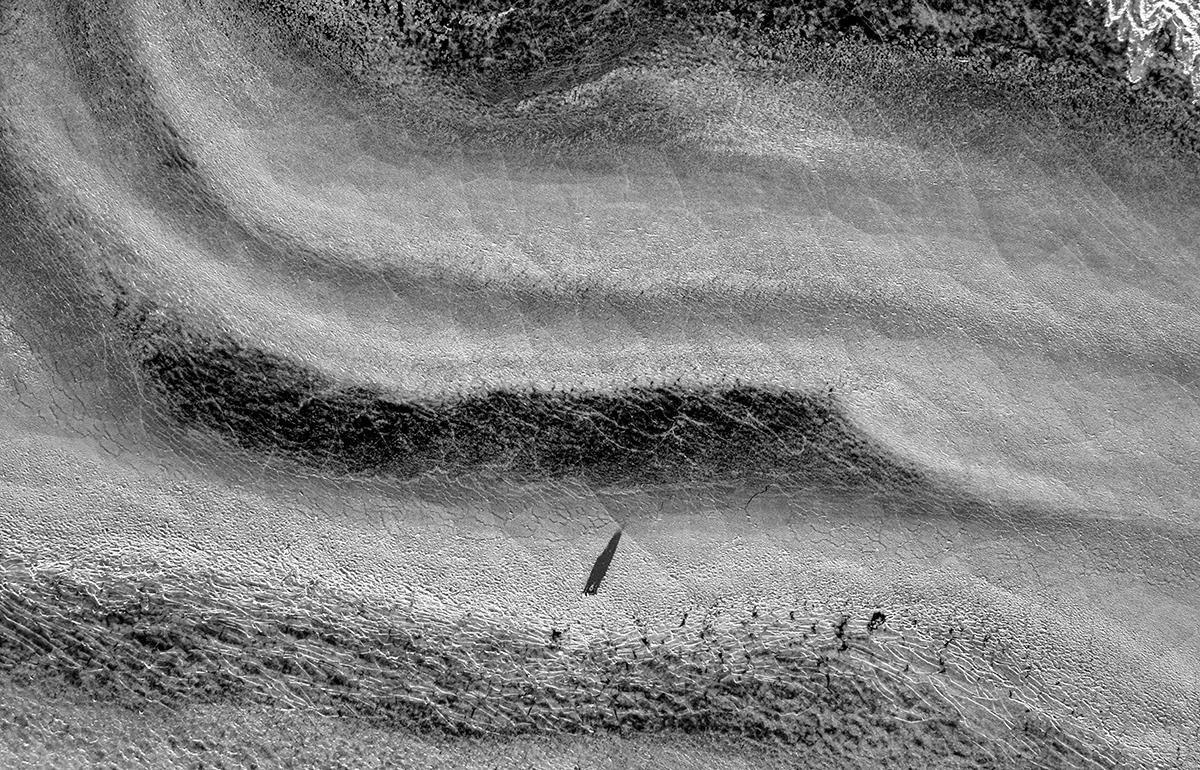
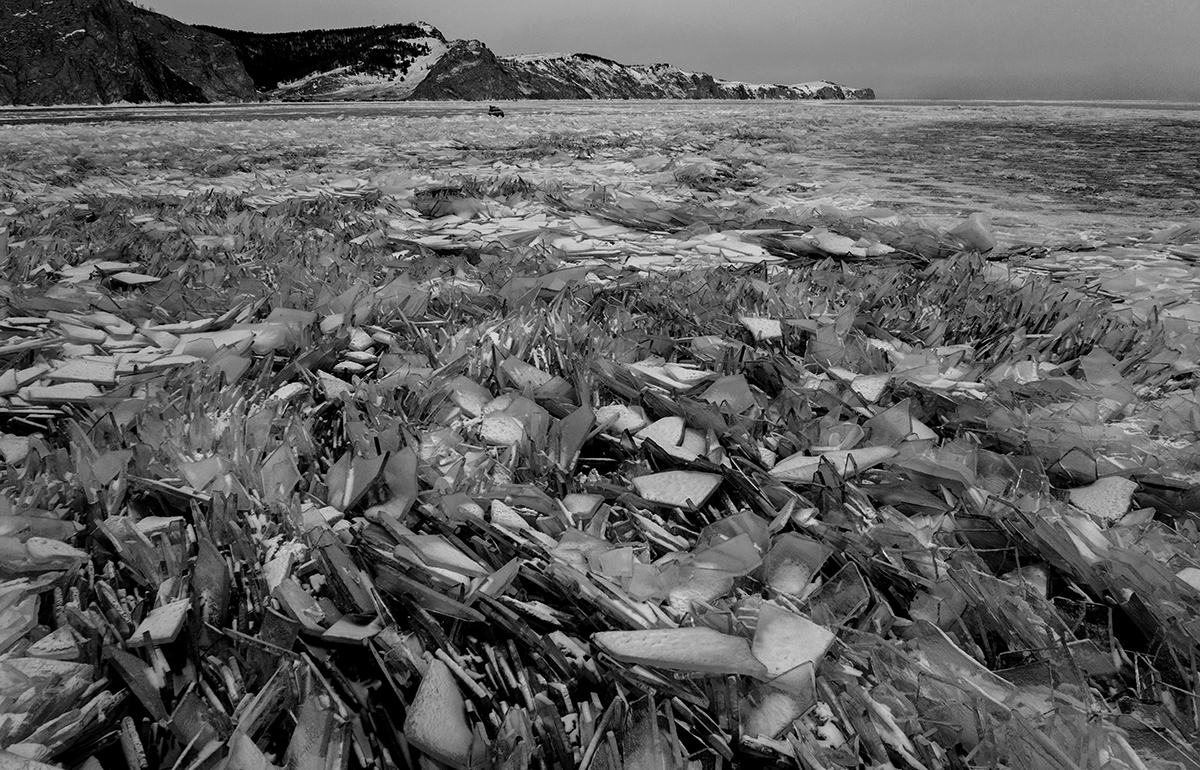
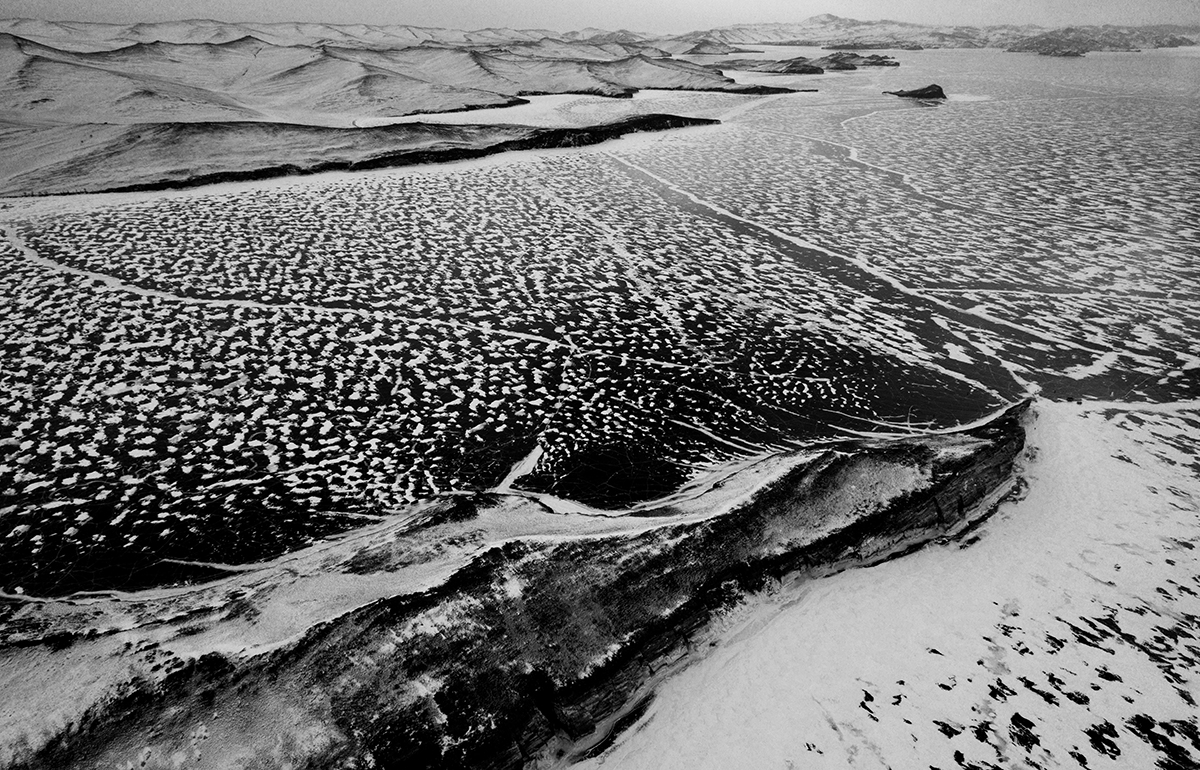
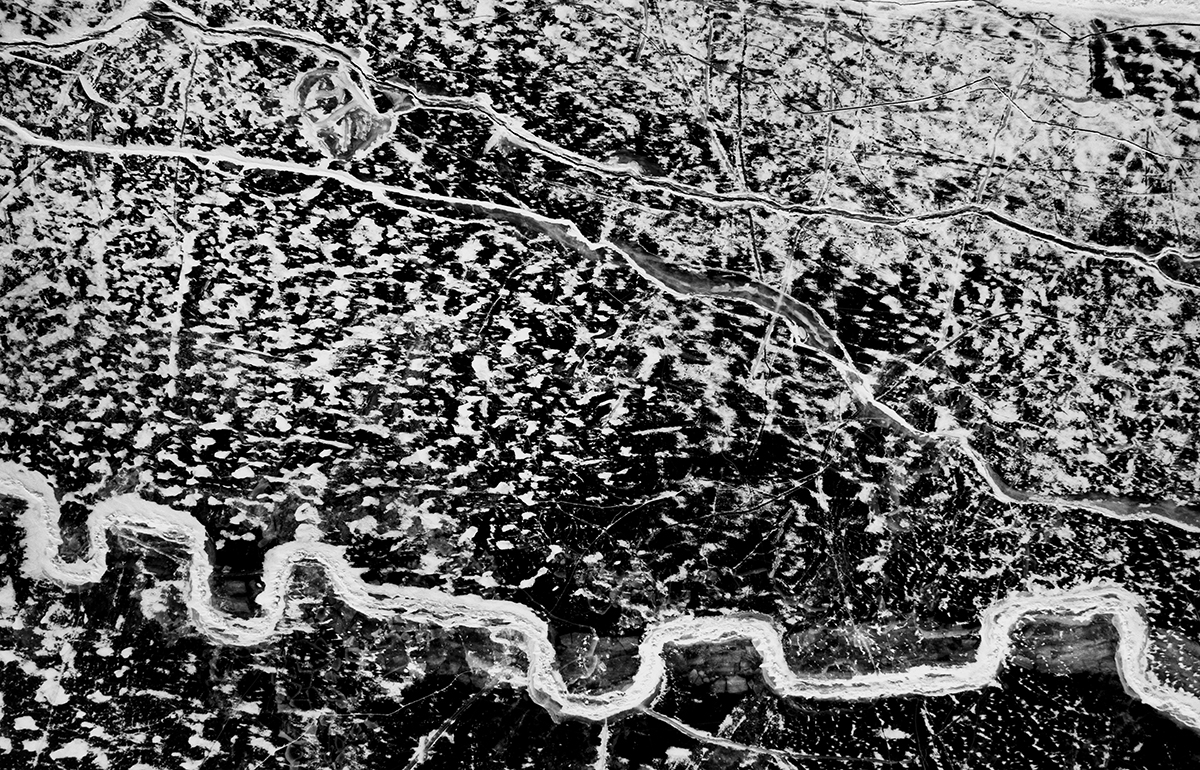
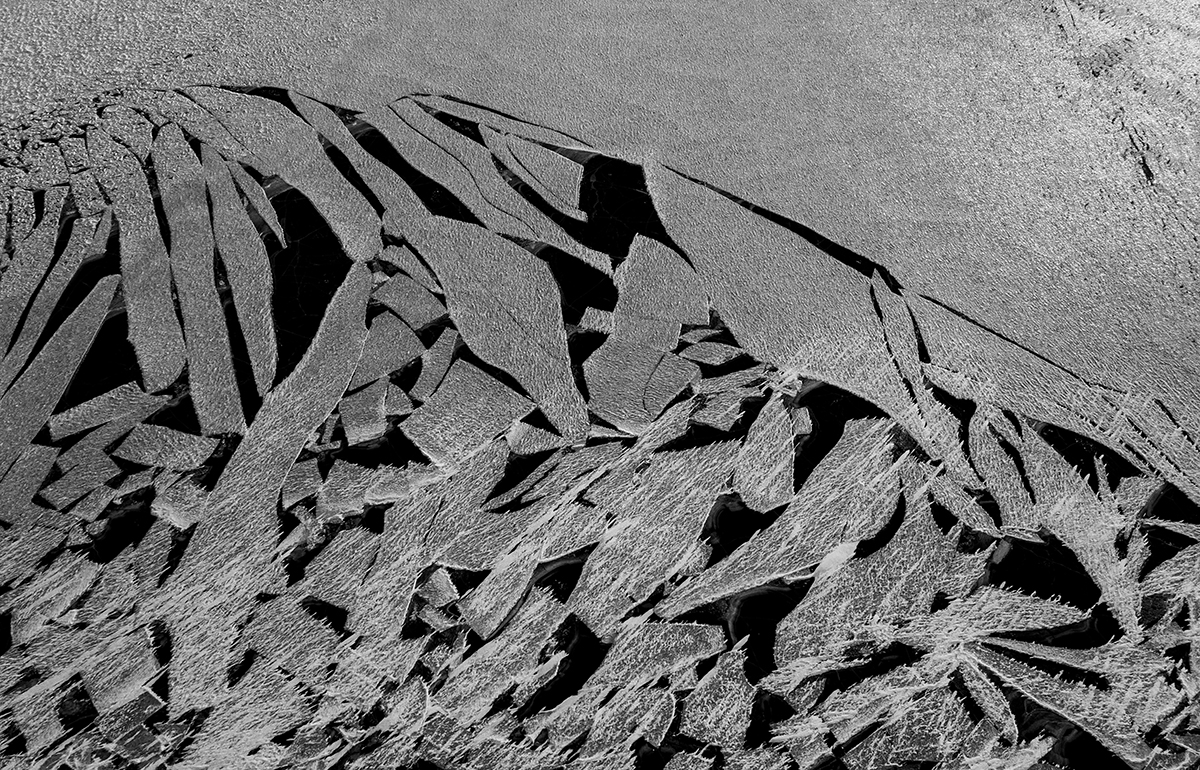
The journey across frozen Lake Baikal unfolds as both an expeditionary record and an environmental reflection. This body of work arises from an artistic inquiry into moments of encounter within a permafrost landscape of exceptional scale and vulnerability. The series captures the distinctive ice formations and material expressions of Lake Baikal during the most severe period of winter, revealing a terrain shaped by both geological time and climatic fragility.
Lake Baikal is the world’s oldest freshwater lake, formed approximately 25 million years ago, and its deepest, reaching nearly 5,300 feet. It is also among the most biologically diverse freshwater ecosystems on Earth. More than half of its approximately 2,500 animal species and almost 30 percent of its 1,000 plant species are endemic, underscoring its singular ecological significance. These qualities render the lake not only a natural wonder but a critical site for understanding environmental change.
Projections indicate that by the end of the twenty-first century, the Baikal region will experience a warmer and wetter climate, particularly during winter. Such changes are expected to alter key abiotic variables, including ice cover and transparency, water temperature, wind dynamics, vertical mixing, and nutrient availability, triggering cascading biotic responses throughout the ecosystem.
The frozen surface of the lake embodies this tension between permanence and impermanence. Some of the images resemble Jackson Pollock's abstract expressionist works, in which ice layers shift, fracture, and retreat. The ice layers on the surface appear solid yet remain fragile because of currents below. These intricate ice structures, both resilient and ephemeral, vanish as temperatures rise, bearing witness to a landscape in transition.
AUTHOR: Yoong Wah Alex Wong (Malaysia)
SHARE
Support this photographer - share this work on Facebook.