TITLE: Almost whole
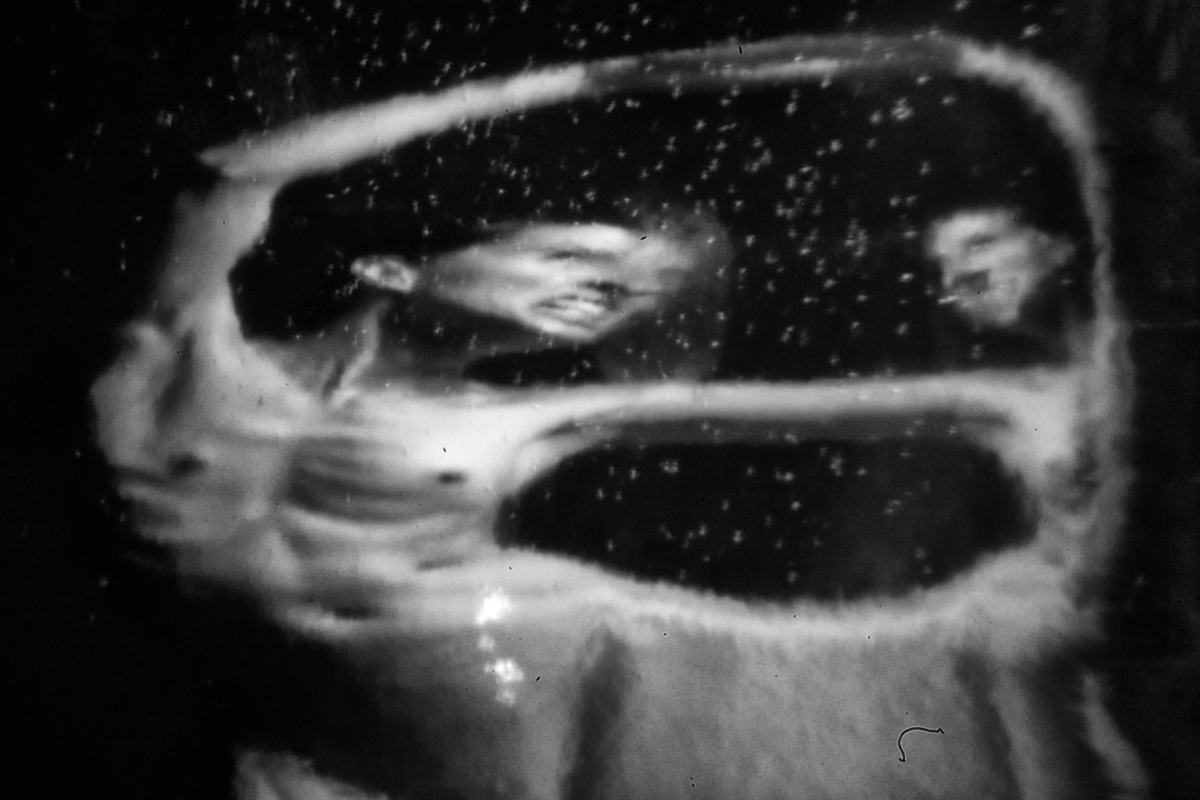
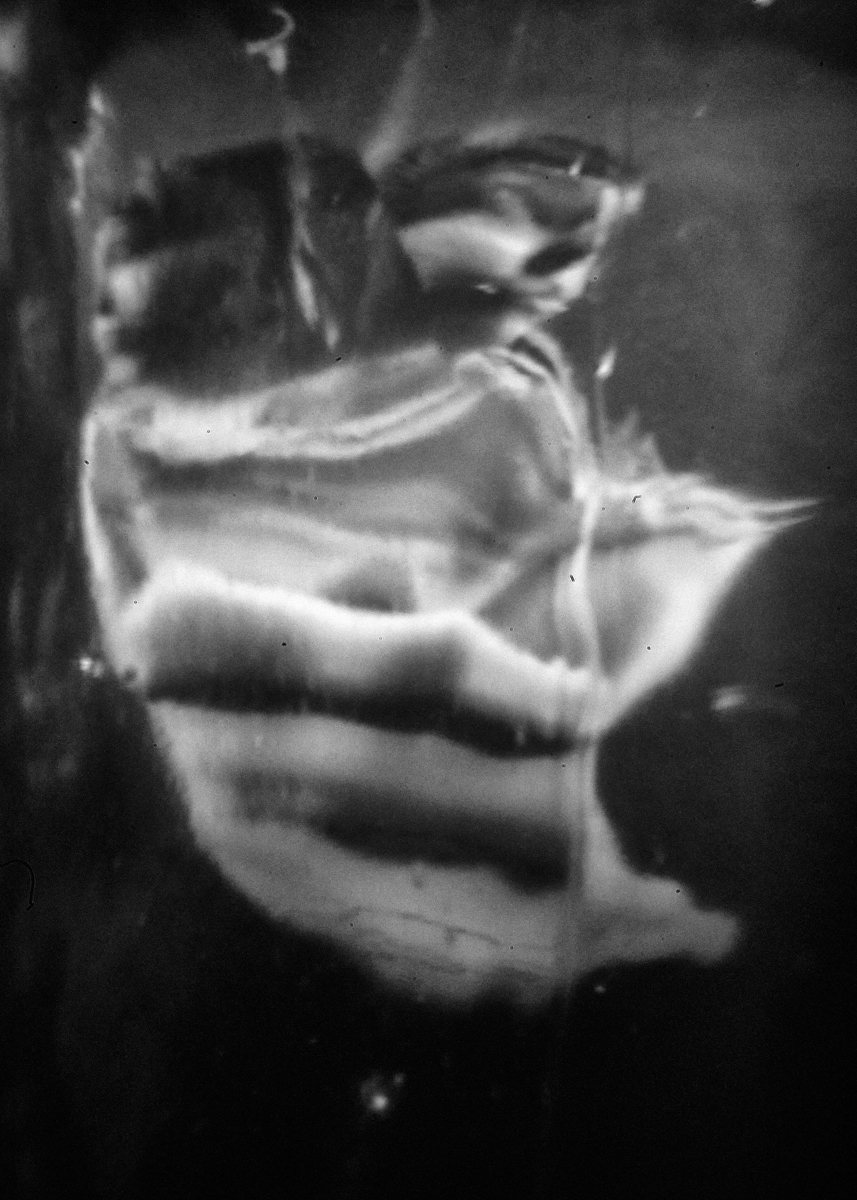
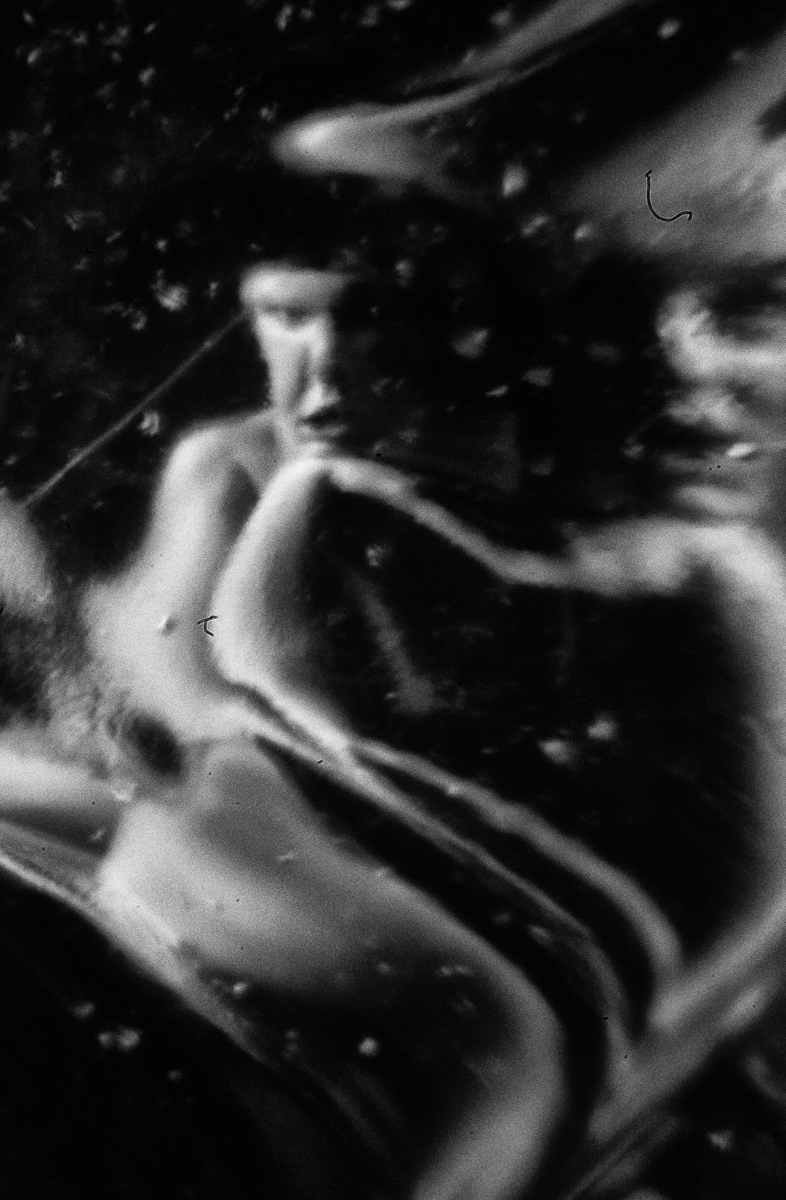
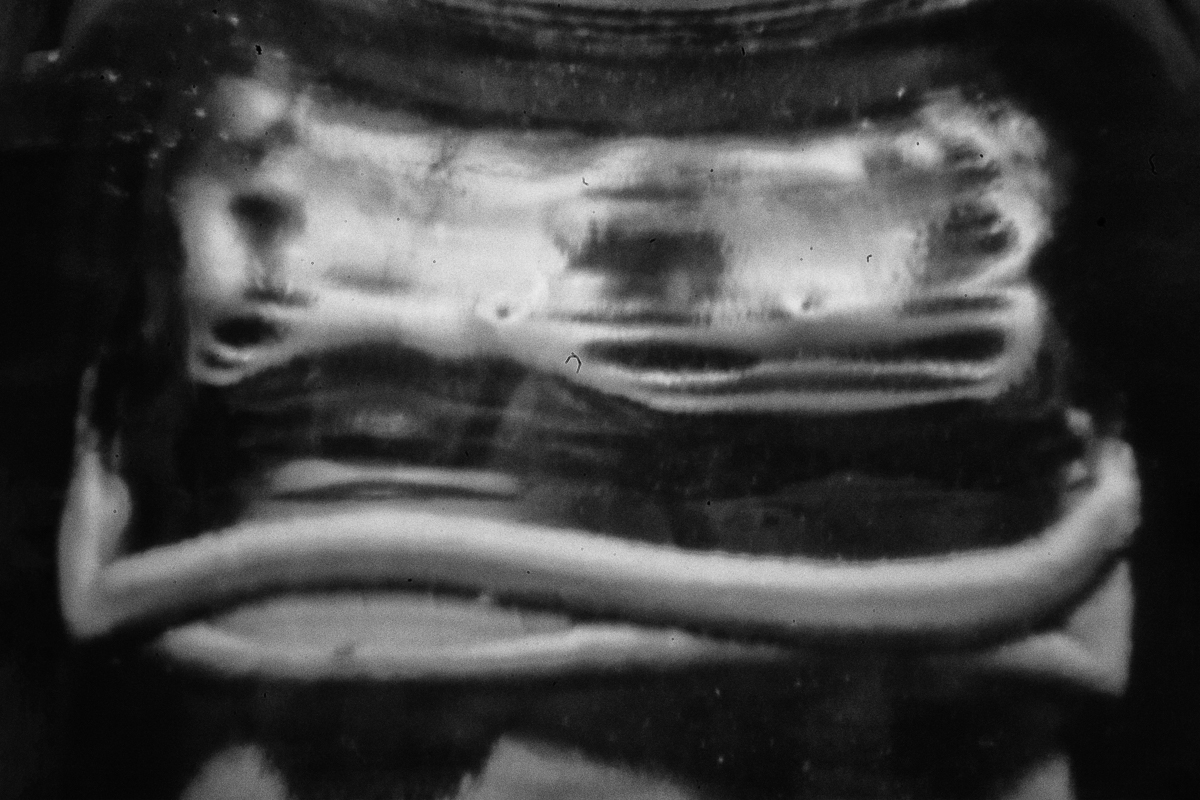
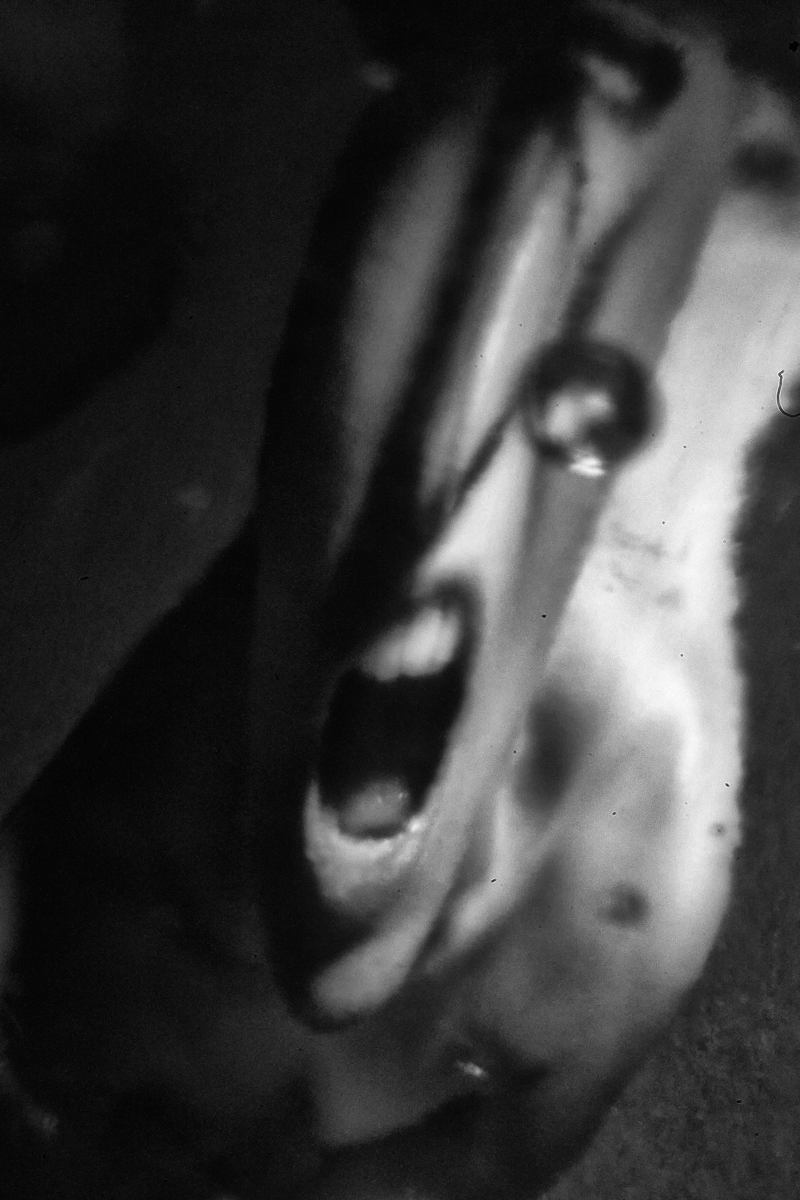
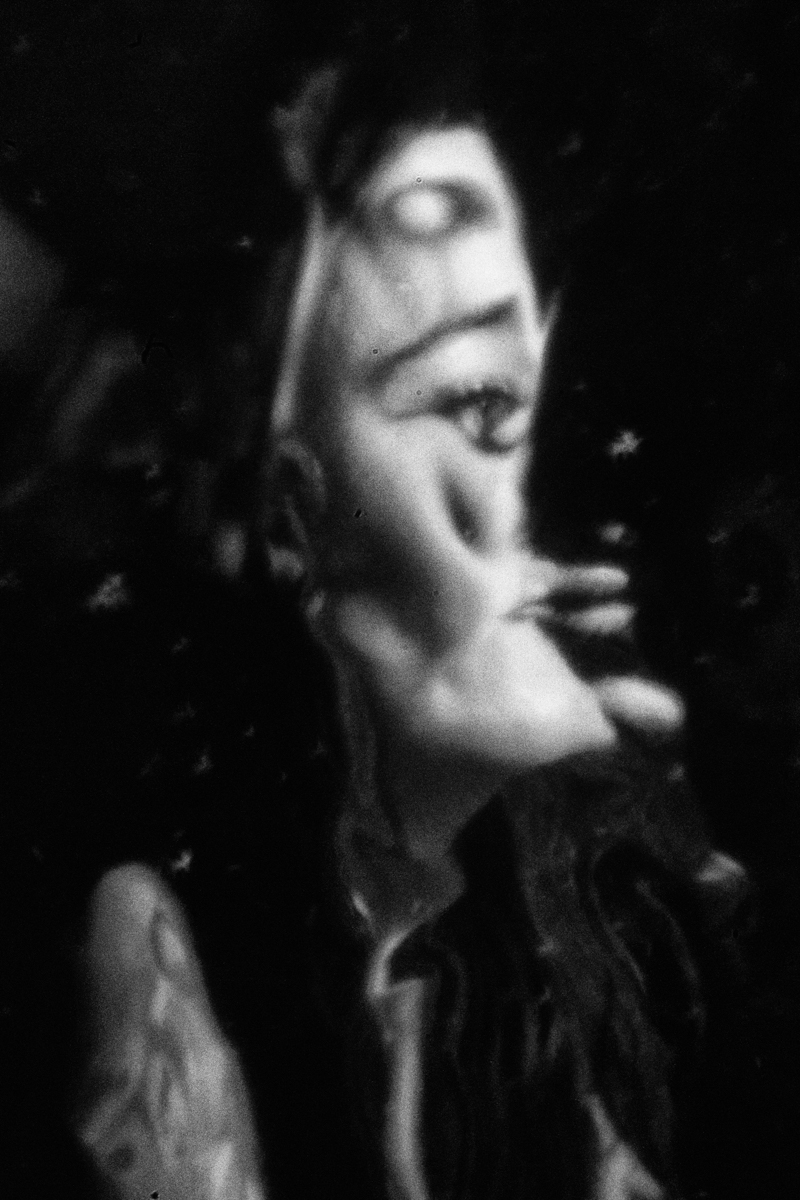
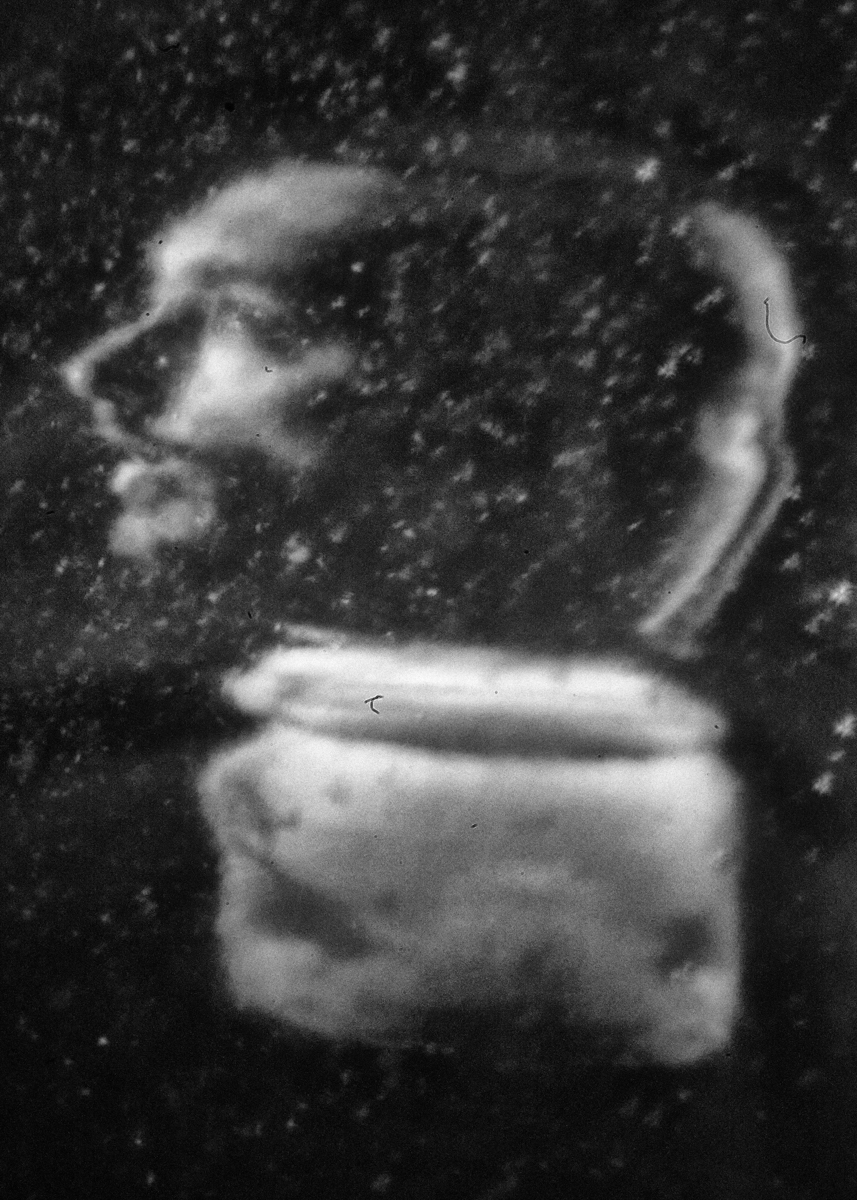
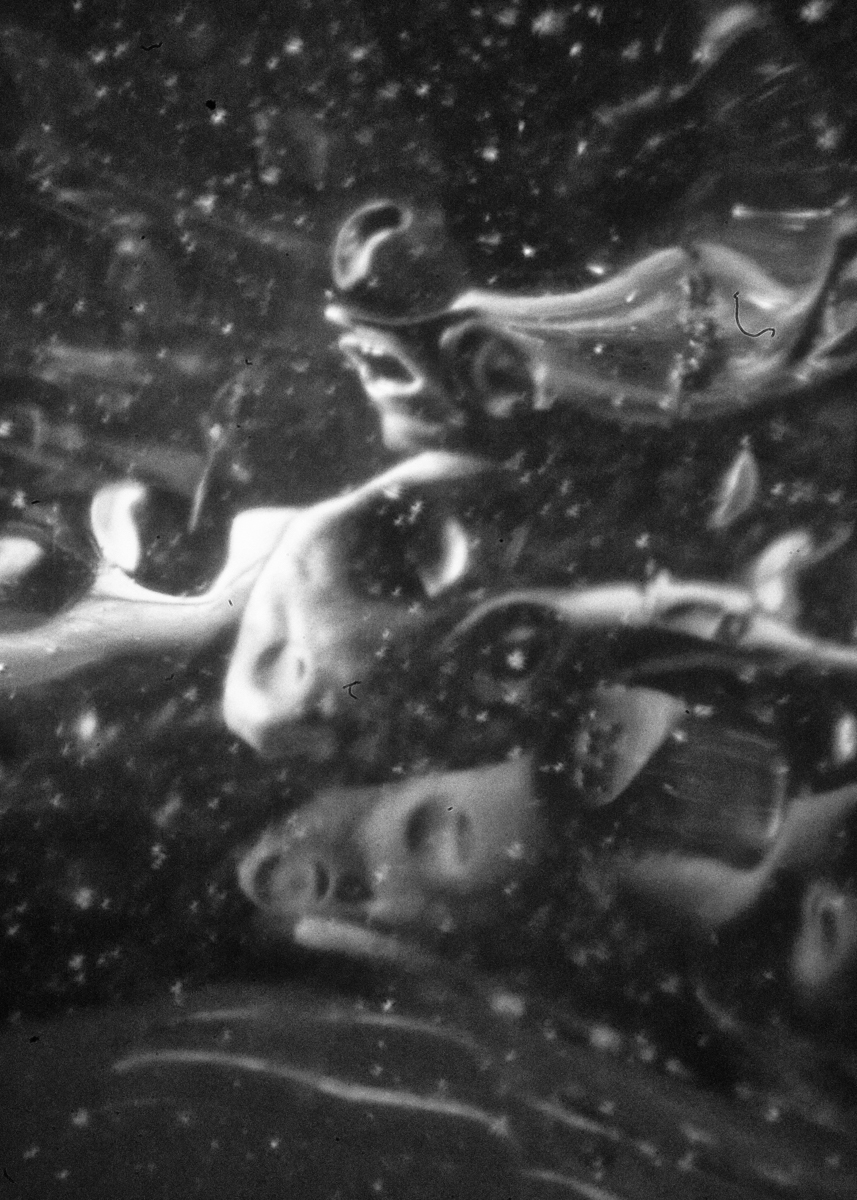
"Almost whole" was created through pinhole photography — a process rooted in the principle of the camera obscura, where light enters through a small opening and slowly forms an image inside a dark chamber. Within this work, the camera obscura becomes a metaphor for the authentic self: a silent interior space where reality exists in its purest form before being touched by the outside world. Yet between this fragile core and external reality stand countless invisible filters — trauma, expectation, compromise, fear, and the desire to belong — bending and distorting what once entered clearly. The image that finally emerges is no longer entirely faithful, but shaped by everything it had to pass through in order to survive.
The distortions within the images are not subtle. They deliberately enter a grotesque visual territory, transforming the human figure into an unstable space suspended between recognition and estrangement. This grotesque quality is not used as a purely aesthetic effect, but as a language of psychological and emotional fragility. Faces become elastic, fluid, nearly impossible to fully grasp — much like a self struggling simultaneously to survive and to belong.
The series emerges from the idea that this condition is not exceptional, but deeply human. We constantly oscillate between authenticity and adaptation, between remaining faithful to ourselves and fulfilling the expectations imposed by others. In Almost Whole, photography becomes a visual mediation of this instability. The images do not provide answers, nor do they attempt to define a fixed truth about identity. Instead, they confront the viewer with the internal distortions created by the need to reshape ourselves in order to function within the world. Between vulnerability and performance, intimacy and alienation, there remains the persistent feeling that we are never entirely complete — only almost whole.
AUTHOR: Oscar Iustin Margarintoni (Romania)
SHARE
Support this photographer - share this work on Facebook.