TITLE: The floating island
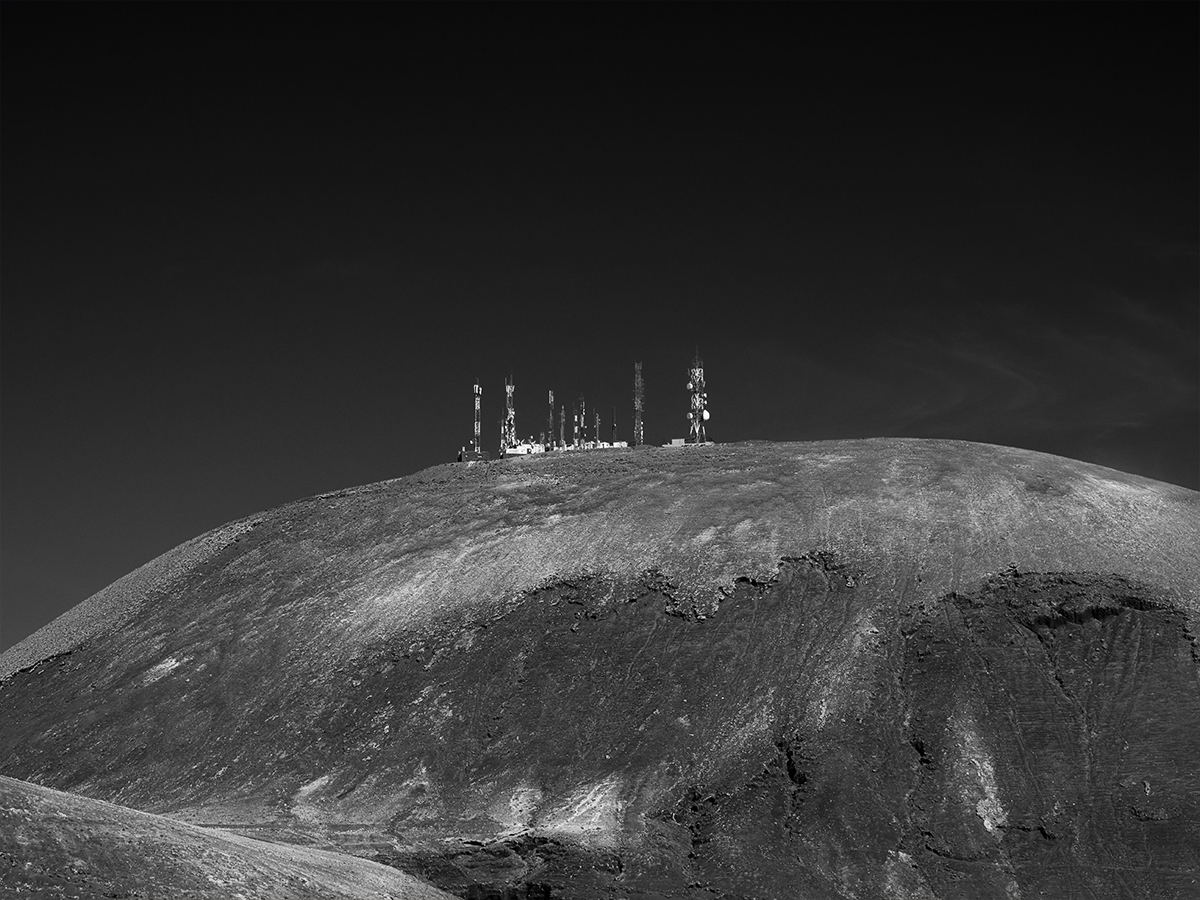
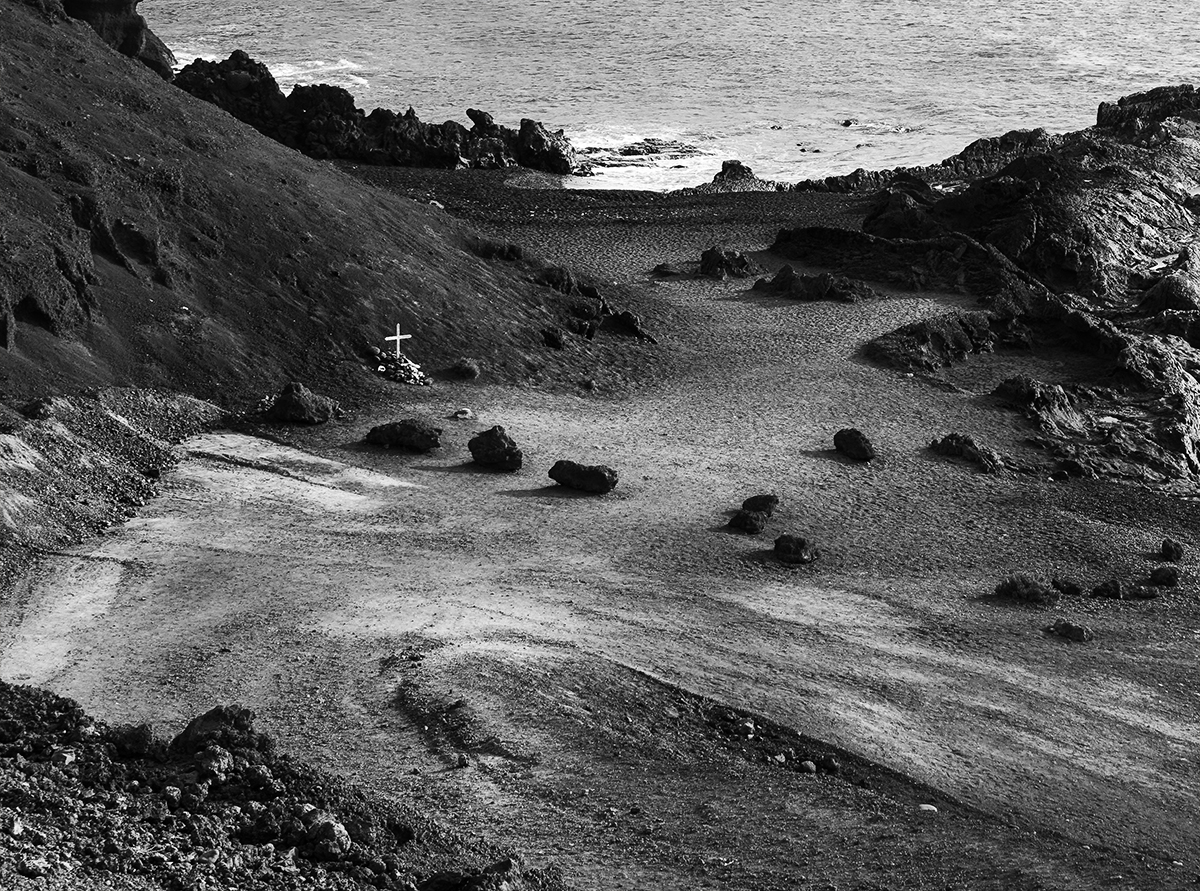
On 1 September 1730, after a series of violent earthquakes, one of the largest and most spectacular eruptions in the history of the Earth began: the Timanfaya explosion. At the end of six years of continuous activity, about a third of the island of Lanzarote found its geography overturned by molten rock, ash, lapilli and craters, covering most of its ancient villages.
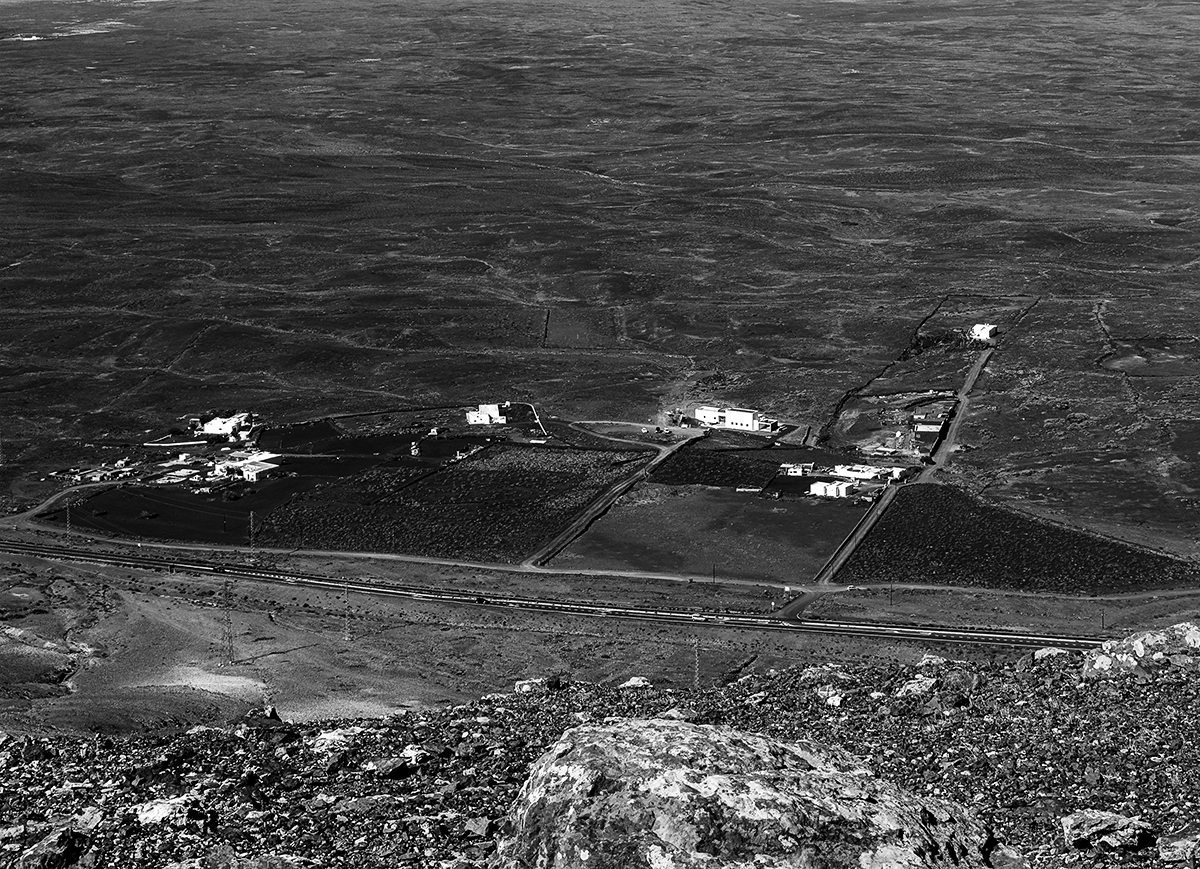
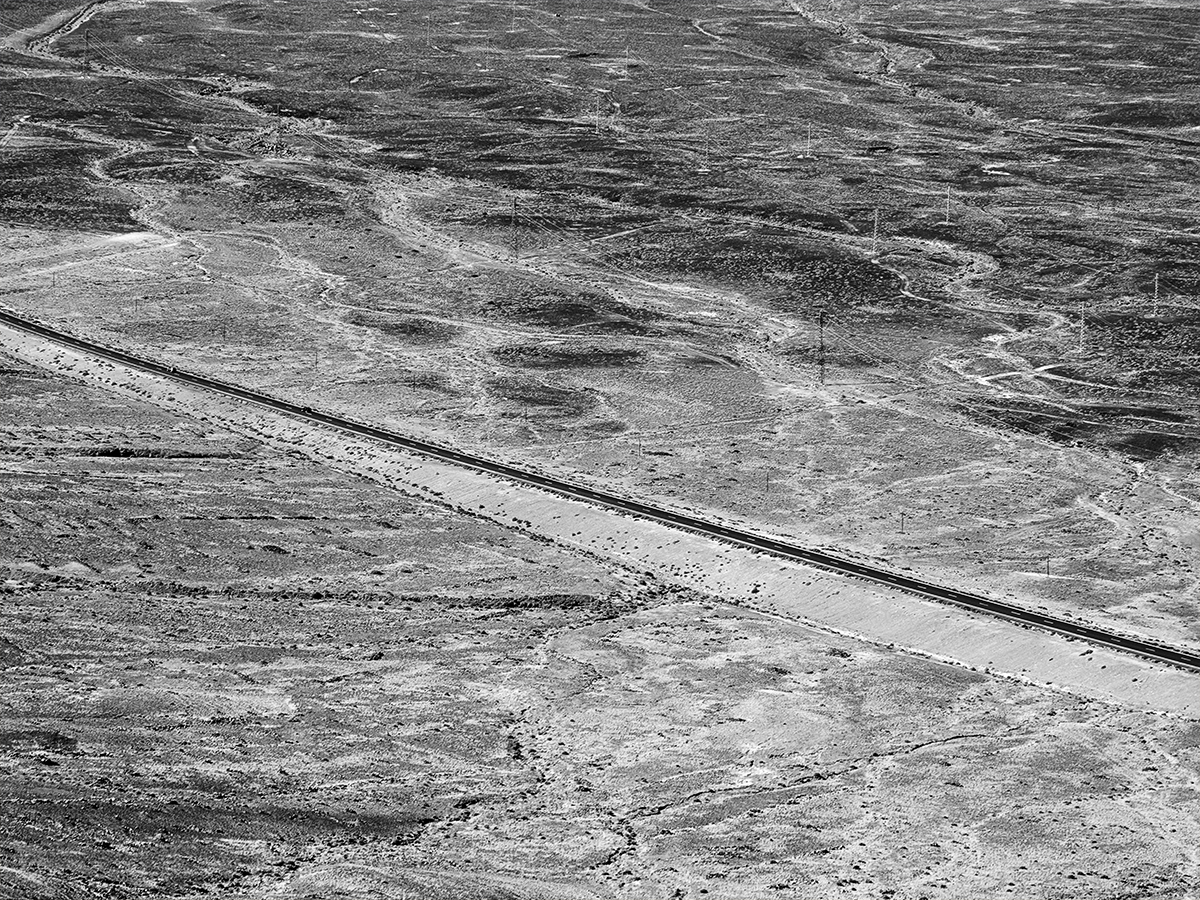
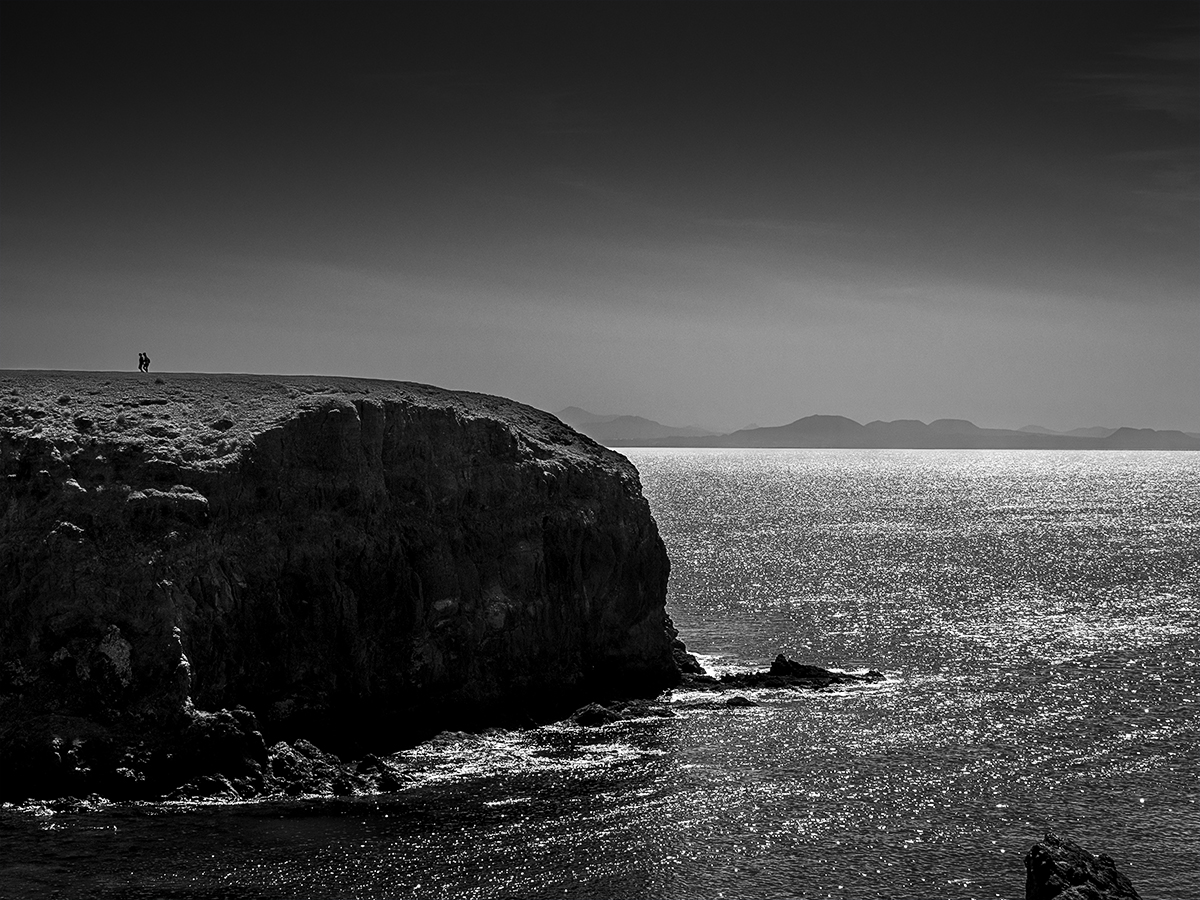
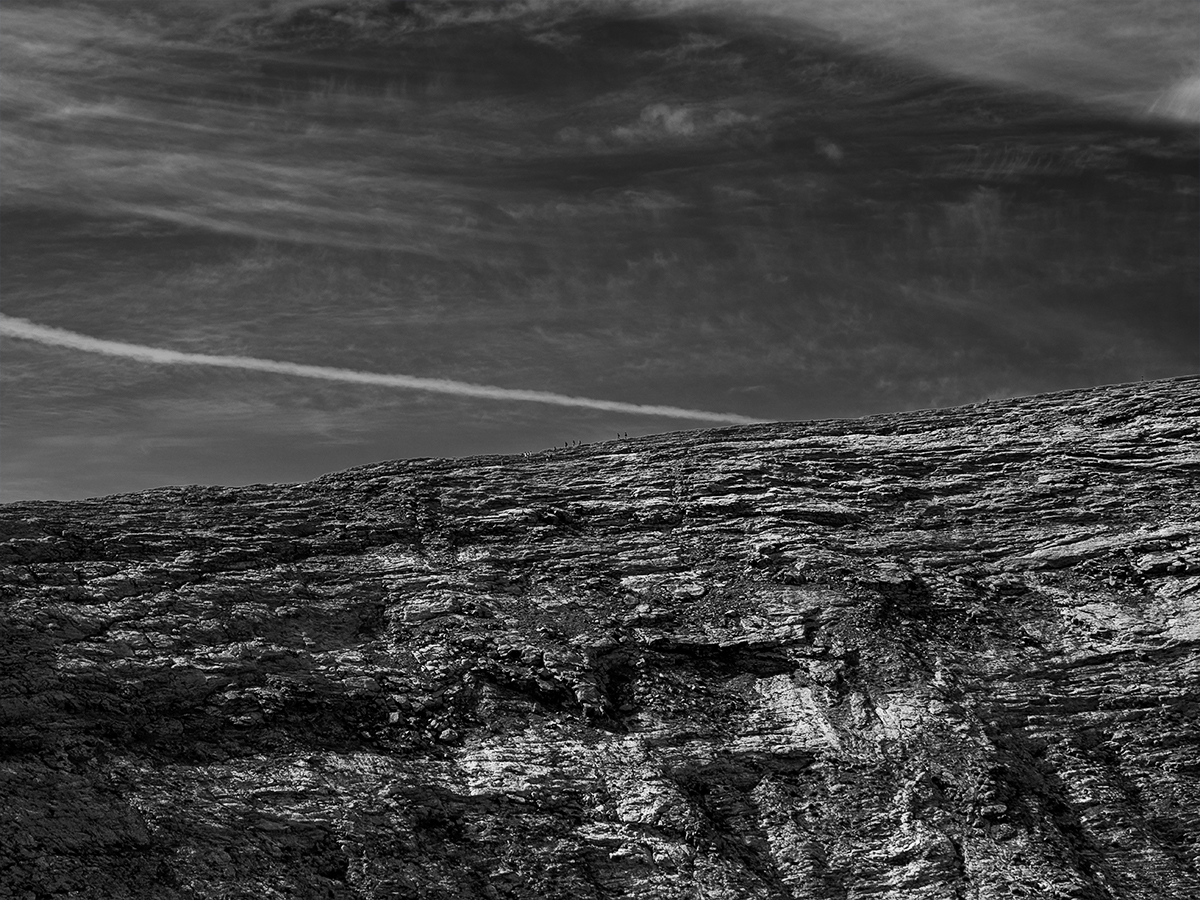
An aspect that still distinguishes the island from the rest of the archipelago today: unique landscapes of telluric nature, seas of lava, hundreds of volcanoes and sparse and resistant vegetation. An island between life and extinction.
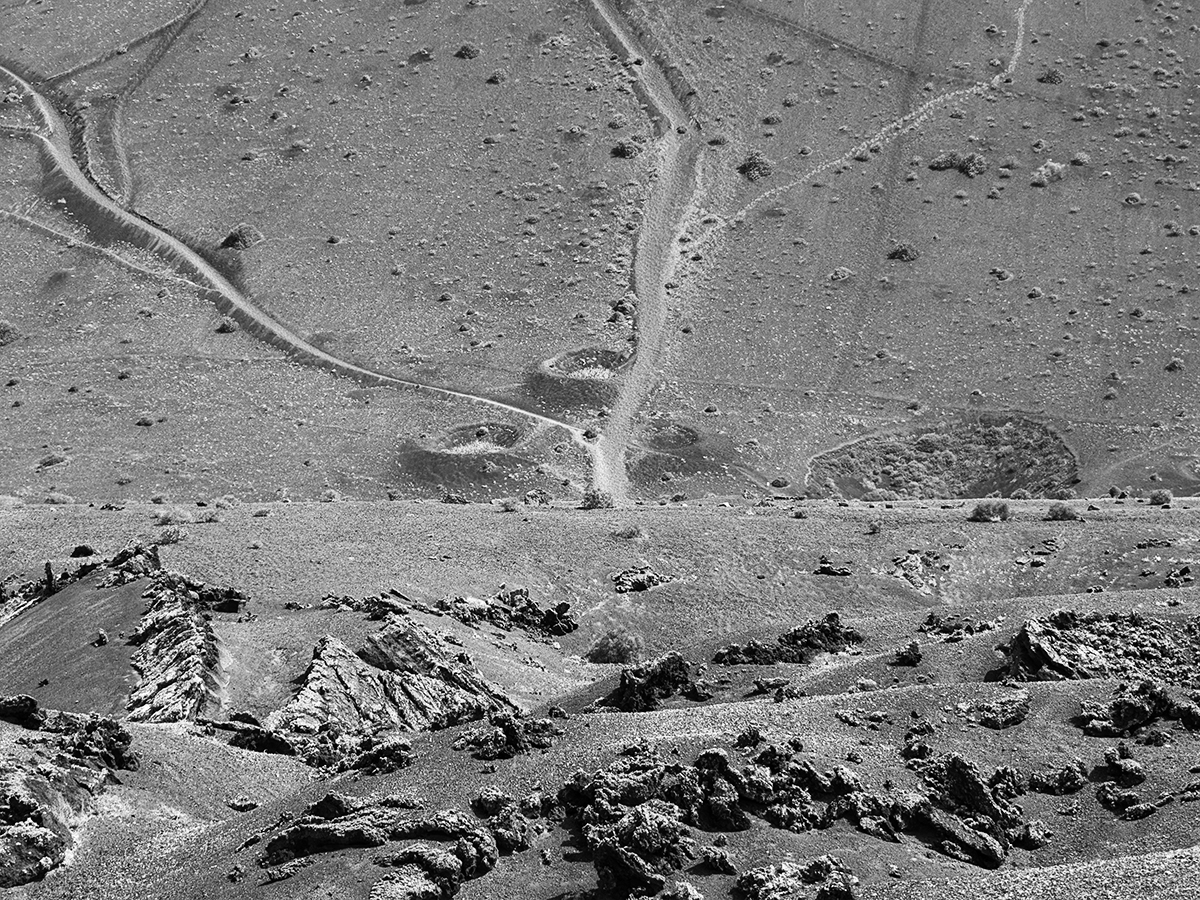
The history of reconstruction, at least since 1736, has been characterised by a rural community that has worked tirelessly for years to remove the countless stones, skilfully piling them up in some areas, moving tons of volcanic sand, building containment structures and digging shelters in the streams of softer lava. A model of gardening/agriculture that combined extraordinary human talent and intense labour.
Over the centuries, however, these difficult conditions have encouraged the talent of the local population. The vines were skilfully planted in small circular cavities in the ground, protected from the wind by lava walls to preserve the limited humidity provided by the night dew; beautiful salt gardens were created; even the prickly pear parasite, cochineal, used as a food colouring - vermilion red - began to be exported.
AUTHOR: Andrea Riberti (Italy)
Andrea Riberti is an engineer, photographer and writer. Born in Genoa, he moved to Rome and has been a photographer for about 30 years. His work focuses mainly on reportage and black and white photography.
Among his recent editorial projects are some fanzines such as "The Floating Island" and "The Last Hours" and some travel books such as "Northern Oman" and "Isole del Tirreno". He has also published a volume of poetry, "Metropolitan Verses", and won the special jury prize at the 6th edition of the national "Terra di Poeti" competition.
Among his most recent collaborations are the collective photography book "Urban" ed. Graffiti and the exhibition "Photographic Contaminations - Hopper, Egglestone, Carver", Wire Rome.
SHARE
Support this photographer - share this work on Facebook.