TITLE: Carrasecare
Carrasecare is the Sardinian word that indicates carnival, the etymology means "meat to be dismembered" and recalls the rites of Dionysius.
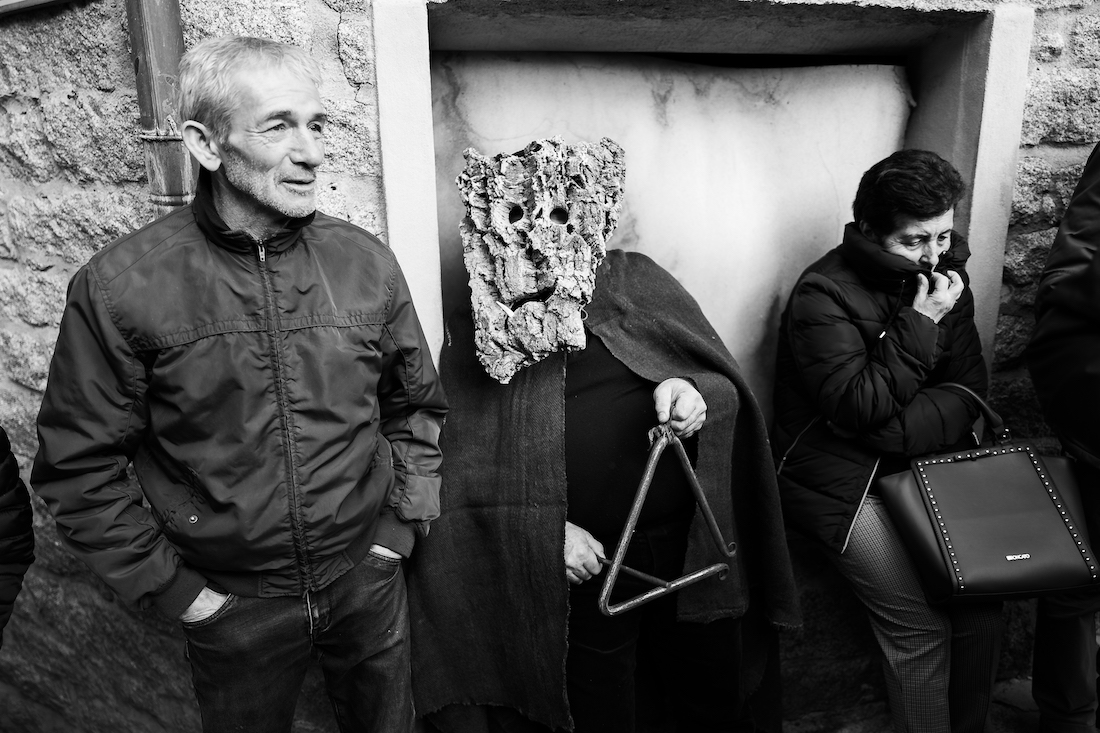
The carnival of Sardinia is perhaps the oldest Dionysian rite that has still survived over time. In his masks and attitudes we find the ancient rural rites linked to the world of sheep farming and nature.
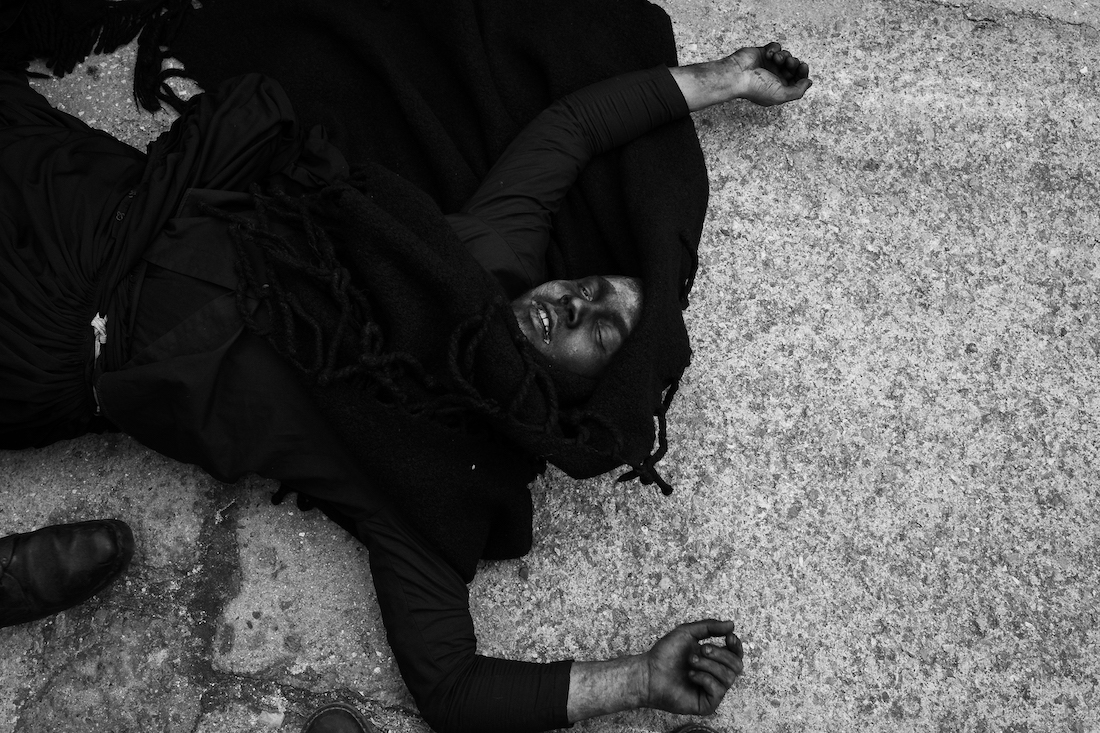
Carnival days are days of madness where the death of winter in favor of spring is metaphorically celebrated.
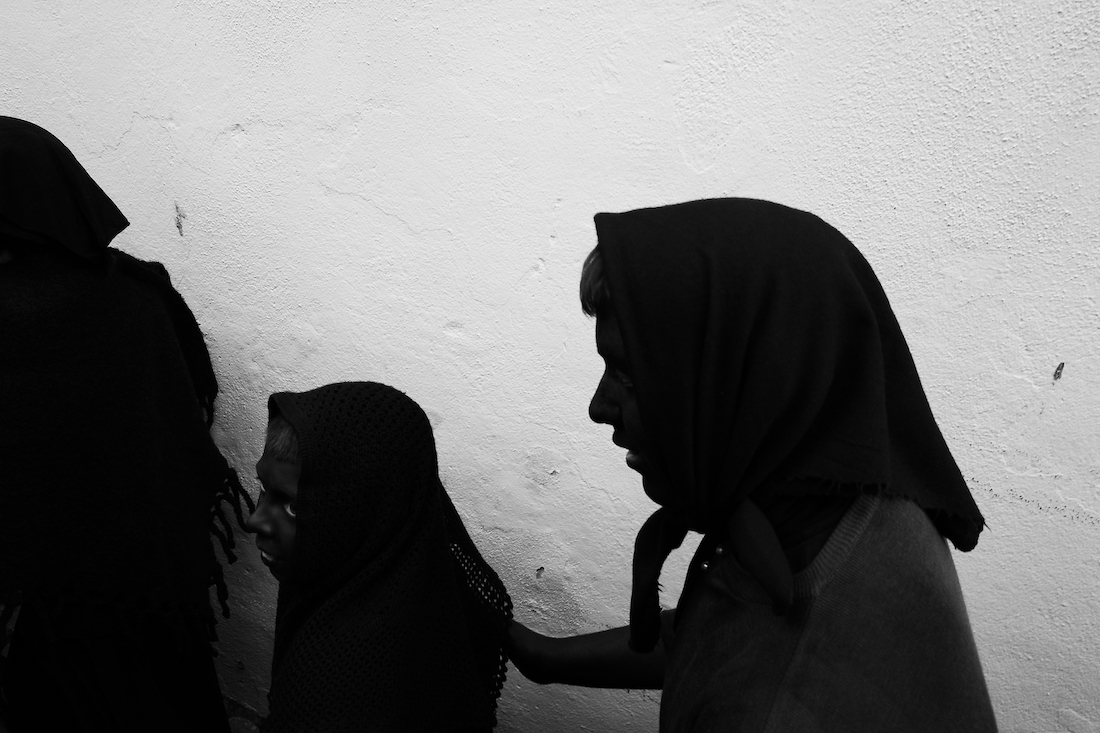
Black faces are a way to exorcise the old year with the hope that spring will bear fruit.
Only in Sardinia have these ancient rites been preserved in all their strength, maintaining all the ancient meanings of the rural world.
It is in the heart of the small villages of central Sardinia that these carnivals are celebrated, in the small streets they walk processions of men dressed like animals, made up in black in search of the spirit of Dionysius to dismember.
The masks speak of the arrival of sheep farming on the island and of the importance of subjecting animals to the will of man.
A struggle between man and nature where there is no real winner. The Sardinian carnival retraces the entire ancient history of the island.
Some of these carnivals had long been censored by the church or lost in the whirlwind of modernity. In recent decades many villages have rediscovered their ancient masks, allowing us to experience a unique event that is lost in the mists of time.
AUTHOR: Gianluca Uda (Italy)
Born in Rome in 1982. For many years he has worked as a photojournalist collaborating with national and international newspapers and magazines.
Collaborate with humanitarian and social associations.
In 2013 he published a photographic book entitled Lamiere, a book of social denunciation on the situation of African slums
SHARE
Support this photographer - share this work on Facebook.