TITLE: Towards the Green Revolution
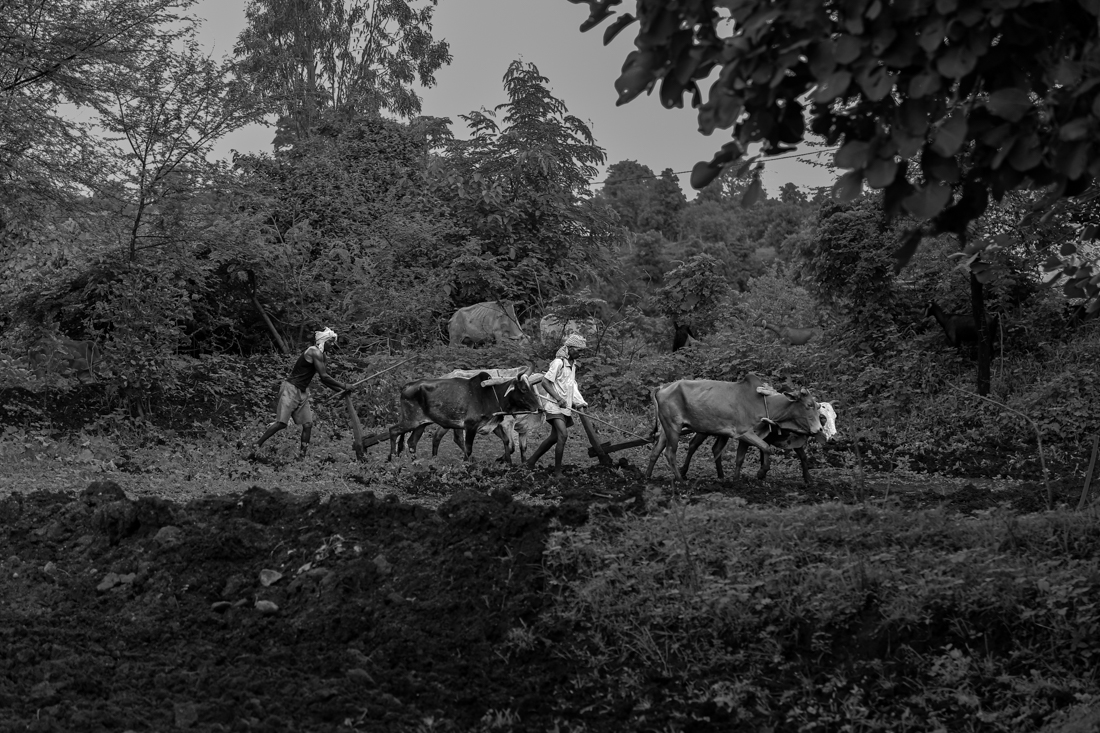
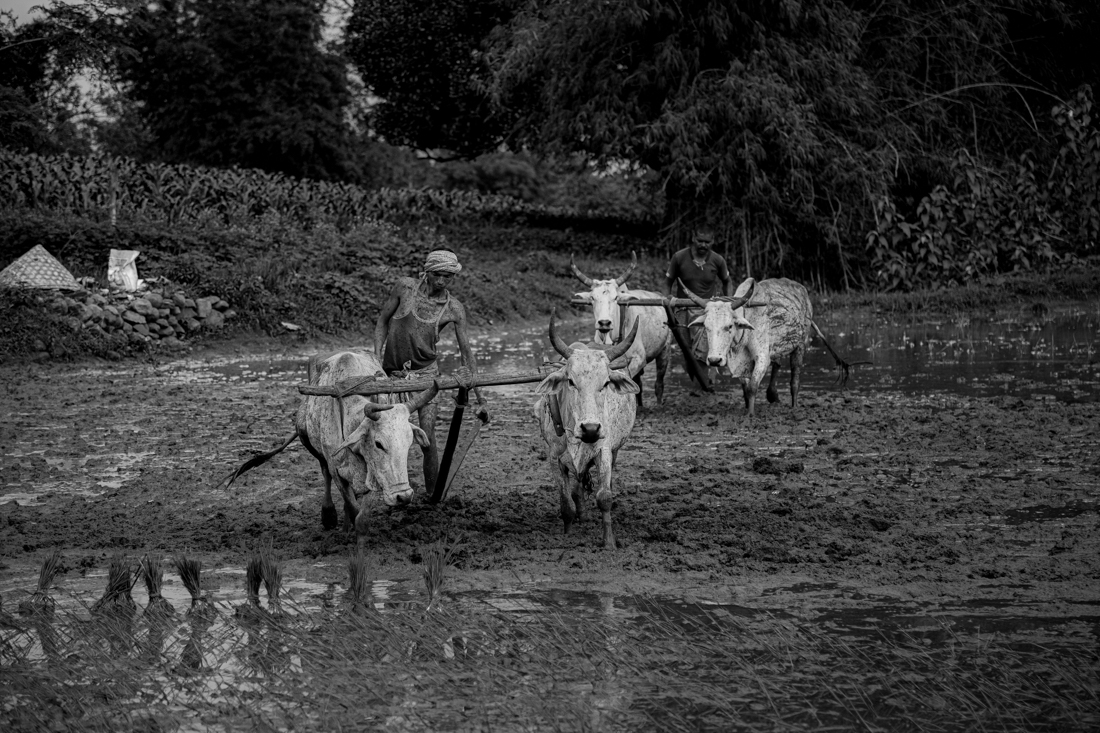
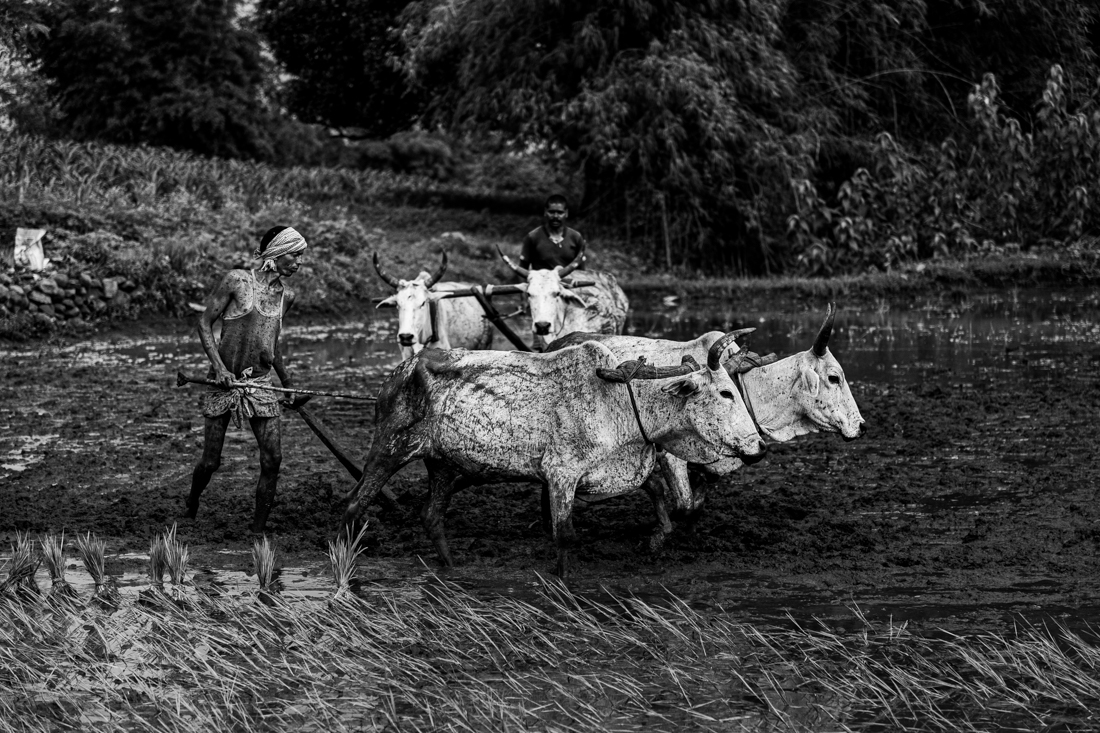
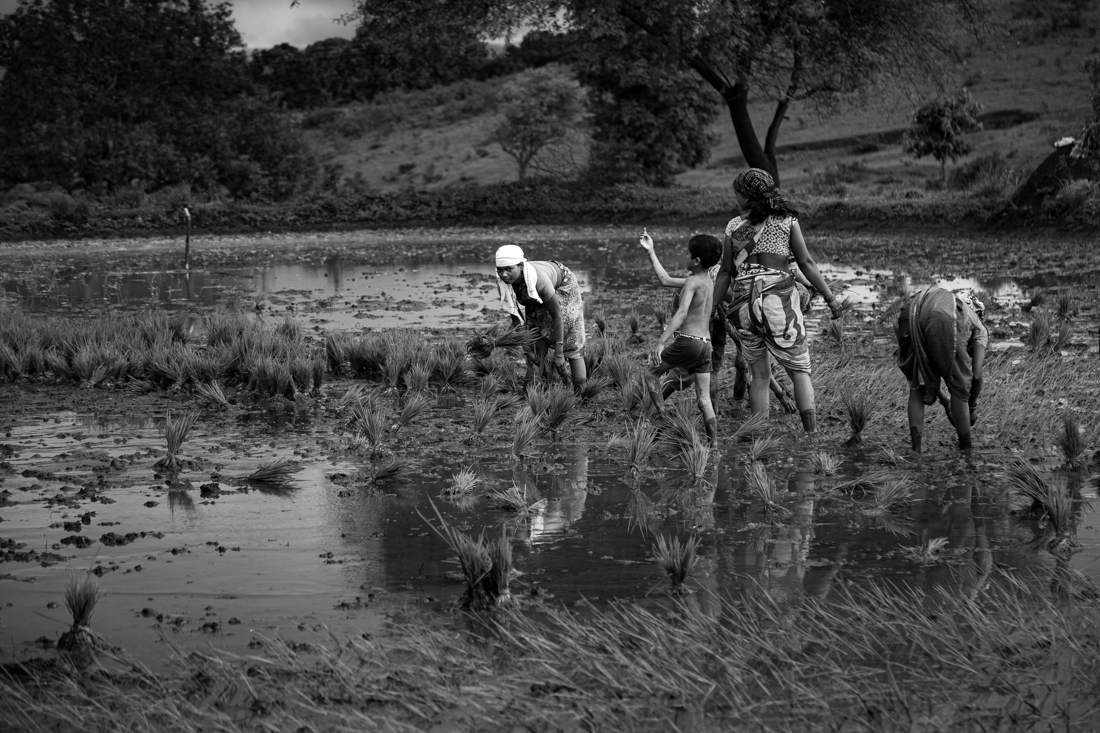
More than 60 percent of India’s 1.3 billion people still depend primarily on agriculture for their livelihood, though the sector accounts for only about 15 percent of the country’s economic output. That reliance increased after the coronavirus pandemic badly struck the urban economy and sent millions of laborers back to their villages. For years, debts and bankruptcies have been driving farmers to high rates of suicide.
Various reasons such as monsoon failure, climate change, high debt burdens, government policies, mental health, personal issues, and family problems are among the reasons for farmers’ facing so much stress in India which is deteriorating quality of life.
Recently, India experienced over a year of mass protests by farmers over agricultural reforms, the largest such protests in decades.
In September 2020, tens of thousands of farmers from different states of India left their homes and took to the streets to protest against the farm reforms passed by the government. The reforms have left many farmers in a difficult situation. Some fear their long ongoing struggles will worsen and others fear the reforms will only add to the disturbing rash of farmer suicides across the country.
The only remedy to the crisis is to do all that is possible to make agriculture a profitable enterprise and attract the farmers to continue the crop production activities. In an effort toward this direction, the government should augment its investment and expenditure in the farm sector. Investment in agriculture and its allied sectors, including irrigation, transport, communication, rural market, rural infrastructure, and farm research, should be drastically increased
Overall, the government should aim at the integrated development of the rural areas. All farmers, agricultural laborers, societies, Government, and People’s Organisations should work collectively to revive agriculture and “Save India from Agriculture Crisis”.
AUTHOR: geetika singh (Kenya)
Hi….!!!
I am Geetika Singh, A Wildlife and Humanitarian photographer associated with documentation and journalism. I was born and brought up in the Nothern plains of India and am currently settled in Kenya, Africa.
Telling stories of people working in unique, challenging environments and those who live in a close bond with nature is a key element of my photography.
I believe photography makes a huge difference in two ways: It can expose environmental problems as nothing can else, and it can help get people to care. Through my photojournalism and stories associated with humanitarianism, I want to reflect on the social and cultural issues, society goes through.
As a humanitarian photographer, my photographic portfolio spans the four corners of the globe and my favorite part of my photography is getting to meet people from different cultures. While some places or landmarks may be famous or beautiful, I think the people are what make a place interesting. So being able to capture people in their environment and show what life is like in these places is a big part of what I project about in my photography.
SHARE
Support this photographer - share this work on Facebook.