TITLE: The dangerous job of recycling
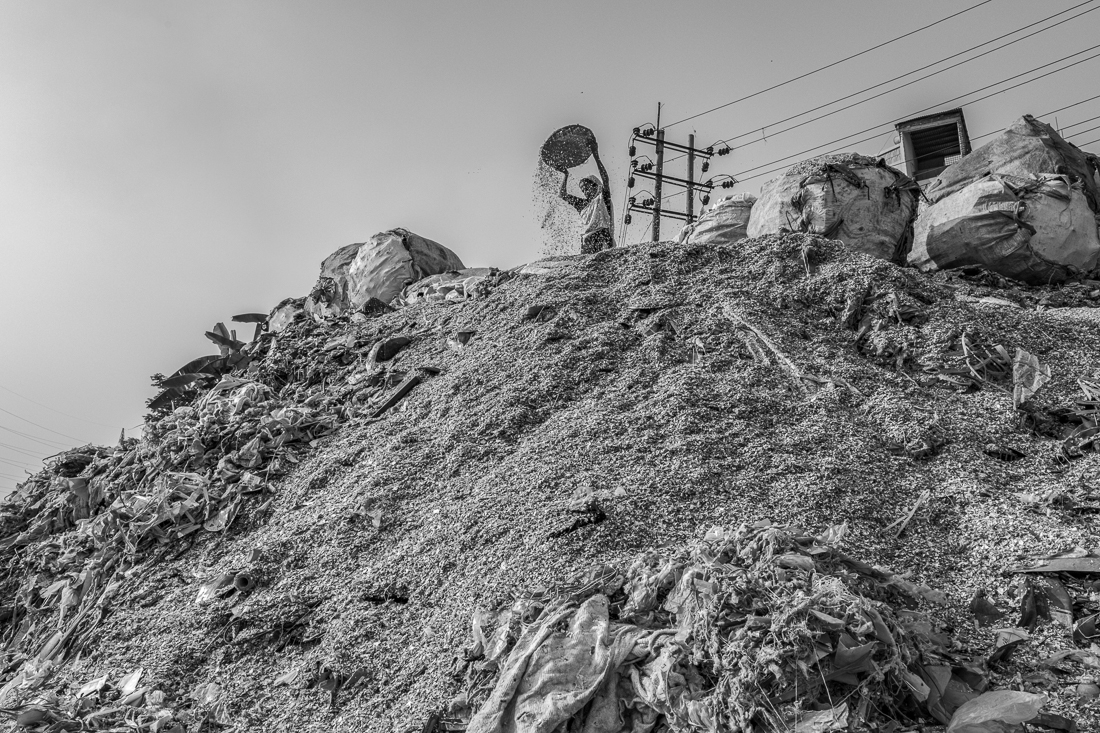
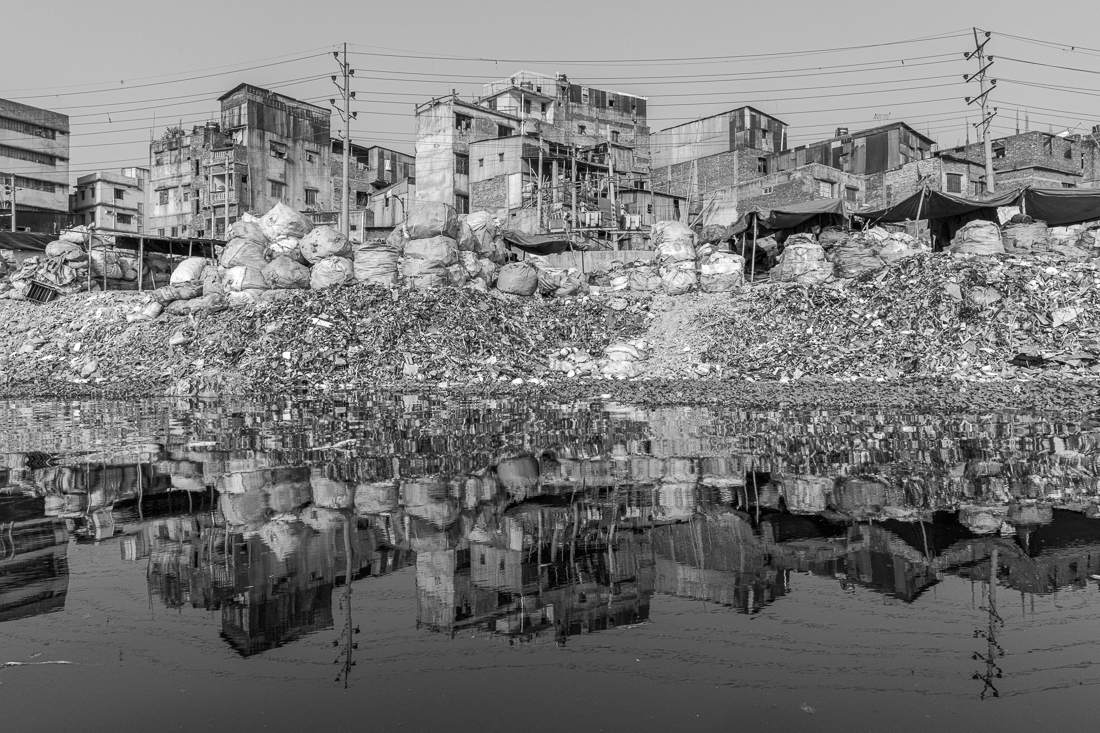
In Dhaka, the biologically contaminated waste generated by the COVID 19 pandemic has been introduced into the recycling industry. In Bangladesh recycling is a dangerous job and the only form of survival for around five million people.
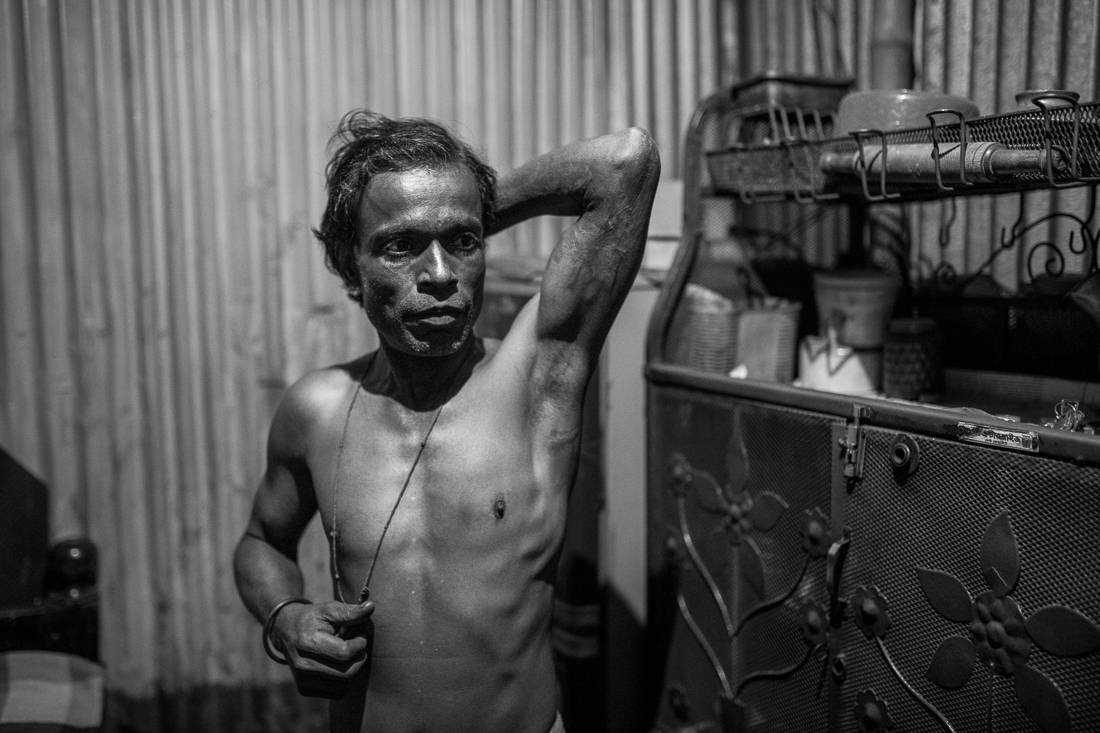
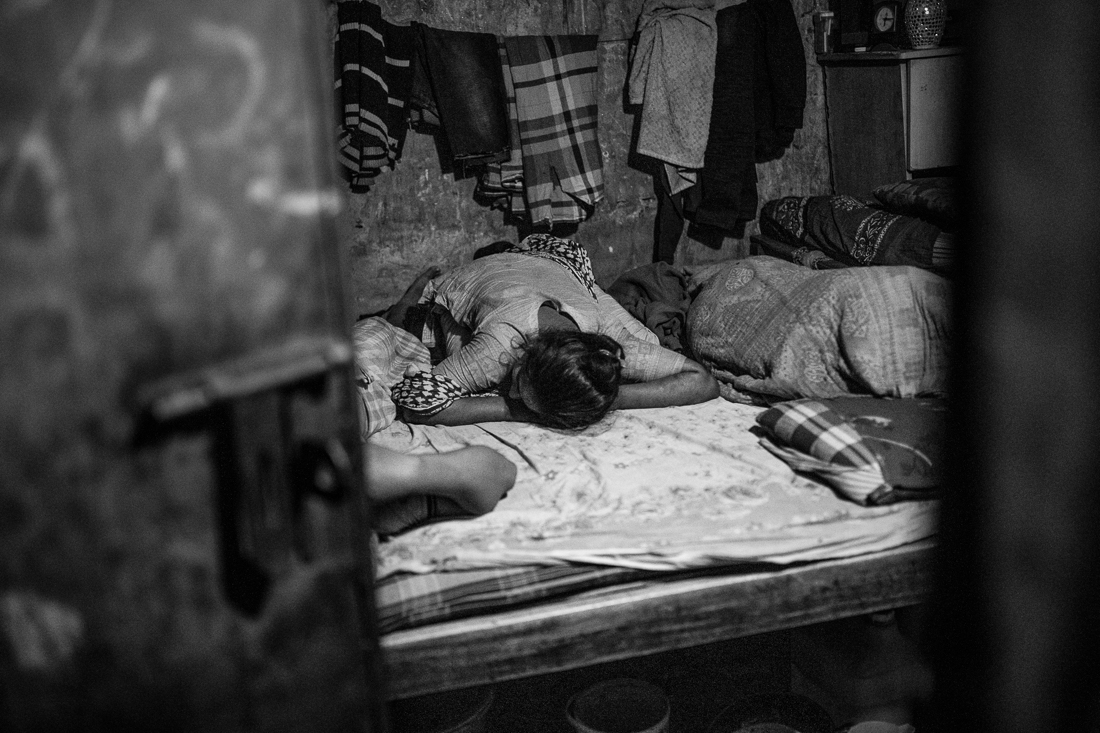
This business, mainly informal, generates a precarious way of life; people who work directly with these wastes are exposed to high temperatures indoors and to a large amount of toxic fumes and other pollutants that slowly lead to illness and death.
Usually, we think that recycling is a way to protect the environment, to reduce our negative impact on it, but the pandemic has shown us that in countries like Bangladesh recycling can also have adverse effects on the health of the most vulnerable people.
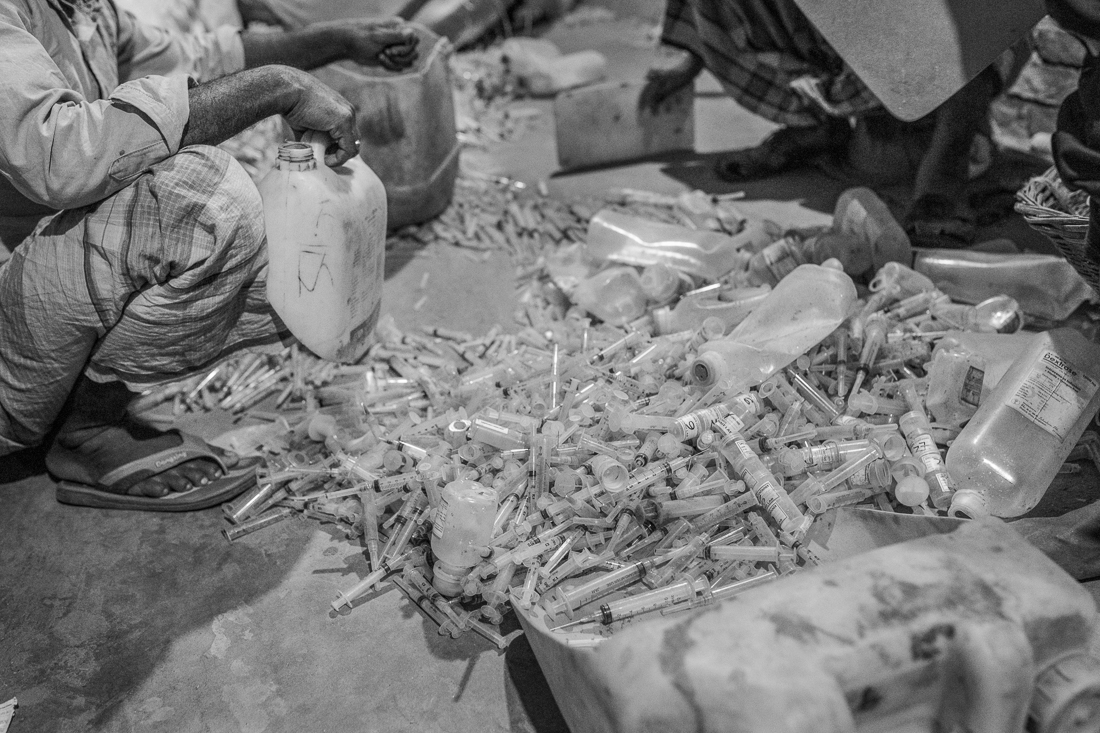
Syringes, needles, vaccine containers, and other wastes are contaminants that need to be specifically treated in a way that does not present a potential risk to public health. However, given the ineffective health security controls in the country, this waste circulates in some of the poorest neighborhoods in the capital.
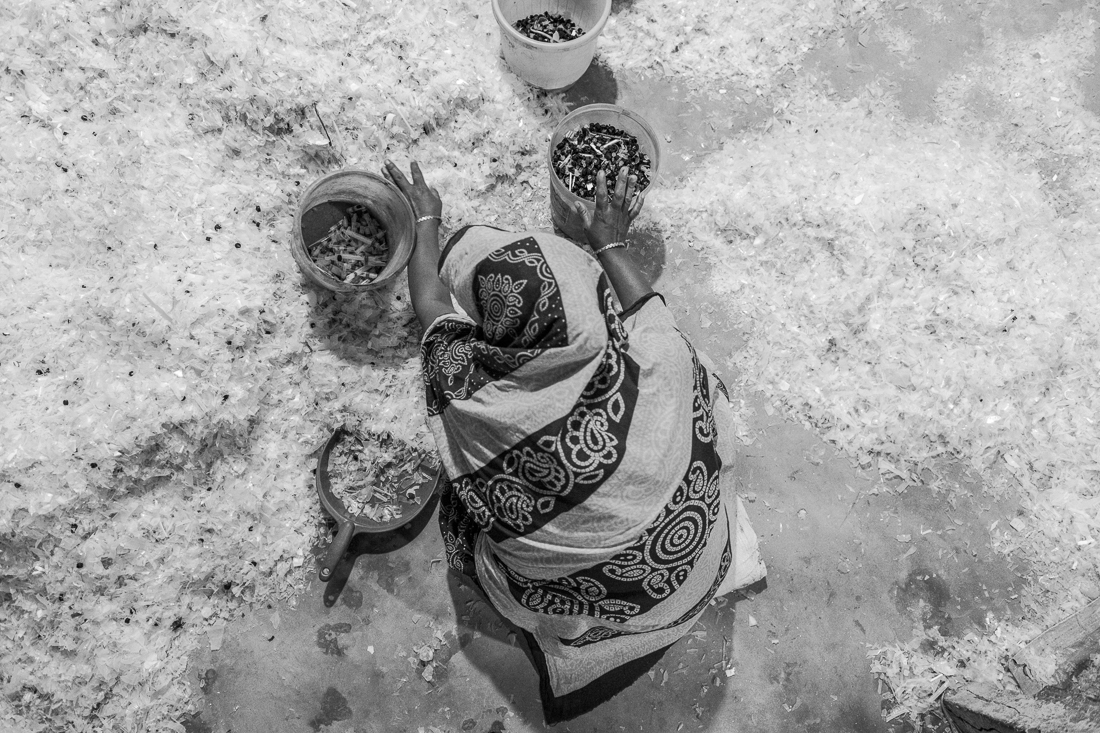
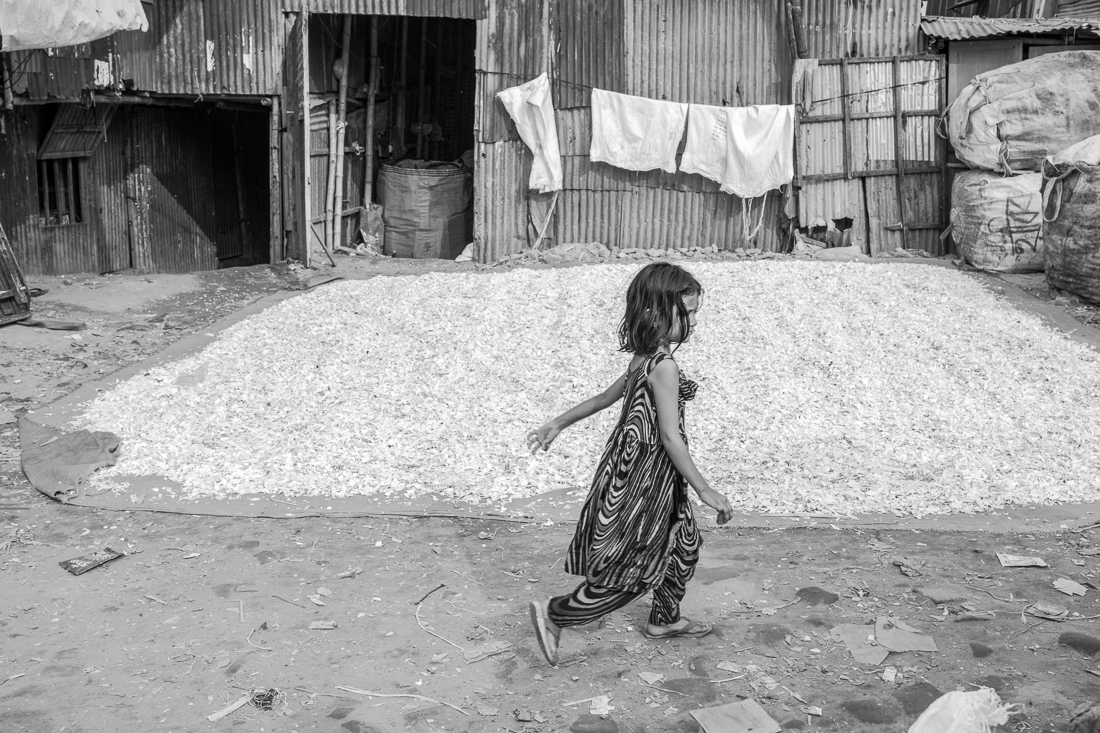
The commercial value of these plastics encourages their recycling, and the daily livelihood of thousands of families in Bangladesh depends on them because it is their only source of employment; although the lack of policies that take care of the management of this type of pandemic waste makes it be treated like any other plastic: it is collected, cut in machines, separated and washed in the waters of the rivers that pass through the city. During this process, these dangerous wastes pass through hands and feet without any protection, which can cause long-term side effects on the health of these people who finally become invisible victims of the pandemic.
AUTHOR: Israel Fuguemann (Mexico)
Professionally trained at the School of Journalism Carlos Septién García and at the Active School of Photography (both schools in Mexico City), Israel Fuguemann is journalist and documentary photographer. In the last years his work focused on social and environmental themes, specially documenting people and cultures in resistance, and the always more extensive reality of extractivism of raw materials (mining, oil extraction, logging and deforestation) He was co-founder and editor of the journal Spleen Journal, Cruel and Dreamy Journalism (a collective Latin American journalistic project). He got a grant to work at the Journalistic Clinic of the Mexican newspaper El Universal. He has also worked as a freelance journalist and photographer for several newspapers and magazines (Proceso, Cuartoscuro, Altäir Magazine, Vice México, Lento Magazine, among others). He won the Latin-American contest of documentary photography 2019 A handful of earth of Cuartoscuro photojournalism magazine. He was the finalist of the Alexis Grant Foundation 2020. Selected finalist in The Guardian Project 2021 for Documentary Photographers and Photojournalists by Lucie Foundation. Finalist of the 2020 Latin American Documentary Photography Contest, "Work and Days". He won an artistic residence (Me Sobra Barrio 2019) in The Image Center in Mexico City, the most important photography gallery in Mexico. In 2021 he made the still photography of the documentary "Letters at a distance" directed by Juan Carlos Rulfo. He has exhibited his photographic work collectively at the Soumaya Museum (Mexico City), The Memory Museum (in Tlaxcala, Mexico), the French Federation by UNESCO (in Paris), among others.
SHARE
Support this photographer - share this work on Facebook.