TITLE: Beauty in Chaos (Series I)
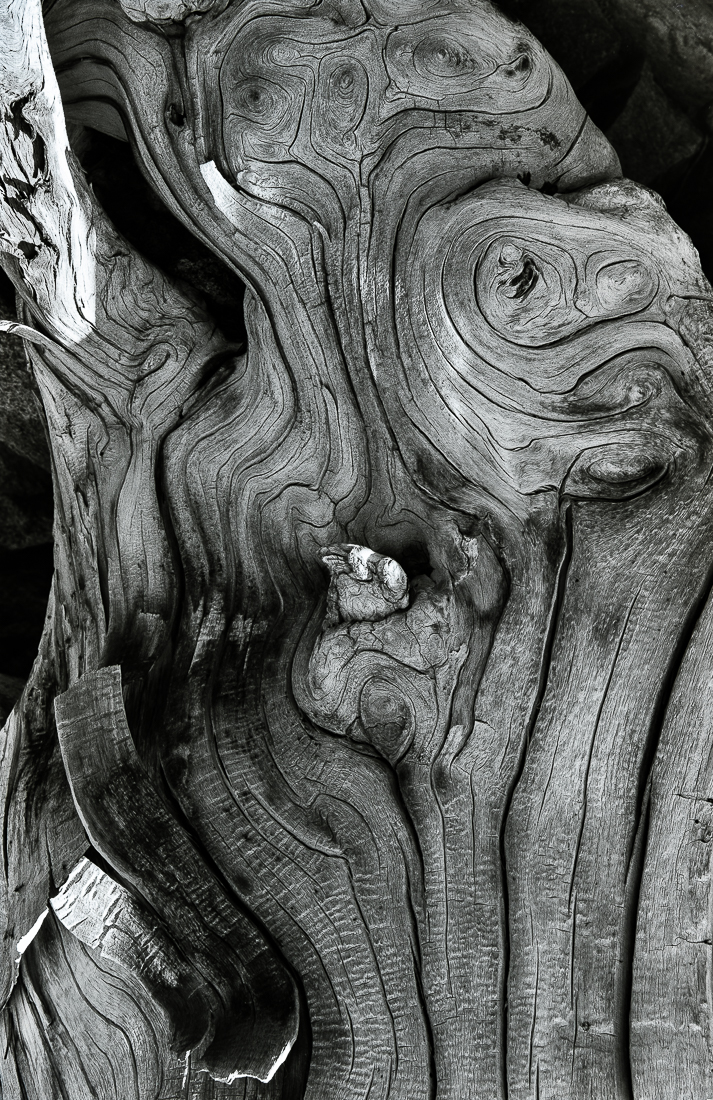
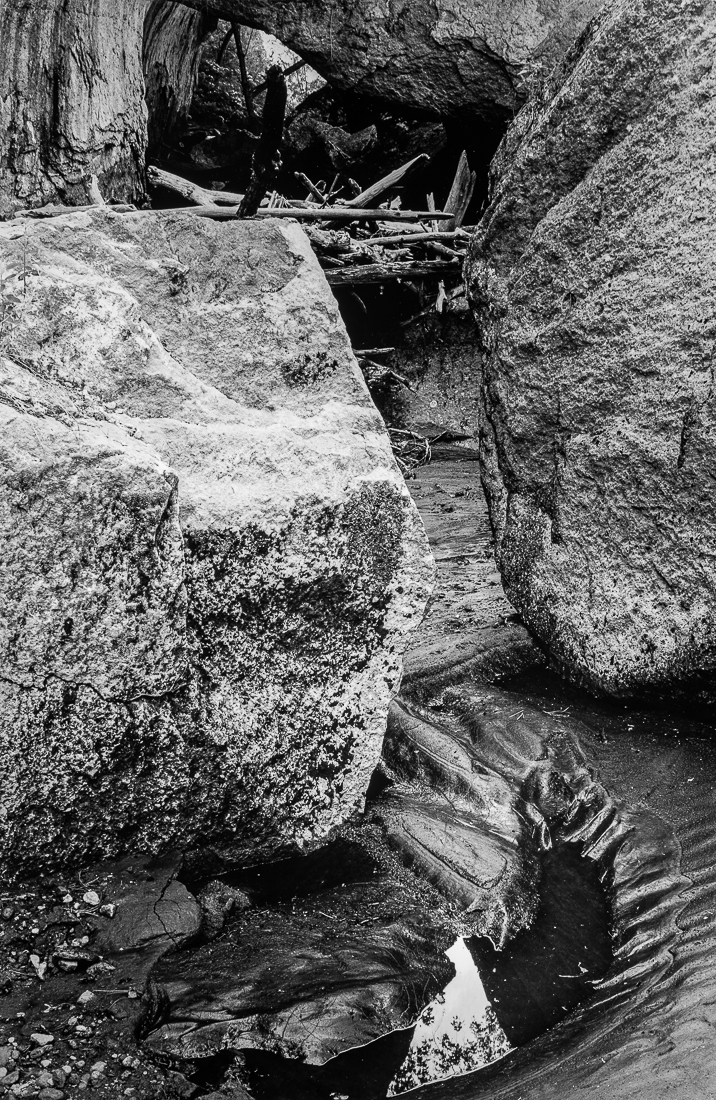
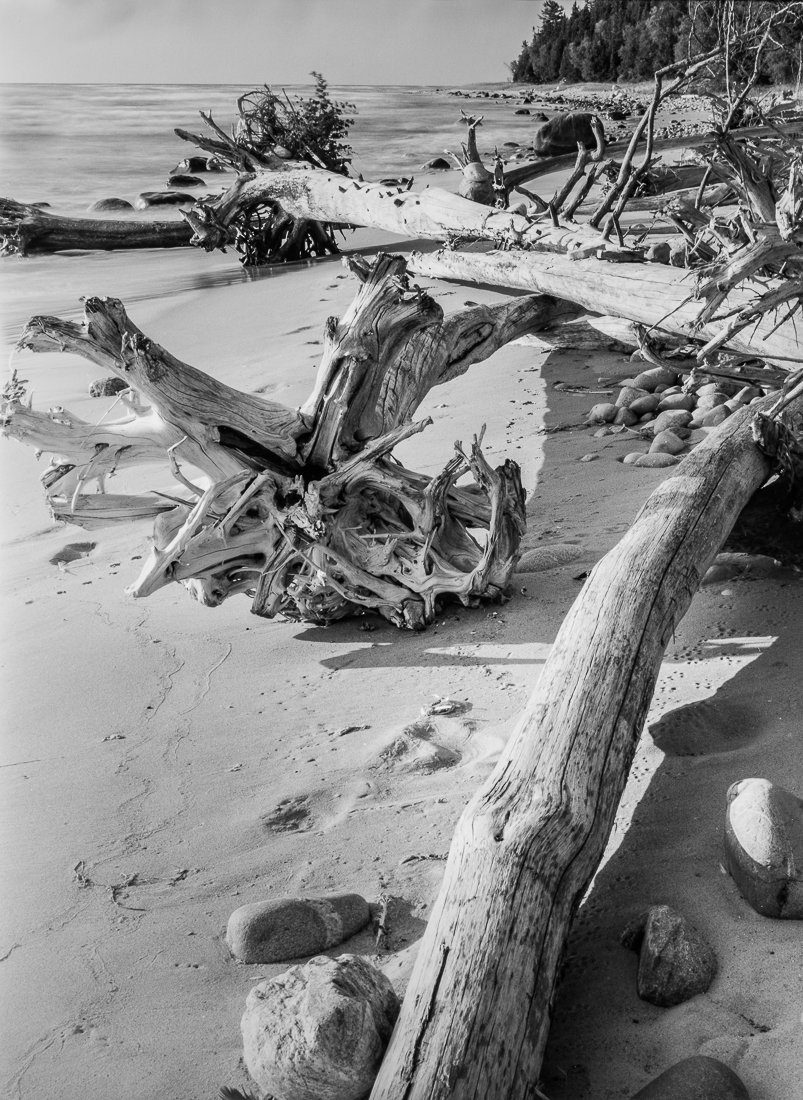
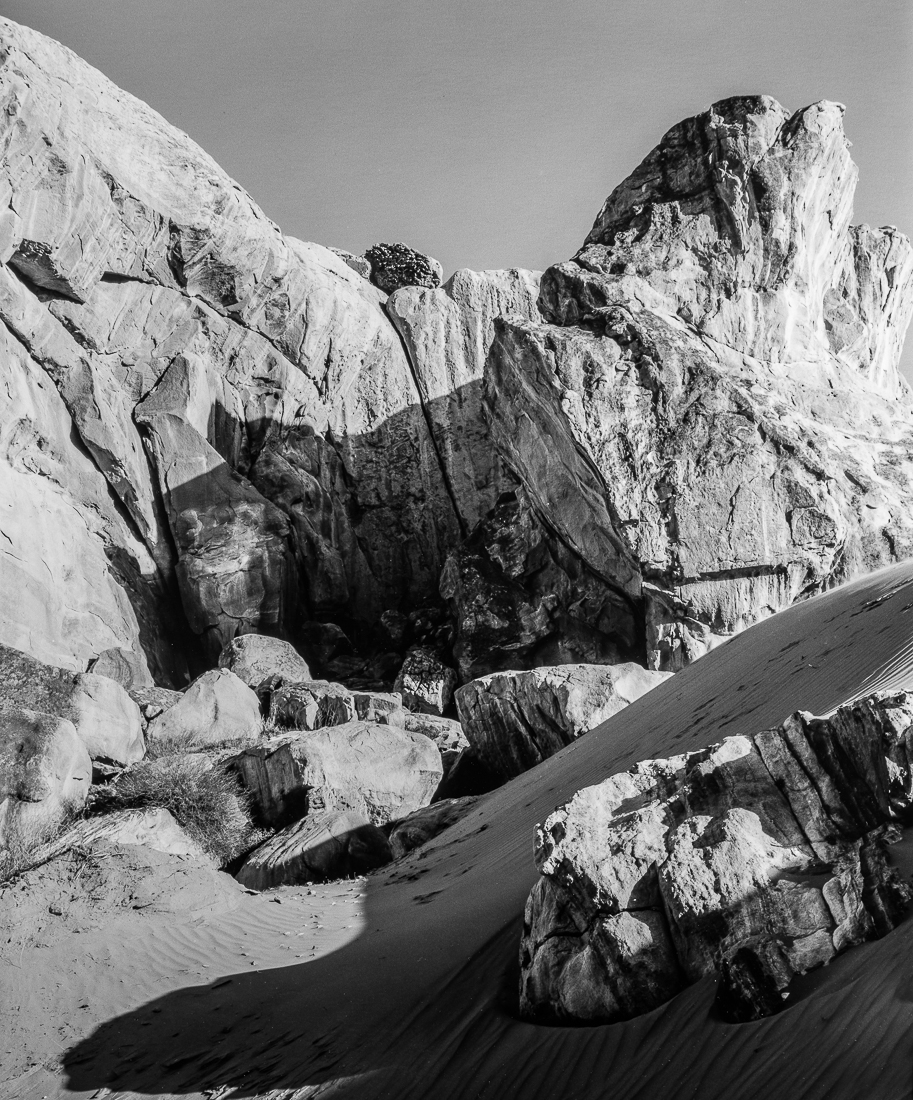
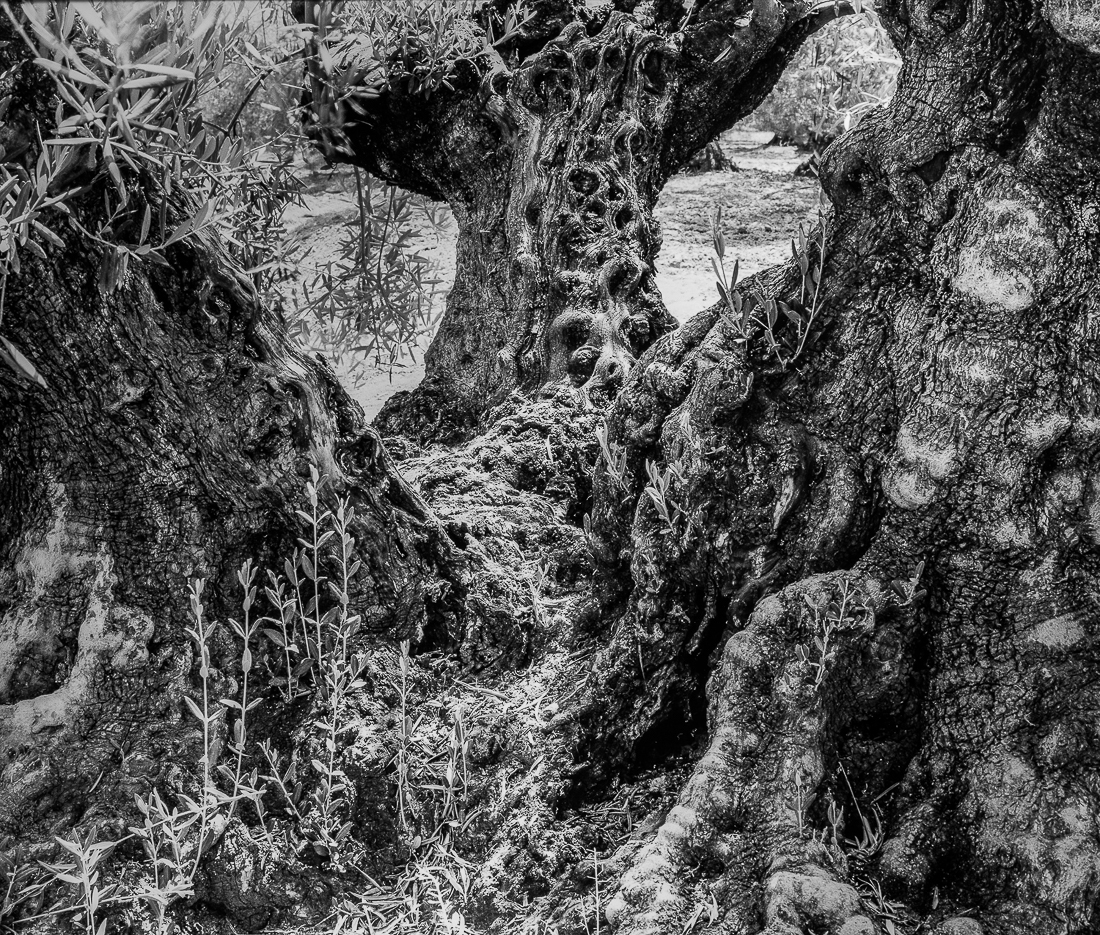
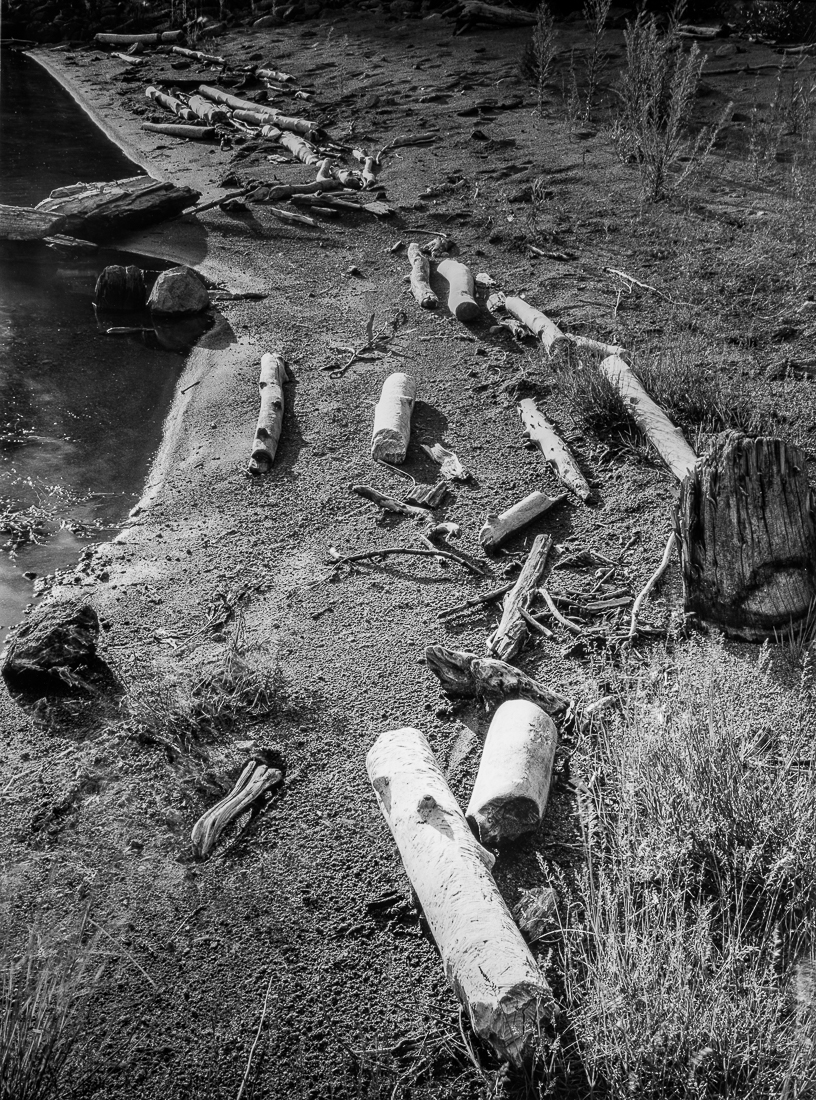
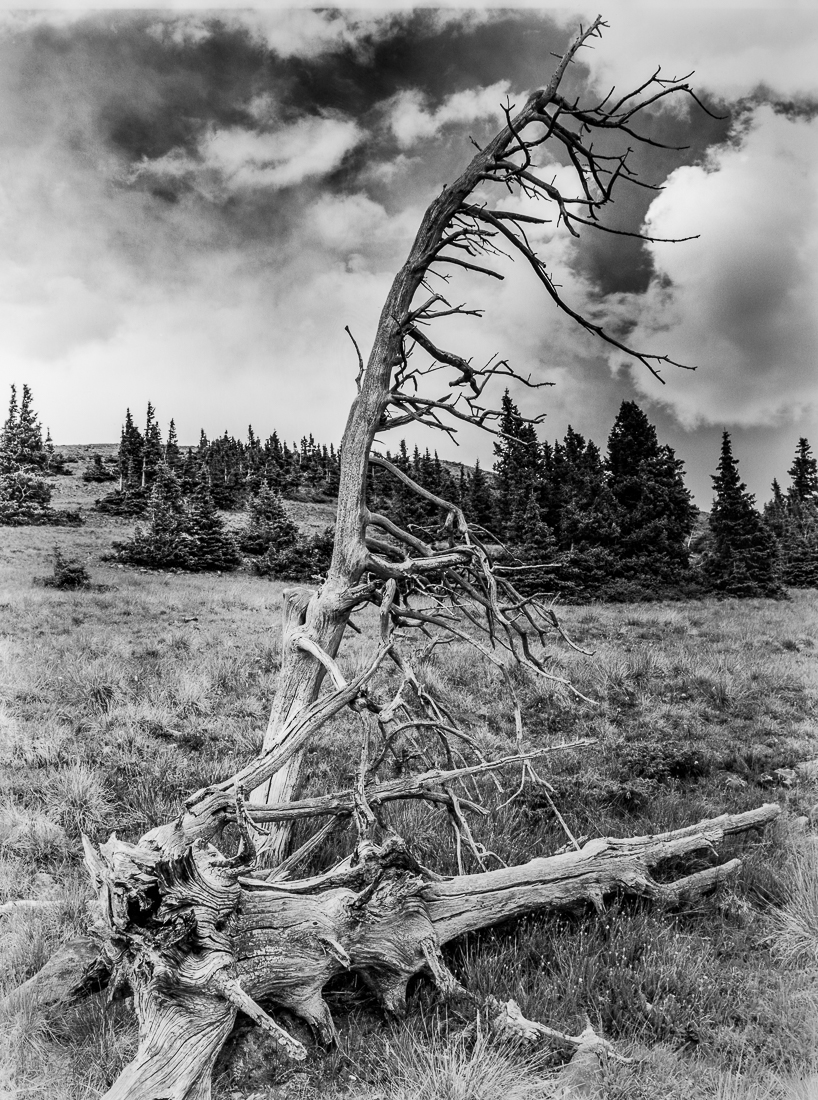
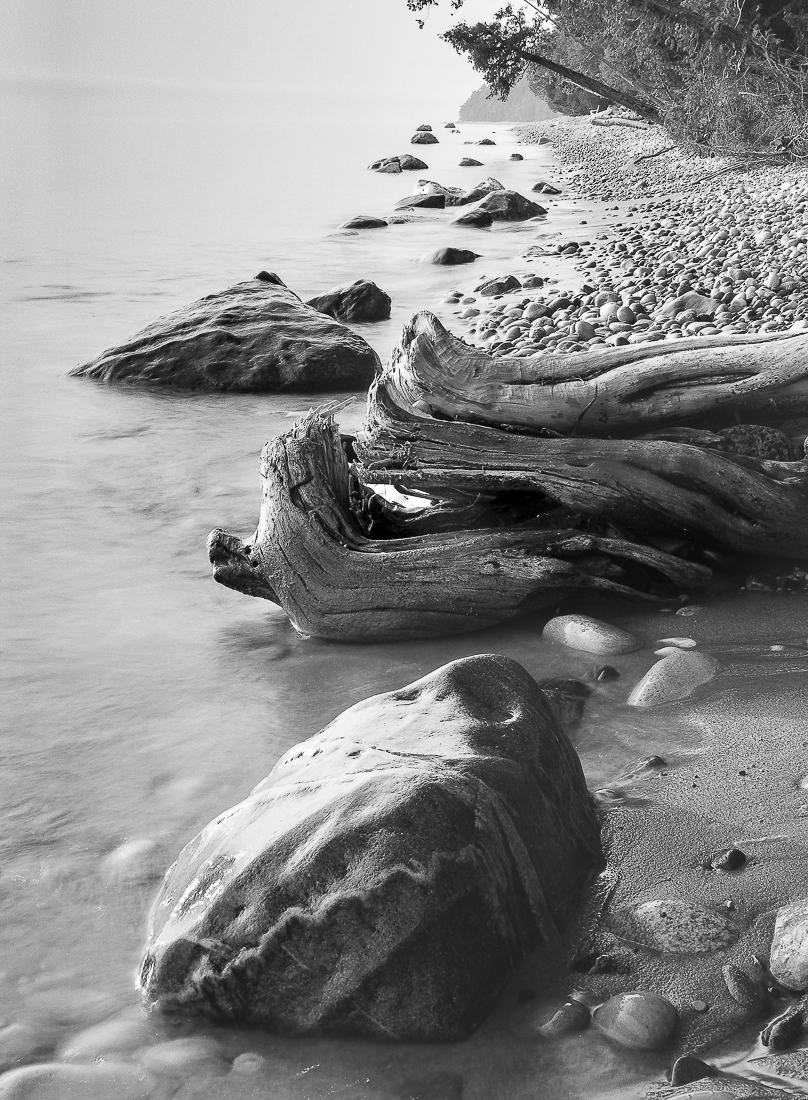
There is grace, beauty and order inherently associated with the pastoral and tranquil sides of nature as effused by a green hillside pasture of quietly grazing cows or a lily pond on a late summer afternoon. A different kind of beauty may be revealed in haphazard arrangements of objects within nature as, for example, trees, logs and boulders deposited after a flood or landslide, and in the asymmetry and helter-skelter of decay associated with the wear-and-tear of aging, the dying and dead. Indeed, this side of nature permeated by varying degrees of “entropy” (or “chaos”) is often nature’s most visible face, and consequently, difficult to ignore, overlook or forget. In light of its omnipotence and ubiquitousness, perhaps nature’s “entropy” should be more often captured head on in photography without any (or at least with only minimal) artist interference and manipulation, thereby rendering the “beauty in the beast” objectively, honestly, and truthfully.
Such photographic images might provoke a sense of uneasiness and disorientation, and could be unsettling or even outright disturbing, rather than evoking a comforting feeling of order, wholeness, symmetry and tranquility. Indeed, viewing nature through this prism may be non-traditional or even heretical in the context of what is traditionally considered to make a pleasing photograph. Clearly, by experimenting with this approach, a knife edge is being traversed with sheer cliffs on both sides. Nevertheless, endeavors to capture and reveal the “uglier” and more “distressing” sides of nature might be attempted, and in so doing, could unveil an inherent hidden grace and beauty at the core (at least, perhaps, to some).
AUTHOR: Kirk Conrad (United States)
I am an amateur outdoor photographer. My interest in and passion for photography initially arose from making pictures for the high school yearbook using a 35mm SLR camera and B&W film. At that time, I learned the basics of B&W film and print, development and processing. Subsequently influenced by Weston, Adams, Porter, and others, I purchased a medium format 2-1/4” x 3-1/4” Mamiya Press Super 23 in 1972. Negatives from 1972-81 were captured with the Mamiya camera. Nearing the end of a long career in biomedical research that began in 1981, I resumed photography in 2012 on a limited basis as time permitted and also purchased a large format 4” X 5” Pacemaker Crown Graphic field camera. Since 2012, I have been using both the Mamiya Press Super 23 and Pacemaker Crown Graphic for B&W film work. In 2012, I also took my Beseler 45MXII enlarger purchased in 1981 out of mothballs, in order to print both the new negatives and the old ones from 1973-81 (the majority of old negatives for the first time). In 2017, I invested in a Fujifilm GFX50S medium format digital camera for color photography. This year (2022), I am also starting 4x5 color film photography. Once fully retired, I plan to pursue B&W and color film, and digital color photography on a full-time basis.
SHARE
Support this photographer - share this work on Facebook.