TITLE: Route 66 – Ruins from a Glorious Past
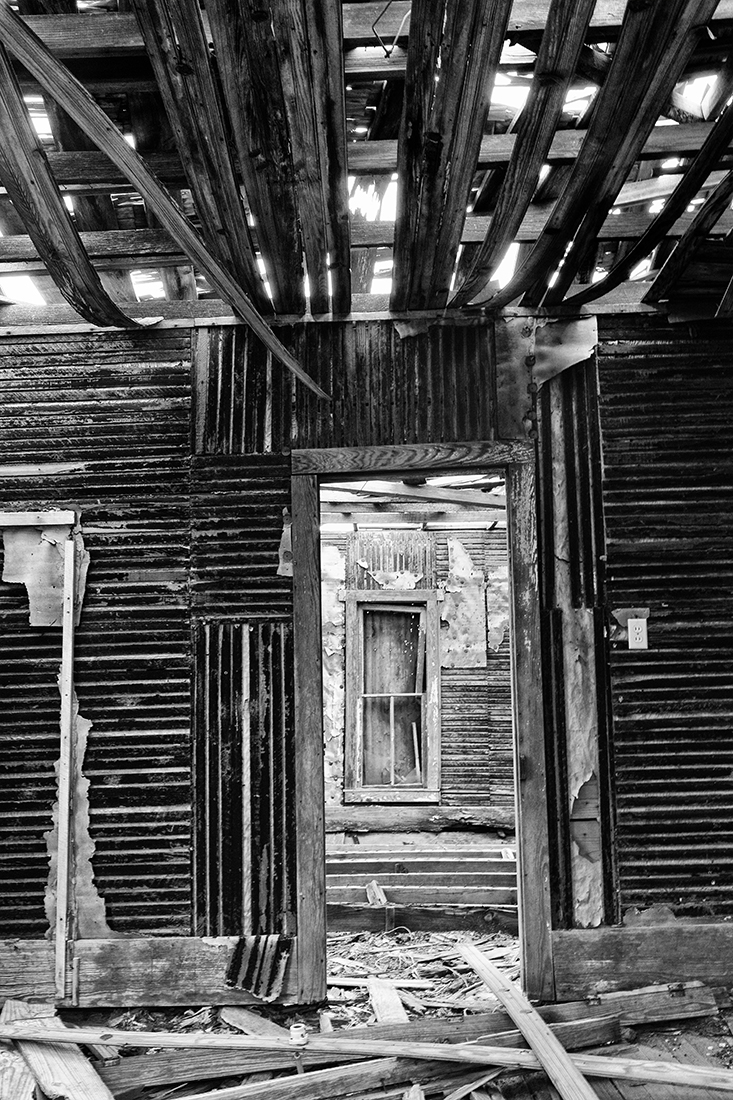
Driving on Route 66 is like boarding a time machine. It is a trip to the past. It is an imagination exercise, trying to recreate in your mind the moments of glory of that ruin in front of you. Most of the time that ruin is nothing but a brief glimpse of those times of glory.
For the American, Route 66 was the “Mother Road”, the national integration road for much of the 20th Century. The road that thousands of hopeless people took after the Great Depression of the 1930s, described by Steinbeck in the famous bestseller “The Grapes of Wrath”.
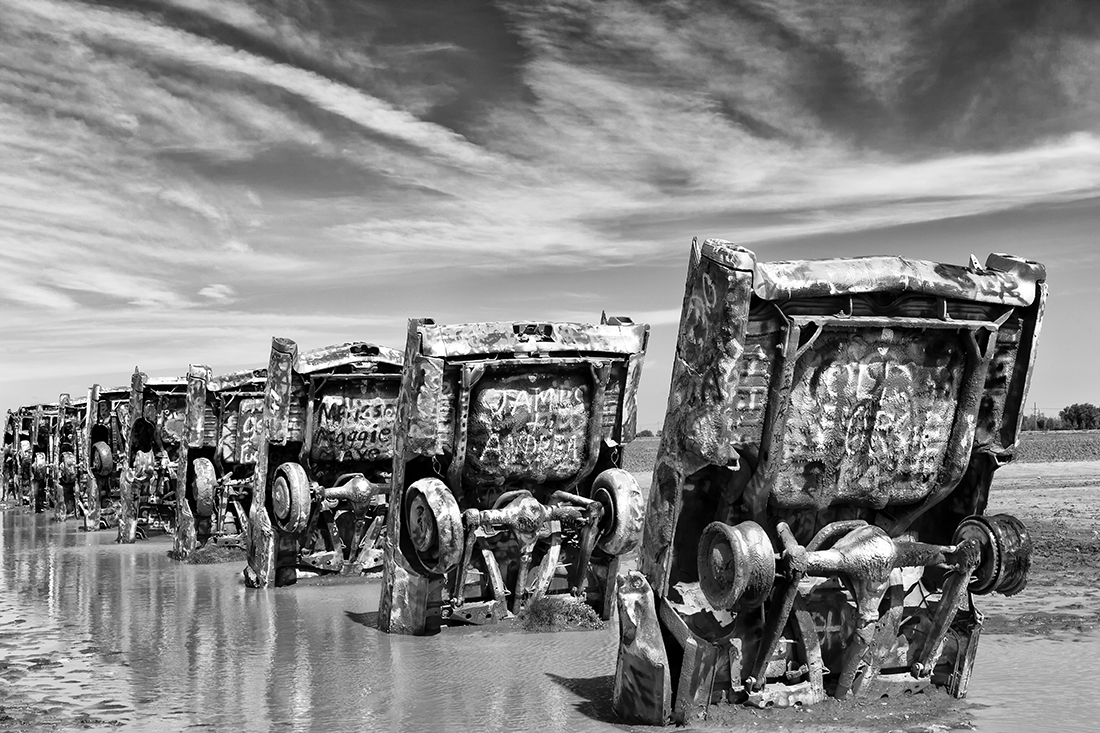
It also represents the glory of the Post-War period, with the kitschy decor and architecture of the 50s, being used by families on holidays, driving their shiny Buicks, Pontiacs, Studebakers and “fishtail” Cadillacs. It is the memory of a past that was discarded by the need to create an infrastructure that would drive progress: the modern Interstates highways.
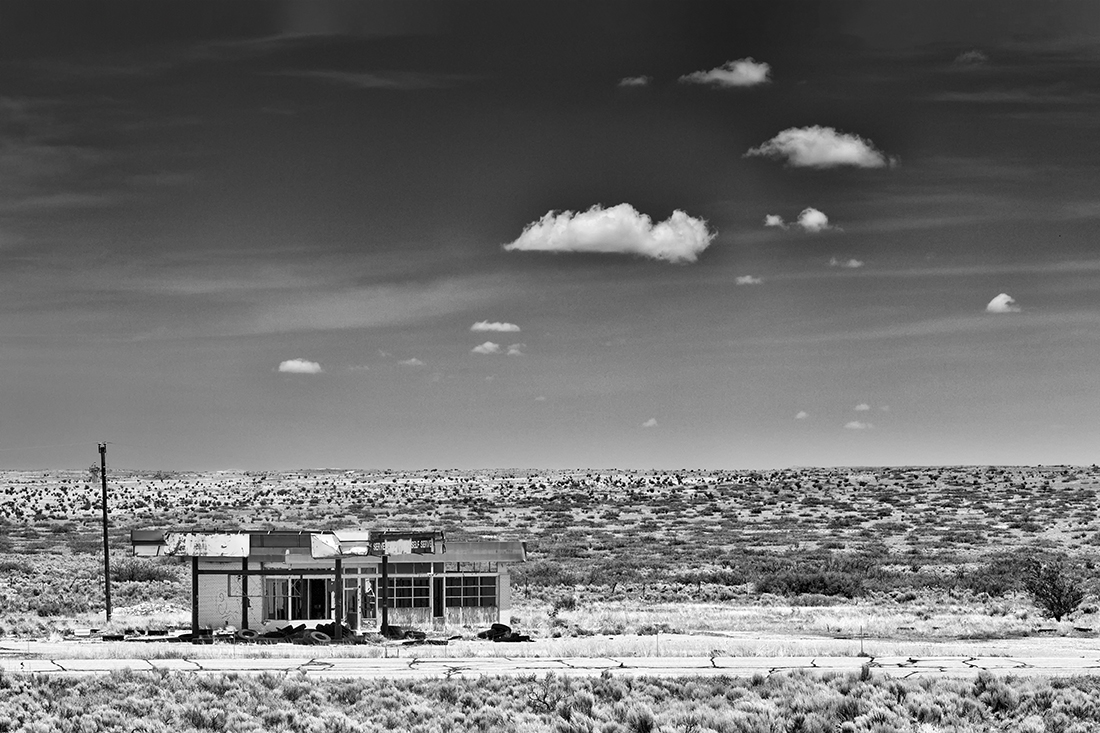
And that narrow, poorly paved road that passed through hundreds of small towns, where the traveler stopped for gas, eat at a cafeteria, spent the night at a motel, fix a flat tire and buy a heap of tacky souvenirs ... gave way to a modern road that quickly linked origin and destination, regardless of the millions of people who lived on the old Route 66.
For those small towns and people who live there, progress and wealth go at 75 miles per hour, pass often less than 500 meters from their doors.
For all who lived on Route 66 in its glorious times, progress has meant ruin, poverty, and inglorious struggle doomed to failure.
AUTHOR: Eduardo Moreira (Brazil)
Edu Moreira is passionate about photography, especially landscapes.
He began as self-taught in 2003. Since then, he begun to focus seriously on developing his photography skills, seeking to improve his technique and challenging himself to raise the quality of his photos at every opportunity.
His inspiration draws on the great masters of landscape photography, especially Ansel Adams, Eliot Porter and Edward Weston. Among contemporary photographers, Galen Rowell, Michael Frye, Marc Adamus, as well as the Brazilians Sebastião Salgado and Araquém Alcântara, are instruments of studies in search of photos that fascinate by their beauty. Above all they can convey the magic, the beauty and the mystery of images around the world.
Some photographers have a uniform and recognizable style. Edu Moreira is not one of them. His images are not restricted to landscape photography, depicting a wide variety of subjects.
One of his areas of great interest is abstract photography, where his imaginative eyes capture the beauty of lines and geometric forms present in our daily life that a common observer can not perceive.
In 2014 and 2015, he lived in Miami, having the opportunity to improve his technique with some great American photographers like John Batdorff, Kurt Budliger and Robert Chaplin.
He has participated in several individual and collective exhibitions. In January 2017, he received 3 Honorable Mentions at the 2016 Monochrome Awards, competing with 8121 photos from 81 countries.
As a travel lover, Edu had visited more than 50 countries. Recently he photographed in Patagonia, Morocco, Iceland, Tanzania and several other countries. For him, "photography is an excellent excuse to set foot on the road"!
SHARE
Support this photographer - share this work on Facebook.