TITLE: Resilience at Spiti
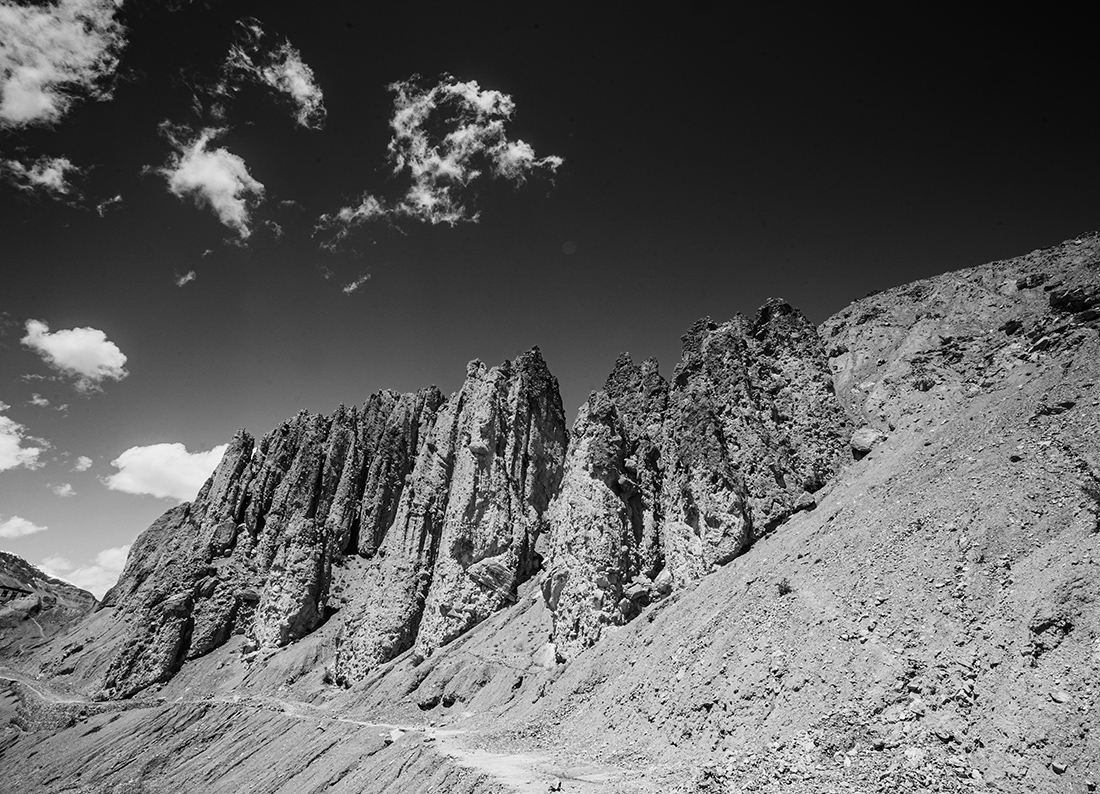
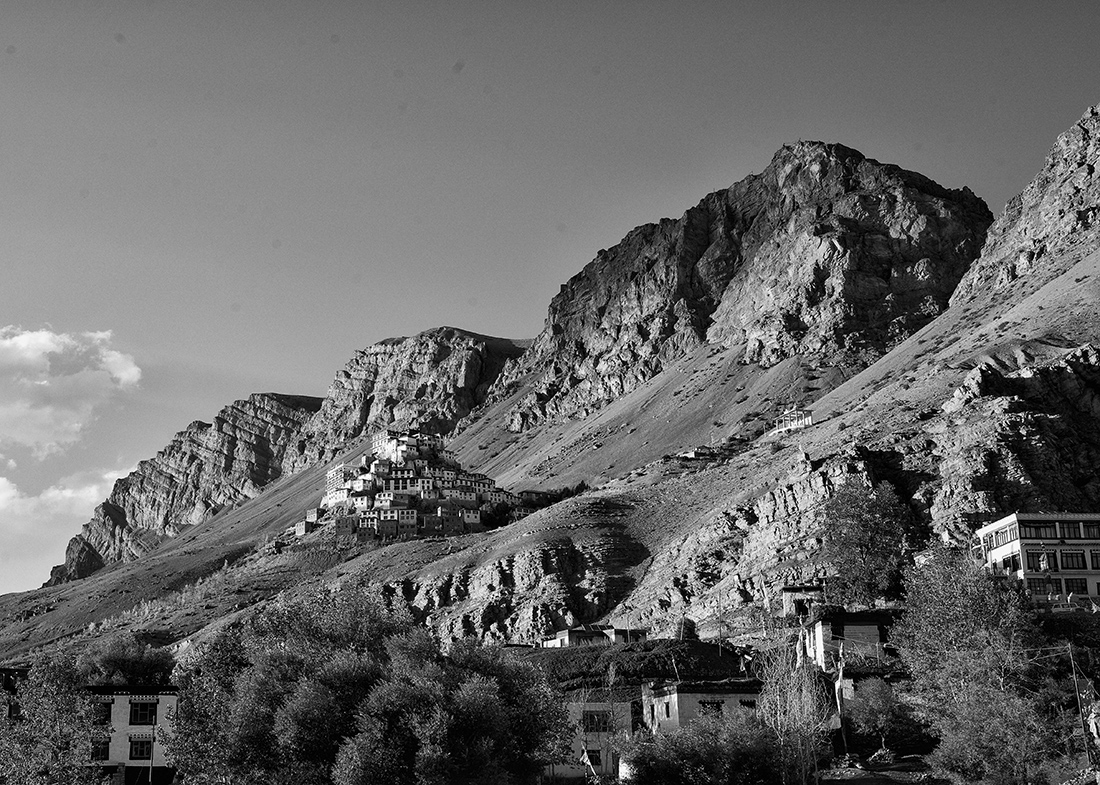
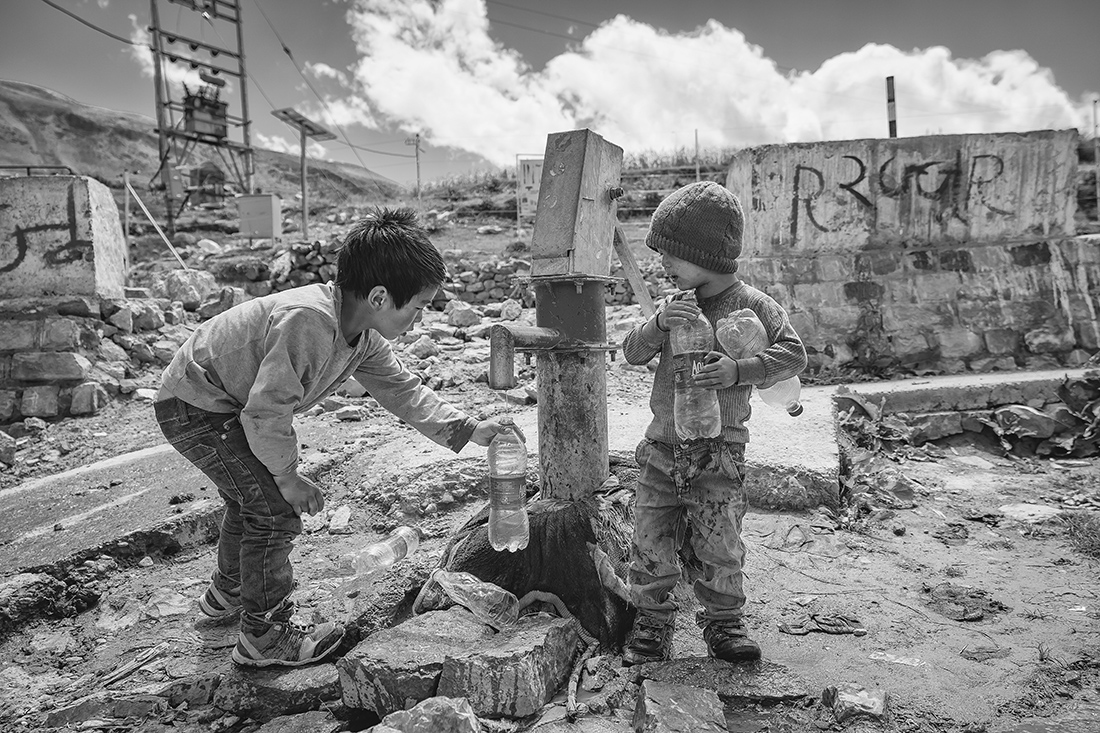
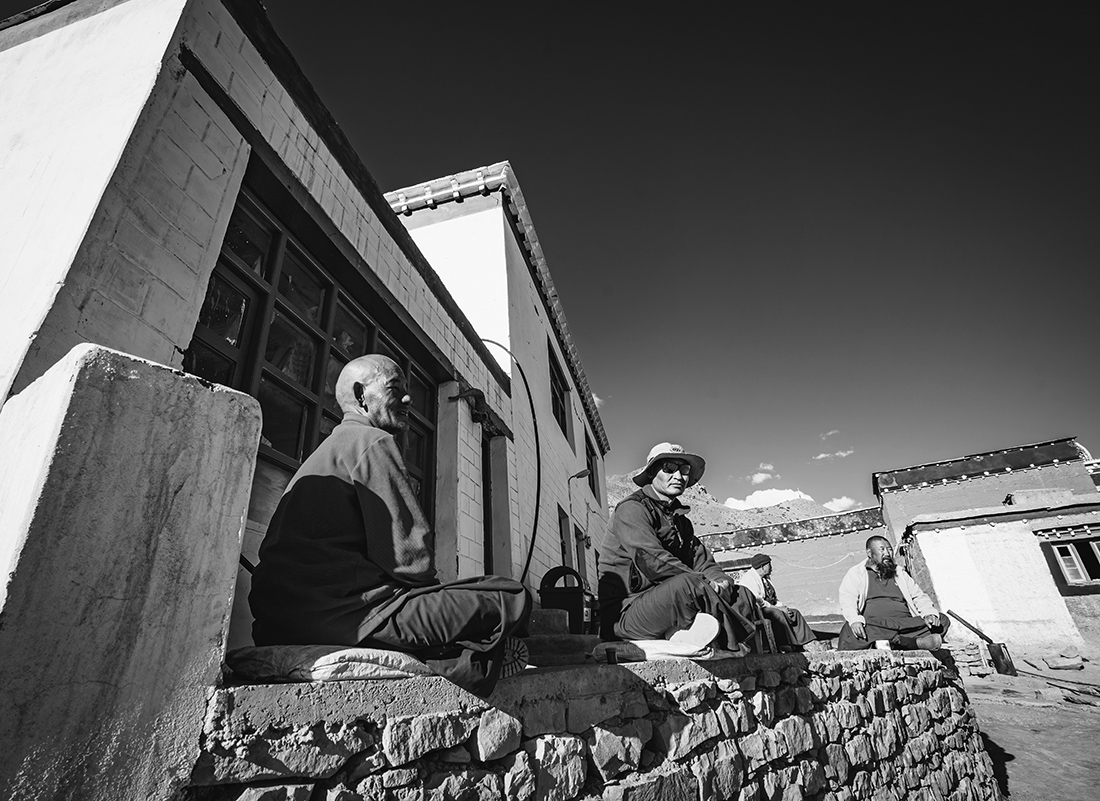
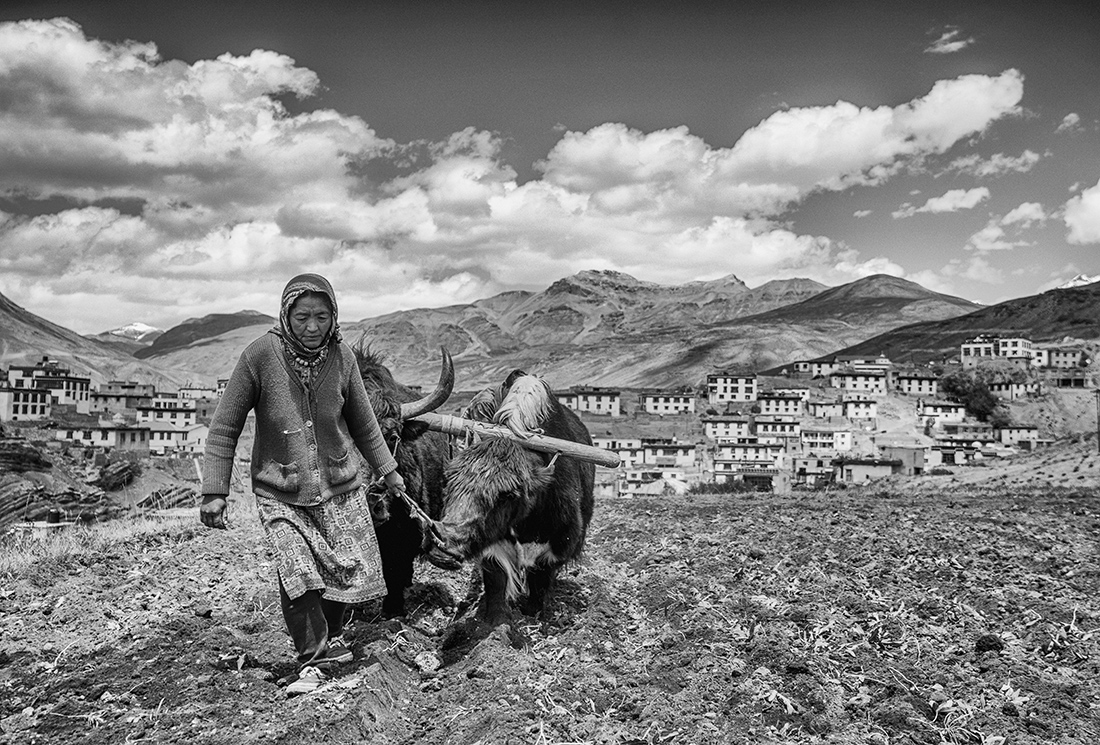
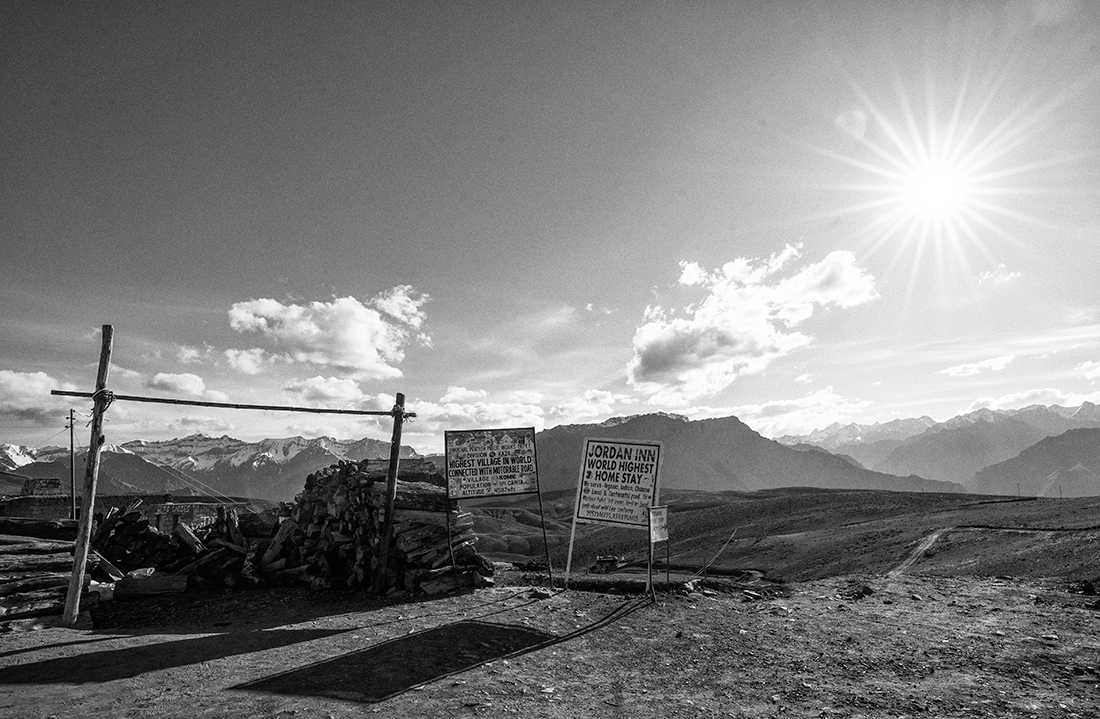
Spiti is one of the highest cold deserts of the world, situated in the heart of Himalayan range in Indian subcontinent. The landscape carved by extreme geological formation resembles the central disc of flower, petal flanked by Himalayan range on the sides, from which it derives the name. The natives primarily follow a Buddhist way of life, in close harmony with nature. While the yaks are domesticated for cultivation, the land is home to the very few endangered species of the world like ibex and snow leopard. Most travellers feel acute lack of oxygen when they reach such height as they travel to the highest connected village in the world. Spiti gets covered under thick snow and disconnected from civilisation half of the year, the landscape is prone to continuous landslides, yet the villagers of Spiti are ever ready to face everyday odds.
At Spiti valley, nature’s resilience reflects our own yearning for strength against storms sullying our lives. This can be witnessed amongst the bare magnanimity of the Himalayan valley. Resilience is a metaphoric attempt at instilling a sense of rugged pushback against our storms, very much like its landscape and the people who are a part of it. The people of this valley were a conscious reminder of what it is like to appreciate what you have. Resilience exhibits nature is home to lessons about life, beauty, and happiness.
AUTHOR: Sayantan Ghosh (India)
Sayantan Ghosh is an Indian photographer based out of Mumbai, India. His childhood training in Fine Arts, his training as an engineer later in his life converged the world of digital photography over past decade. Finding his passion in diverse Indian landscape and culture, he usually works in environmental portrait photography.
SHARE
Support this photographer - share this work on Facebook.