TITLE: Cult of the Holy Saints or Legend and piety
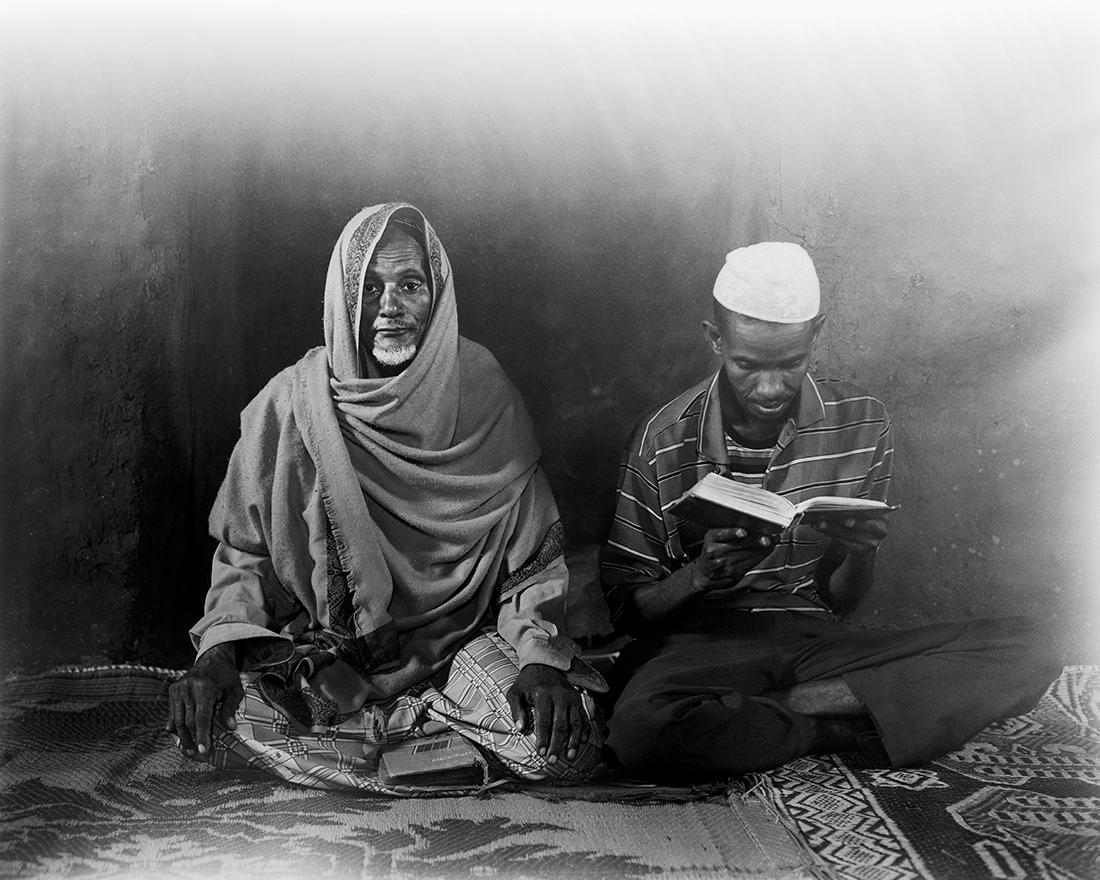
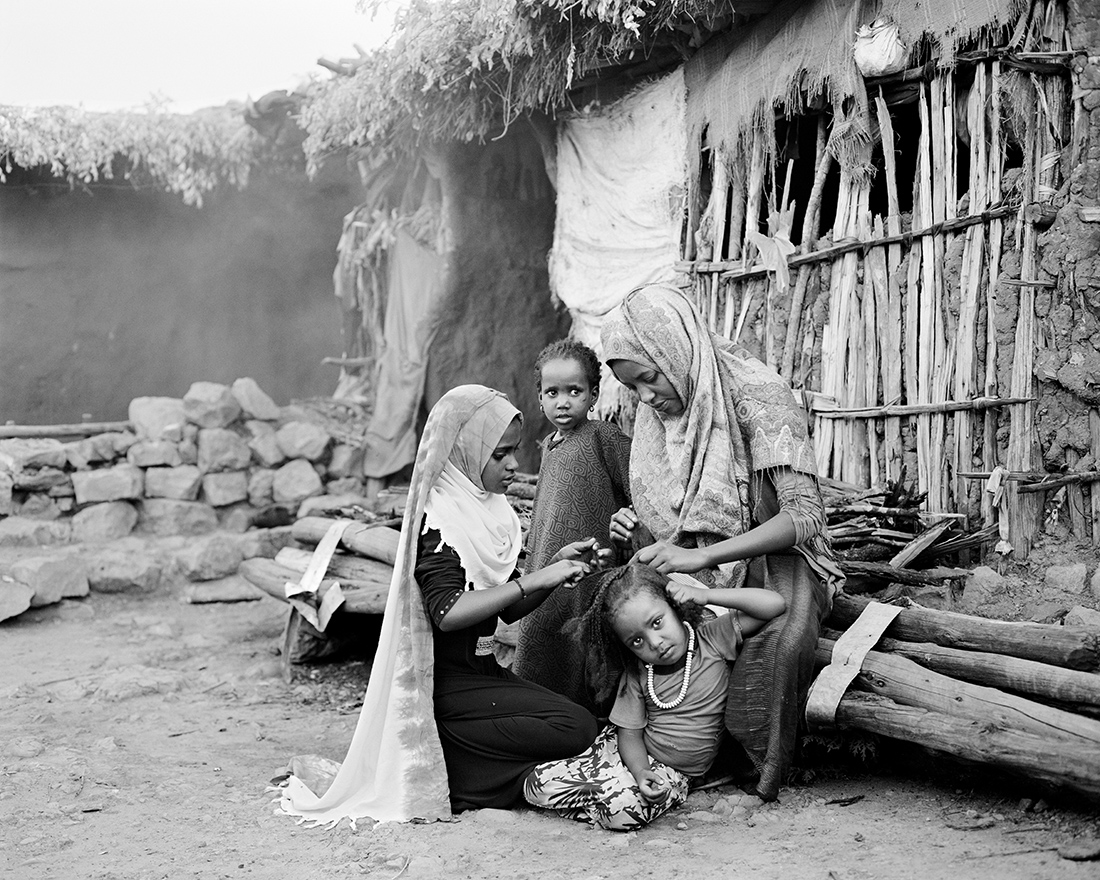
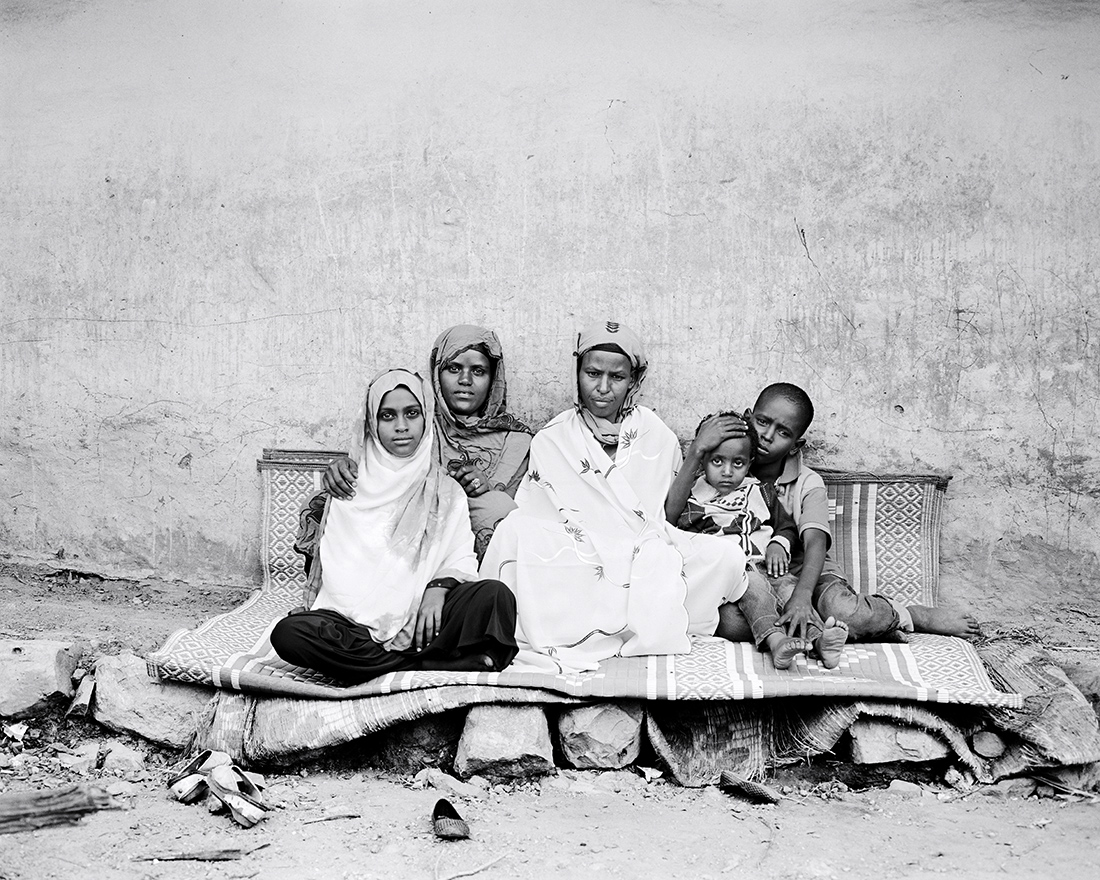
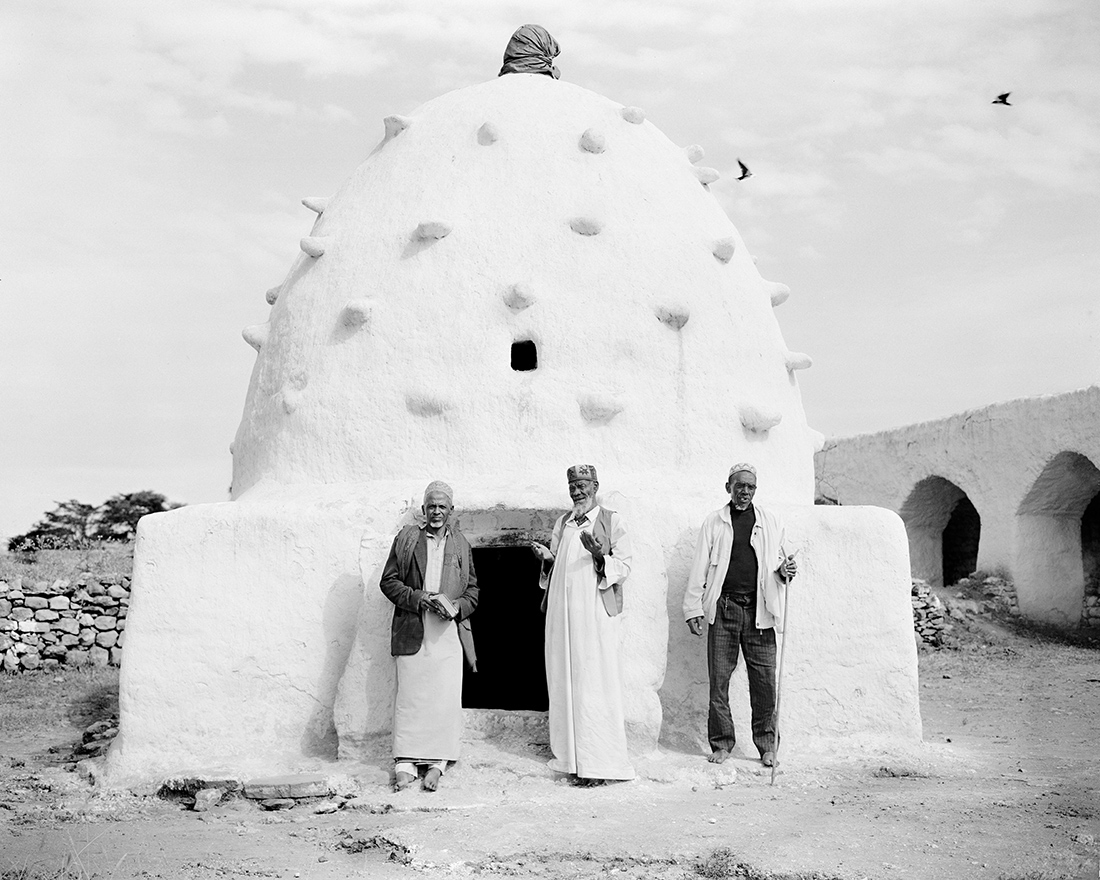
It is better to reach Dirree Sheek Huseen on foot, as it is the pace of man and cattle: a rhythm conducive to reflection. To reach this location is to connect with a place of worship and the men and women who live there. It is also a place to come in contact with the 50,000 pilgrims who come here twice yearly.
The town is named after Sheek Nur Huseen, a legendary and mythical character who crossed the country performing all kinds of miracles. His peregrinations came to an end at Diree where he founded a madrasa numbering 6,666 students.
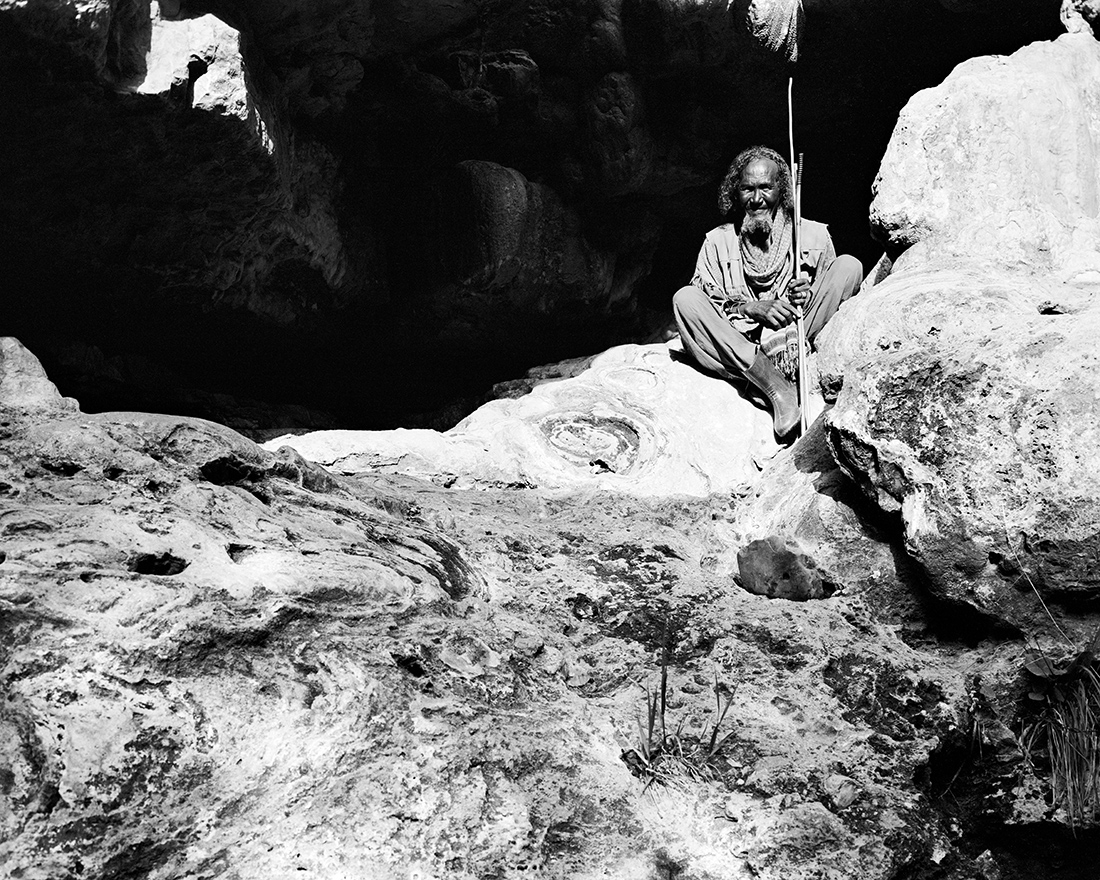
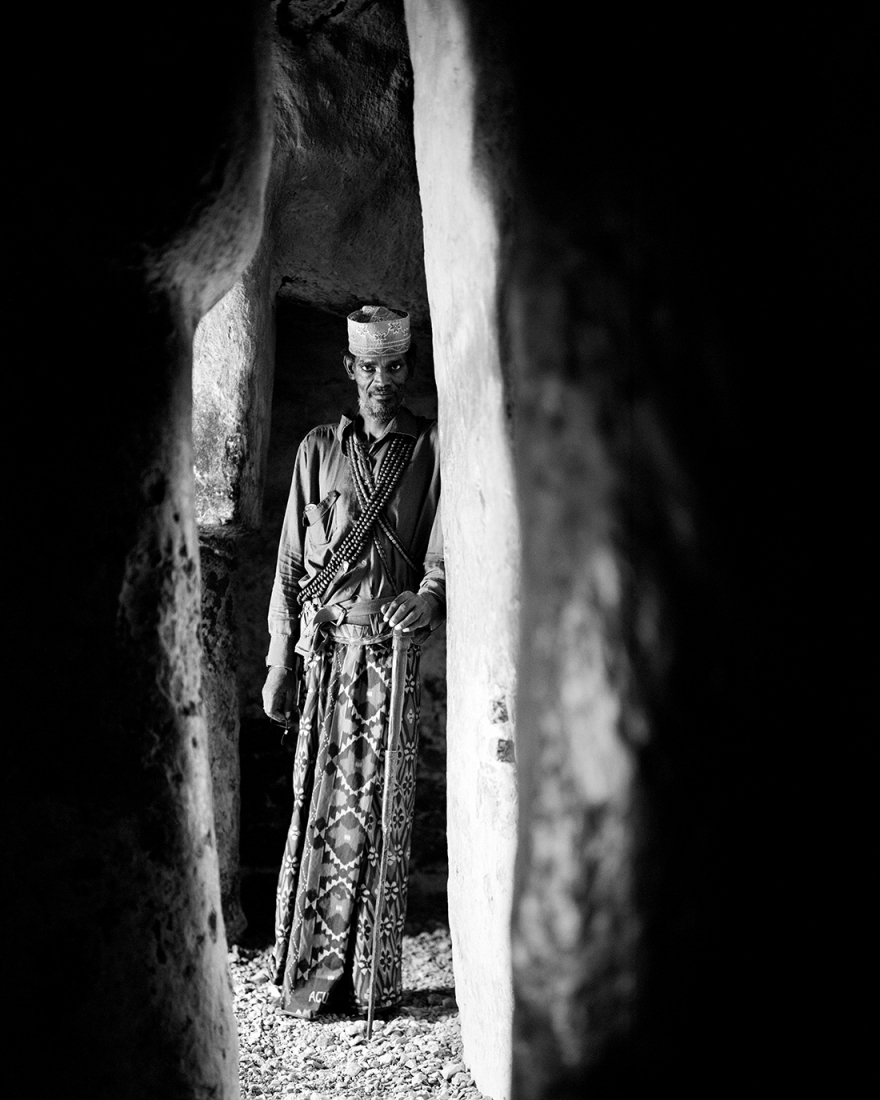
Amongst the miracles attributed to him, one must note the deviation of the Shabele River that was blocking his route. He deviated it with the help of his stick. This stick is the same one the pilgrims carry. It is characterized by a v-shaped upper extremity (called ‘Ulle Sheek Huseen’).
More extraordinary is the legend that recollects when Sheek Huseen went by foot from Dodola, in the Bale region, to the place where he founded his city. There is a mountain at Diree Sheek Huseen that has the same shape and dimensions of the Dodola Mountain, thereby the saying that the mountain followed the man, and for this reason it is included in the holy sights that can be seen in the region.
Pilgrims come from all over Ethiopia to Dirree Sheek Huseen to mourn on the saint’s tomb. The emplacement is a testimony to the many miracles he accomplished...
"Have they, then, never journeyed about the earth, letting their hearts gain wisdom, and causing their ears to hear? Yet, verily, it is not their eyes that have become blind - but blind have become the hearts that are in their breasts" (Quran 22:46)
Ilford HP5+ sheetfilm 4x5", Focal 150mm
AUTHOR: Eymeric Laurent-Gascoin (France)
Eymeric Laurent-Gascoin is a committed, self-taught photographer. Since 2006, he has made many voyages on a personal initiative, as well as humanitarian missions accomplished with MSF (Médecins Sans Frontières), which have opened him up to the world. The reality of the consequences faced by displaced populations in the context of the wars he had to come to grips with, had a profound effect on him. The idea, followed by the desire to capture on film faces, human beings, scenes of everyday life naturally came to be without any kind of premeditation on his part and the option of film, as opposed to numeric photography, quickly became apparent as the best choice. The film approach with its surprises and especially the incapacity to discover immediately the photo are finally illusionary constraints that really give the photographer added freedom.
The urge to testify brings him to the people, the women, the children, may they be from Mogadishu, Peshawar, Misrata… displaced, fleeing the combats, the armies or the militia, with a motivation completely free of the kind of ‘sensationalism’ produced by photographing wounded, mutilated bodies arriving at a hospital…
A camera, even film-based, does not replace a retina, nor a brain or a heart
SHARE
Support this photographer - share this work on Facebook.