TITLE: Blackness and Blackless
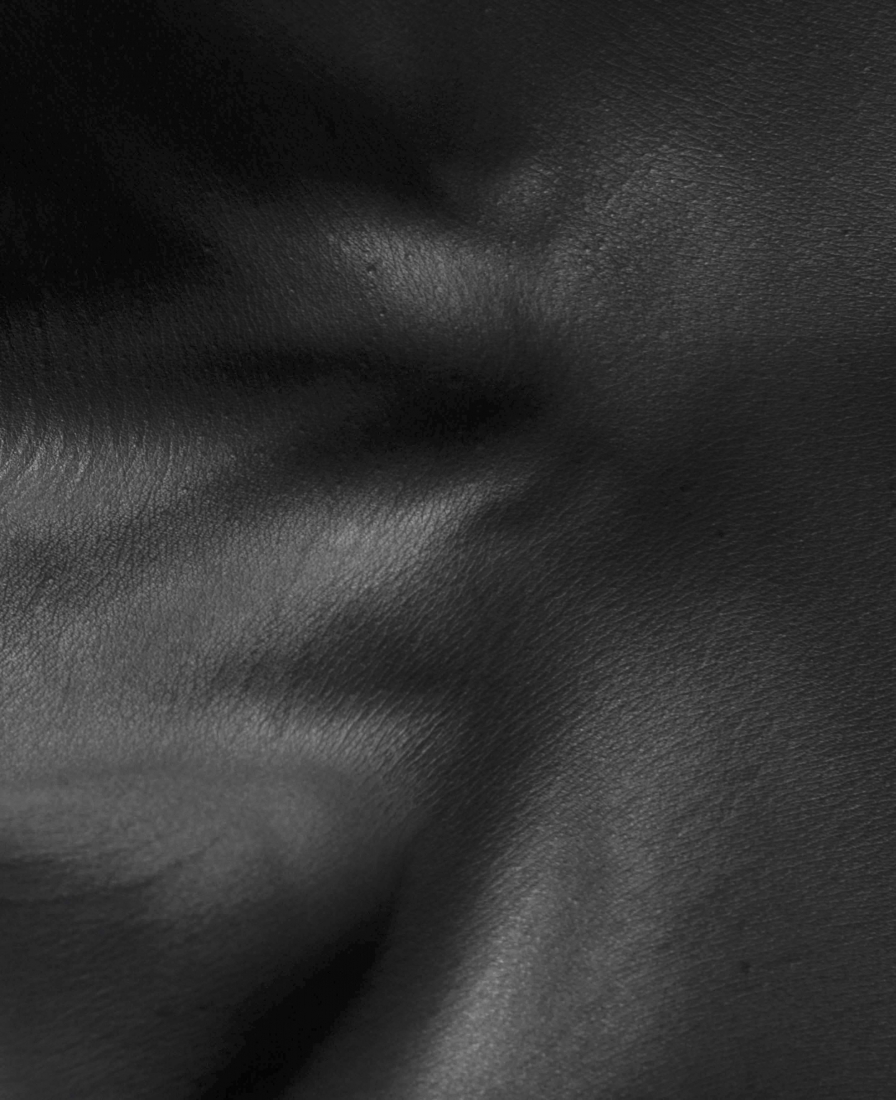
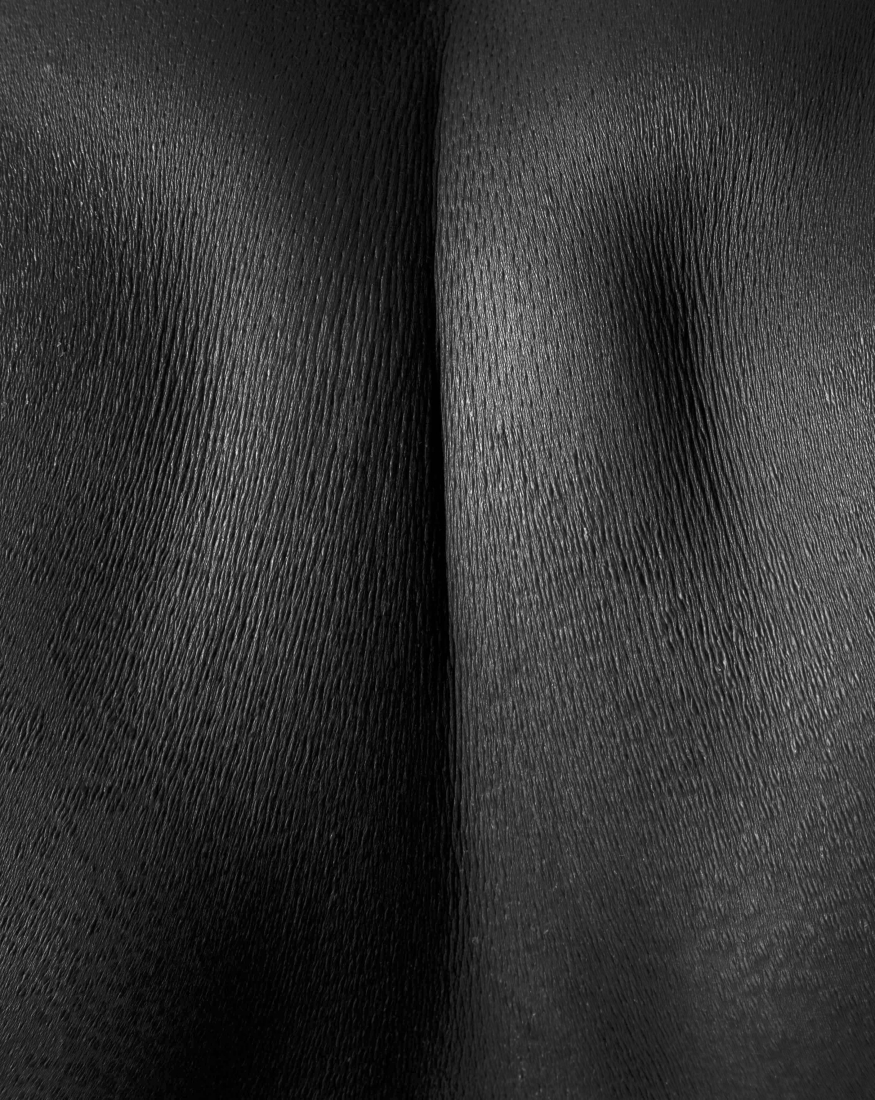
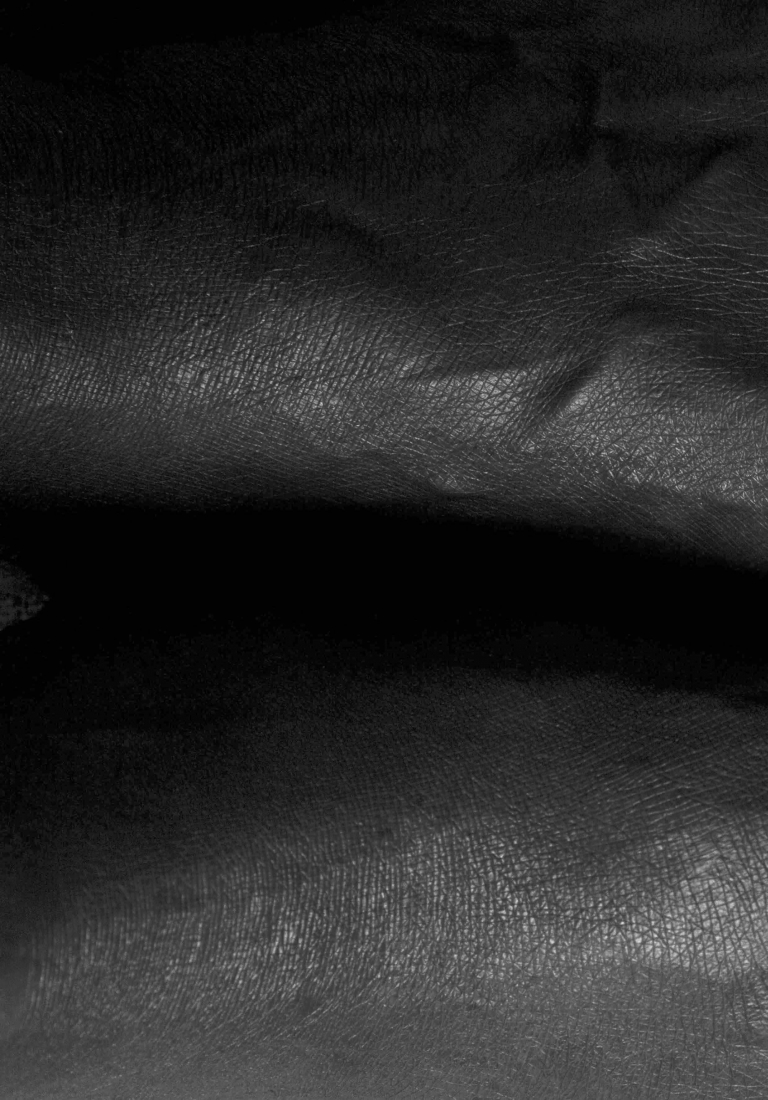
Our skin is above all an organ whose appearance varies from one individual to another, according to the genes and the experience of the person. It can be hairless or hairy, smooth or wrinkled, immaculate or marked. As for its color, it can be more or less dark or more or less clear, depending on the degree of melanin concentration in our epidermis.
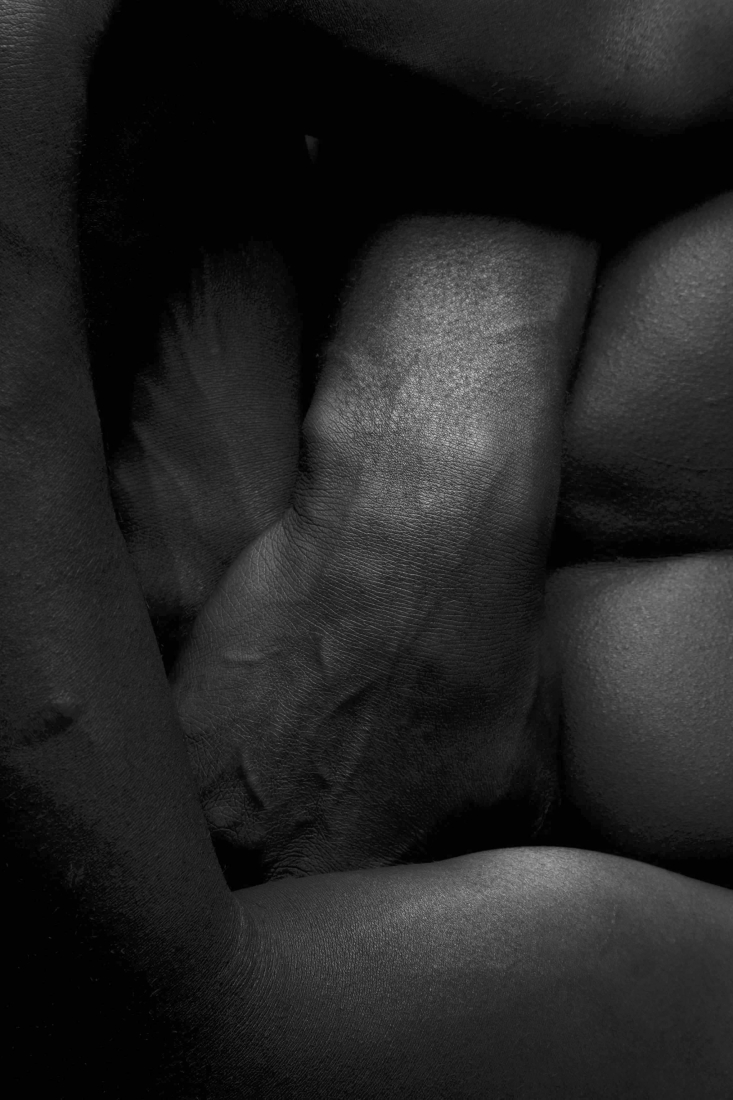
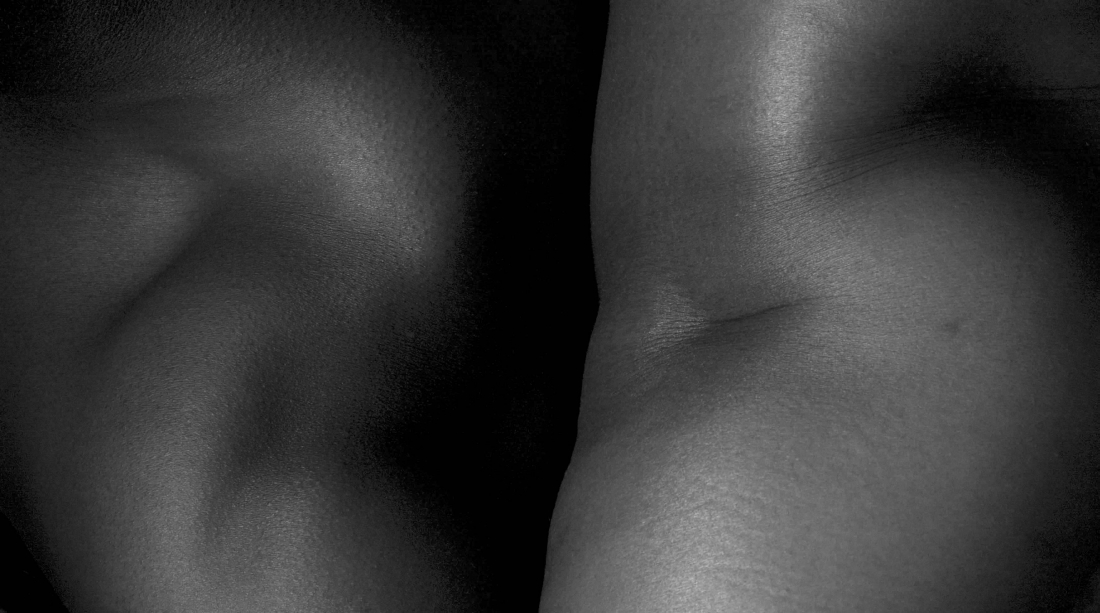
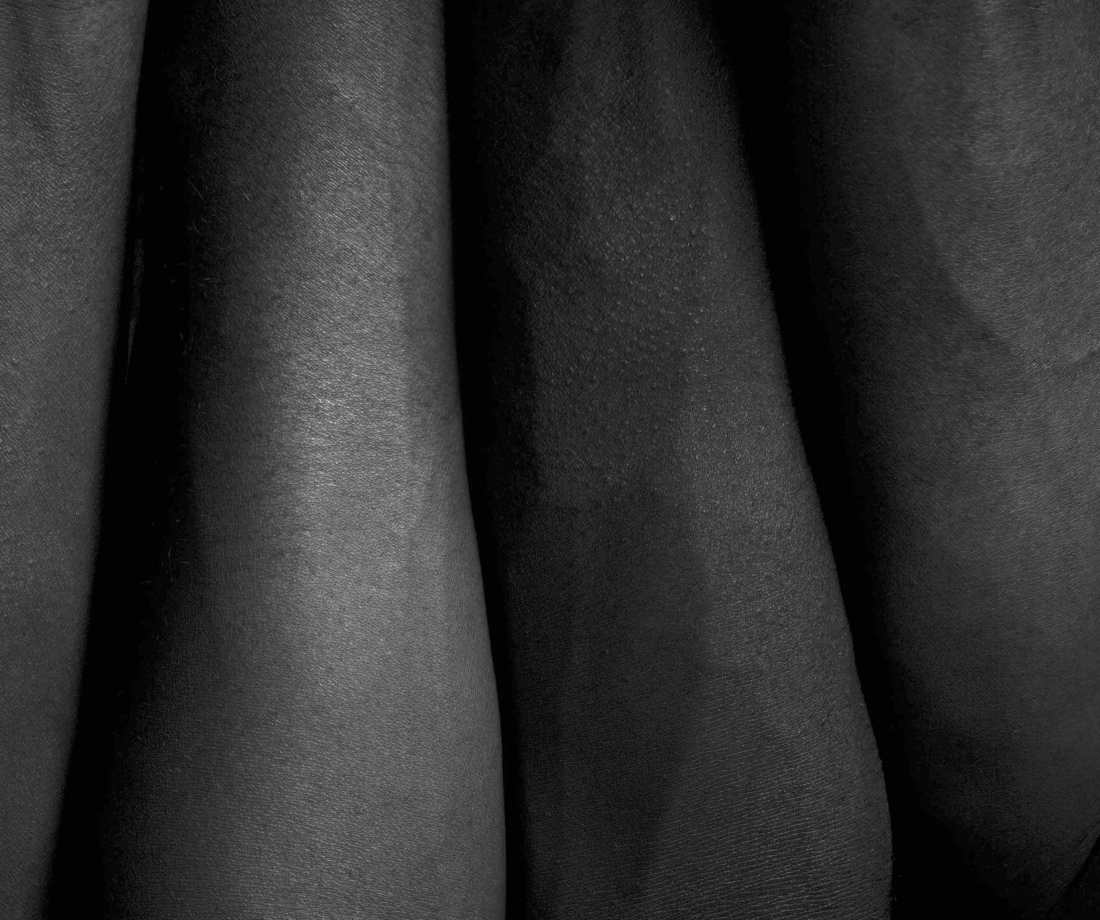
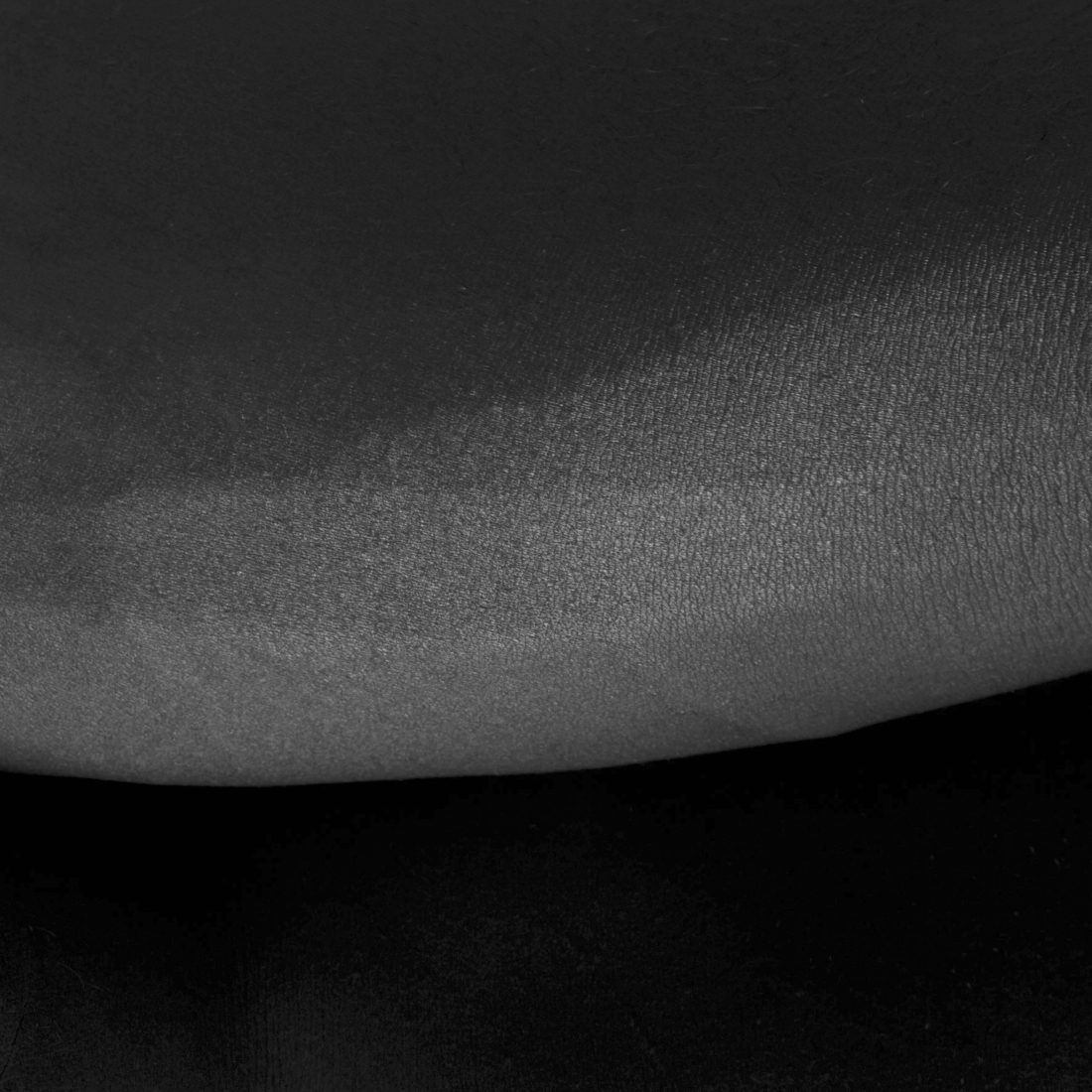
But the color of our skin is more than just a physical attribute. It is subject to a classificatory perception fed by stereotypes, at the origin of racist opinions and behavior. Through this series of photographs devoted to "black" skin, Gilles DUSABE embarked on a reflection that proposes to consider the skin color beyond what is visually apparent.
Even though the concept of race is biologically unfounded, races exist as social constructs. For "black" peoples, it is in the context of European colonialism and that of North American slavery that their existence as a "black race" has been forged. To all those men and women with more or less dark skin, be they ebony, coffee with milk or chocolate, the oppressor has stuck a common label. In order to justify his system of domination, he assigned them a racial identity, conceived on the basis of his own stereotypes.
In our contemporary societies, racist positions openly assumed publicly have become rare. However, races as socio-political structures that can be sources of discrimination have not disappeared.
AUTHOR: Gilles Dusabe (RWANDA)
Born in 1976, Gilles DUSABE is a Rwandan-Swiss artist, living and working between Kigali (Rwanda) and Geneva (Switzerland).
Trained at the Glasgow School of Art in Scotland and then at the Kitakyushu CCA in Japan and at the Royal Academy of Fine Arts in Brussels, he changes materials and forms of expression according to his inspiration, choosing the appropriate medium for each work, the one that will suit his concept best.
A frequent traveller and committed humanist, Gilles DUSABE is an attentive observer of his time, sensitive to the different issues that affect the lives of his contemporaries.
He derives his inspiration from striking encounters, upsetting experiences, disturbing realities or shocking news. These everyday life events feed his permanent reflections on issues such as personal freedom, social justice, equity, tolerance or human rights, pathways that eventually give rise to challenging works, sometimes disturbing but which seldom leave the spectator indifferent.
Over the years, his works have steered a course between photography, video, sculpture, painting, installations and happenings, with always in the background, this desire to question our perception of the world. However he also likes to consider himself a storyteller of his time and a guardian of the collective memory.
SHARE
Support this photographer - share this work on Facebook.