TITLE: We are Gypsies
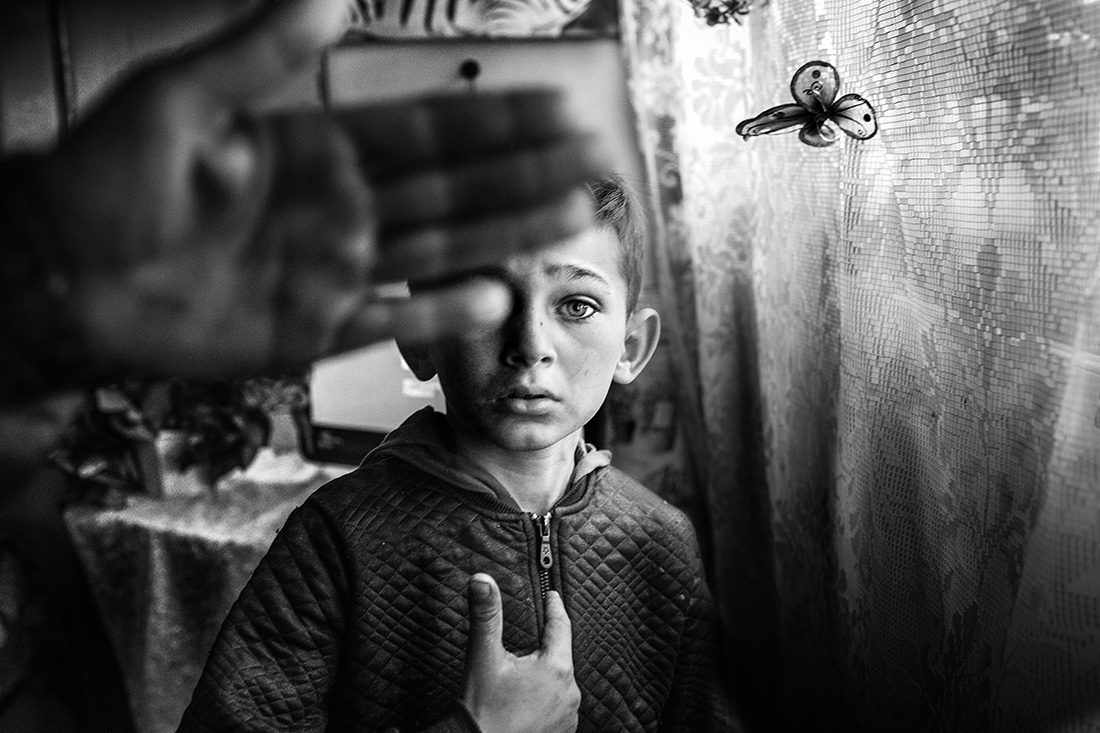
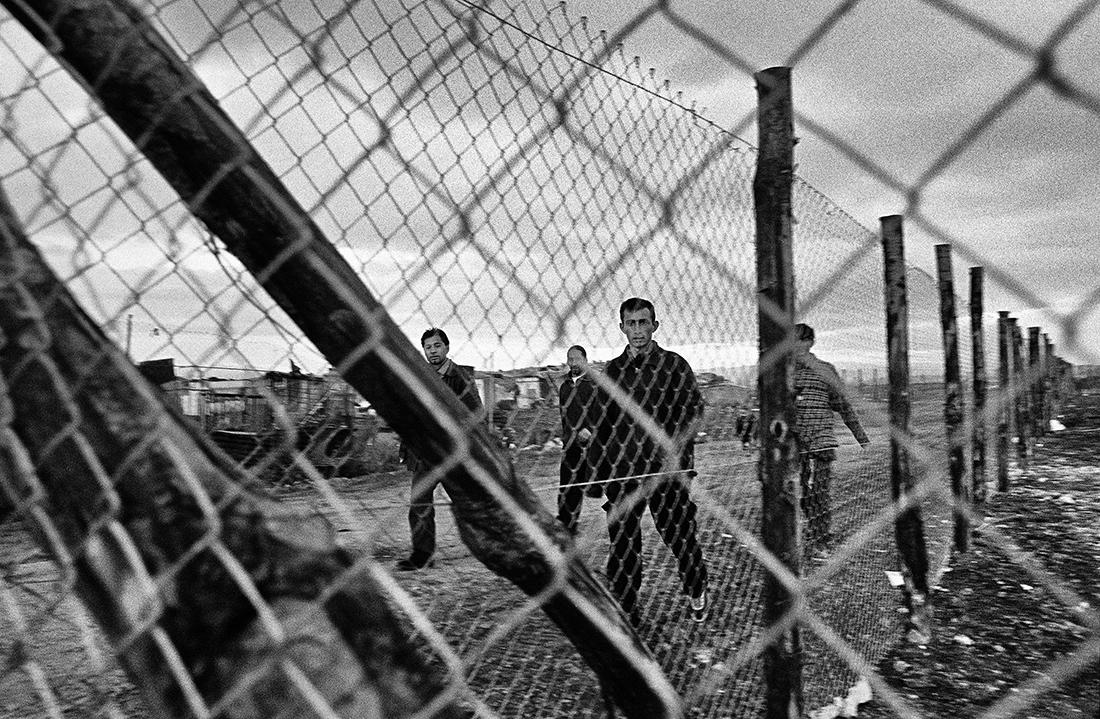
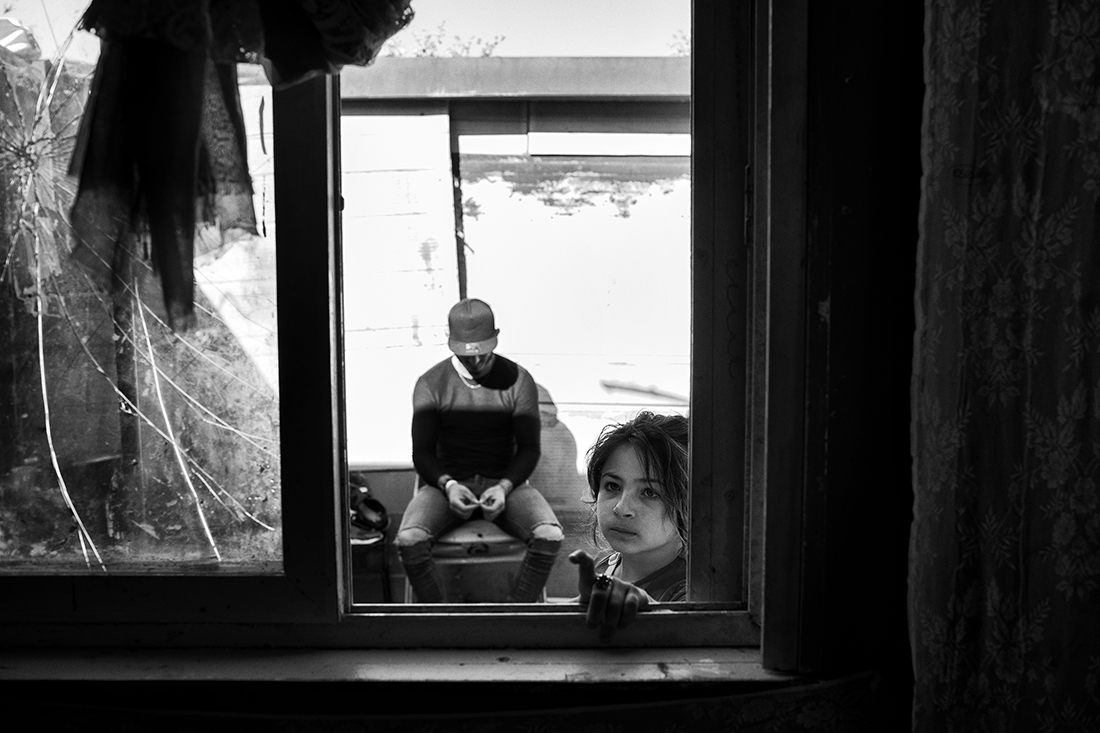
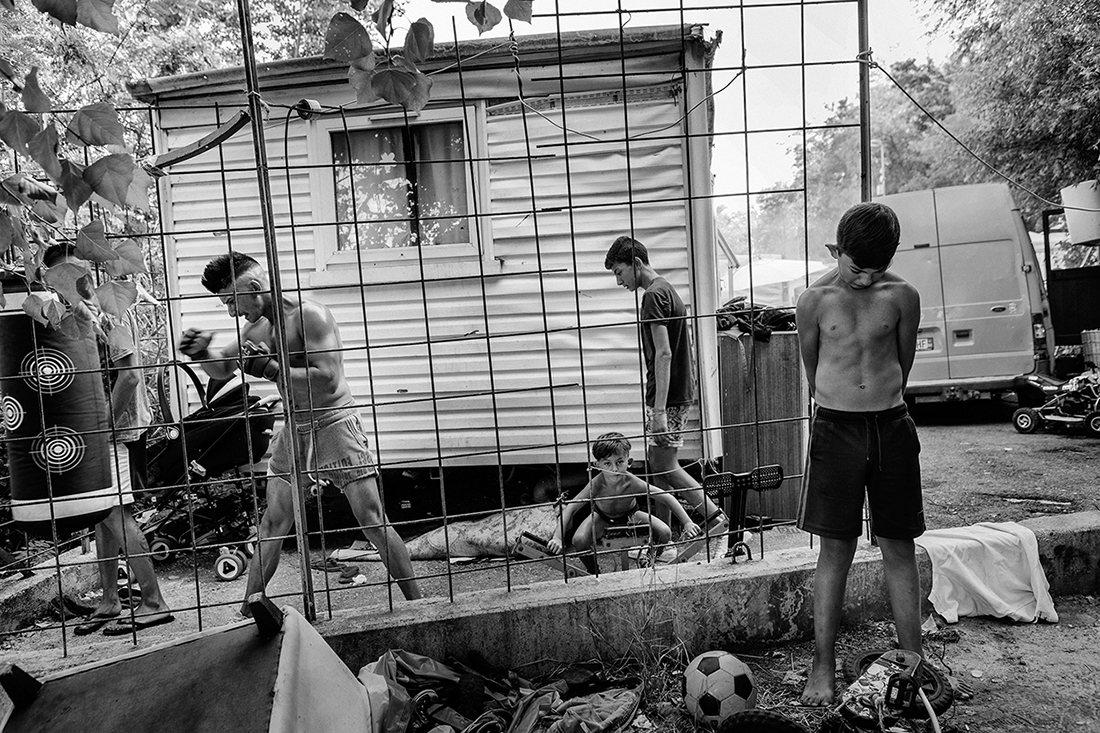
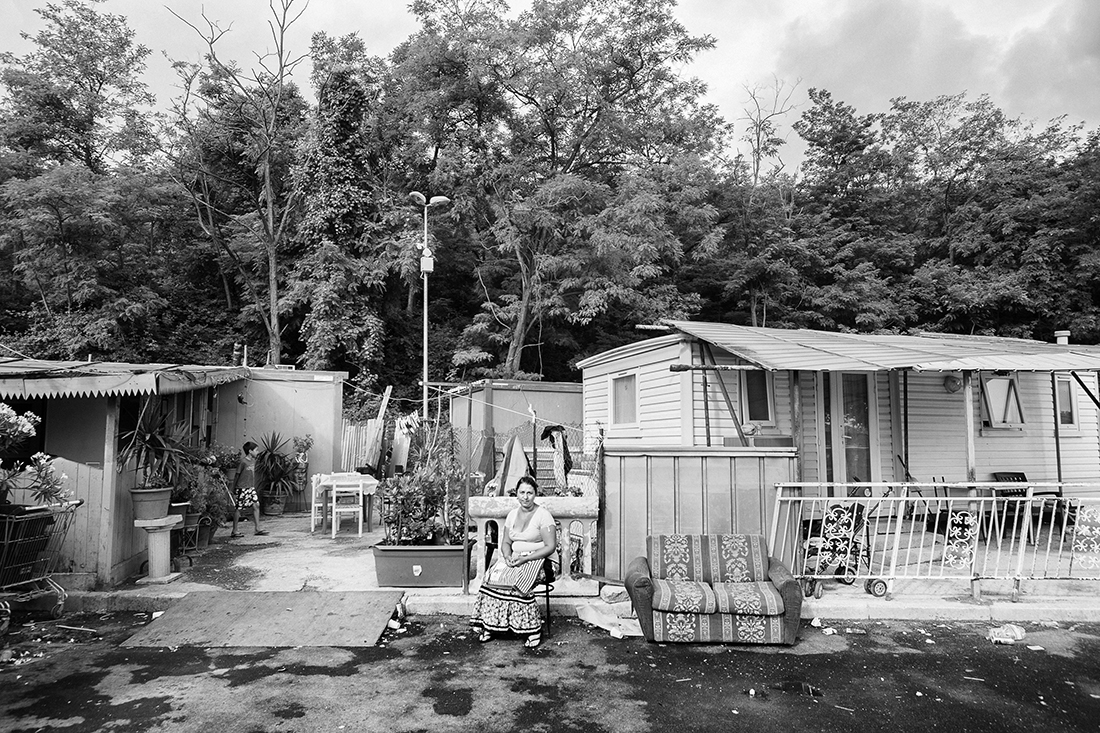
In the city of Rome one fifth of the entire ROM population is concentrated, documented in housing discomfort: almost 8,000 people, living in that tangible oxymoron that are the "nomad camps". ". Today these camps have become huge ghettos, on the edge of the city, where a series of problems are concentrated that make them a highly explosive mixture. There is a high degree of overcrowding, with ROM of different ethnicities and different religious beliefs (for example, Christian Orthodox and Islamic) forced to live in the same camp. There is also (although we are talking about authorized camps and here equipped with containers with both light and water) an obvious lack of hygiene, with large quantities of waste heaped here and there that make it seem often all like a real landfill open sky. Then there are the usual problems related to many of their illegal activities (kept well hidden to an outside visitor), which often halve entire families, as many then find themselves serving several years in prison. . Unfortunately, the camps have also become the object of great interest for criminal organizations; sadly famous, in this regard, was the scandal of Mafia Capital: "Gypsies make more of the drug," are the words used by the boss Salvatore Buzzi, intercepted by the police in the investigation that has overwhelmed the administration of Rome in 2015.Another feature that I could personally notice, during the years of my photographic attendance of this reality, is that the Gypsies even if they apparently interact with the outside world (we), in almost all, are closed in their own world guided by their strictness rules: an interior world, invisible, which comes from a distant past and which, mechanically, determines this experience, which almost always translates into a real wall, often insurmountable.
Of this reality so harsh and sometimes even cruel, those who pay most inexorably all the consequences, are the young generations who, thanks to a very low level of schooling, are destined to have no hope for their future.
AUTHOR: Pietro Di Giambattista (Italy)
HOME
STORIES
BOOKS
BIO
CONTACT
P H O T O G R A P H E R
Pietro Di Giambattista born in Pannarano (BN) in 1956 and he lives and works in Rome. After having studied technical studies he started a full-time classical guitar course and in 1991 he became a performer. He decided to give up the study of the guitar and dedicated himself to photography, devoting his attention mainly to landscapes and portraits. In 1992 he won the 1st prize in a national photography competition at Ercolano (Napoli). In 1997 he enrolled at a Photography Workshop in Toscana held by the famous English landscape photographer Eddie Ephraums. From that time onwards he started taking part into workshops that will determine his professional growth. He also had the chance to meet Paolo Pellegrin and Antonin Kratochvil. In the year 2000 he met Francesco Zizola in Massa Marittima at the Toscana Fotofestival and at the Polaroid workshop he met Maurizio Galimberti. He attended a workshop with Michael Ackerman and later with Yury Kozyrev in Rome. He also enrolled in some courses at the Permanent School of Photography "Graffiti" in Rome, directed by Gianni Pinnizzotto and also attended the start-up to the profession of photojournalism with Rolando Fava . In 2002 he sent a selection of portraits that are part of his work "Nomads" at the World Press Photo where he won the third prize in the category of Portraits. In 2002 he won the 7th International photograph exhibition of Photography in Solighetto (Treviso) , an award that allowed him to publish his first book "Nomads". Pietro di Giambattista has exhibited in several Italian cities and in Barcelona. He has received several honorable mentions in several competitions, was a finalist in the 2016 Photographers Forum Magazine's, first place in the 2016 ND AWARDS in the category Editorial - Daily Life.
SHARE
Support this photographer - share this work on Facebook.