TITLE: Residual Memory
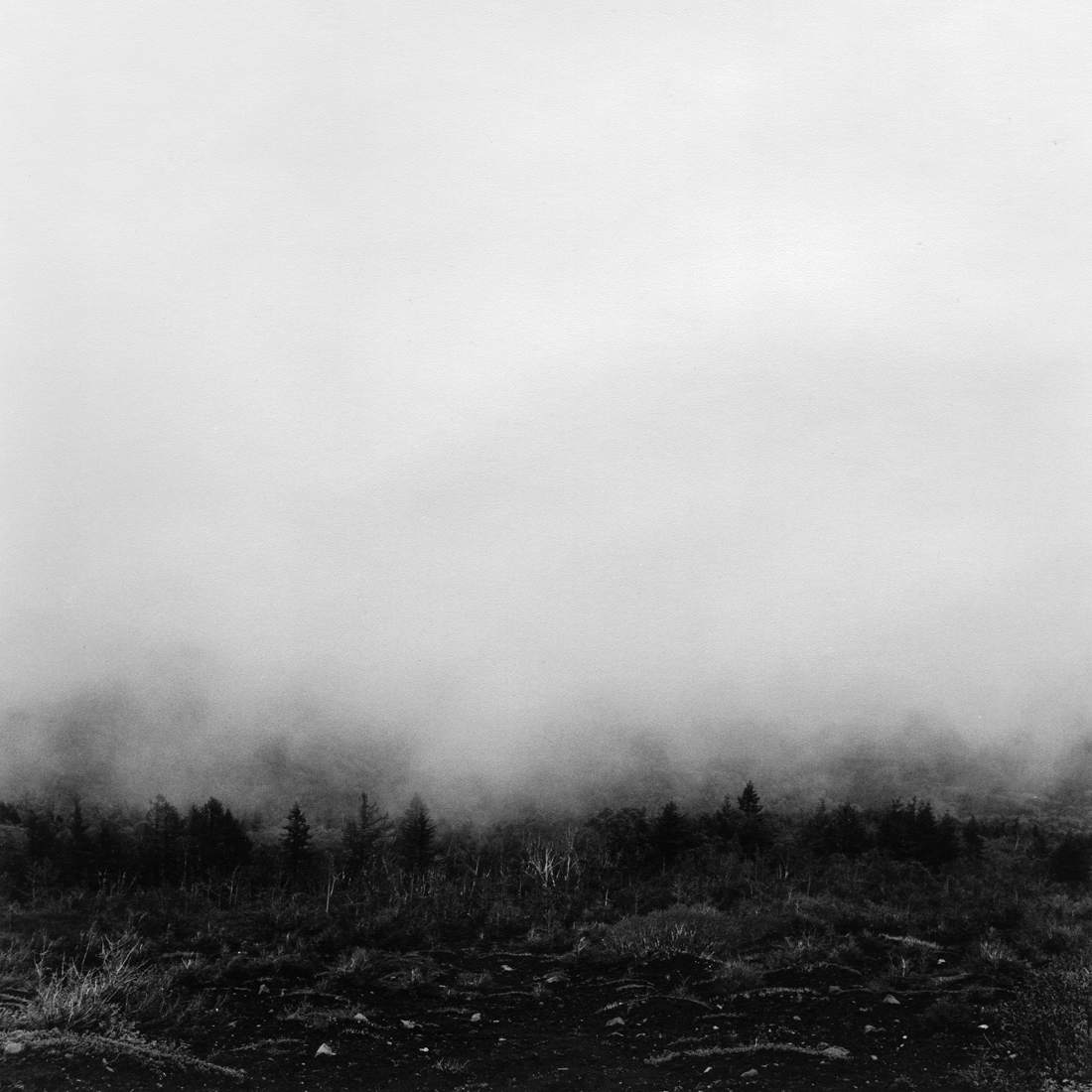
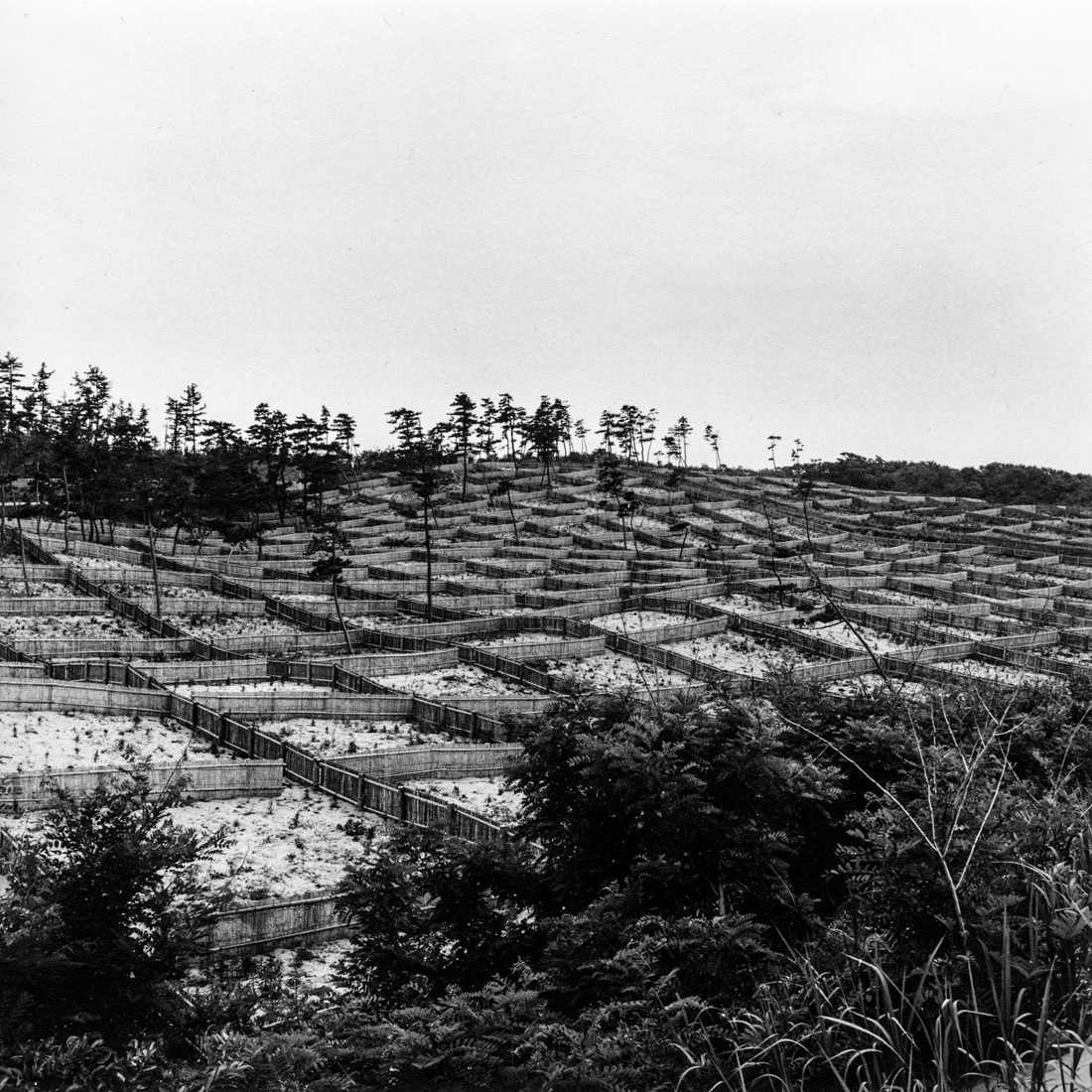
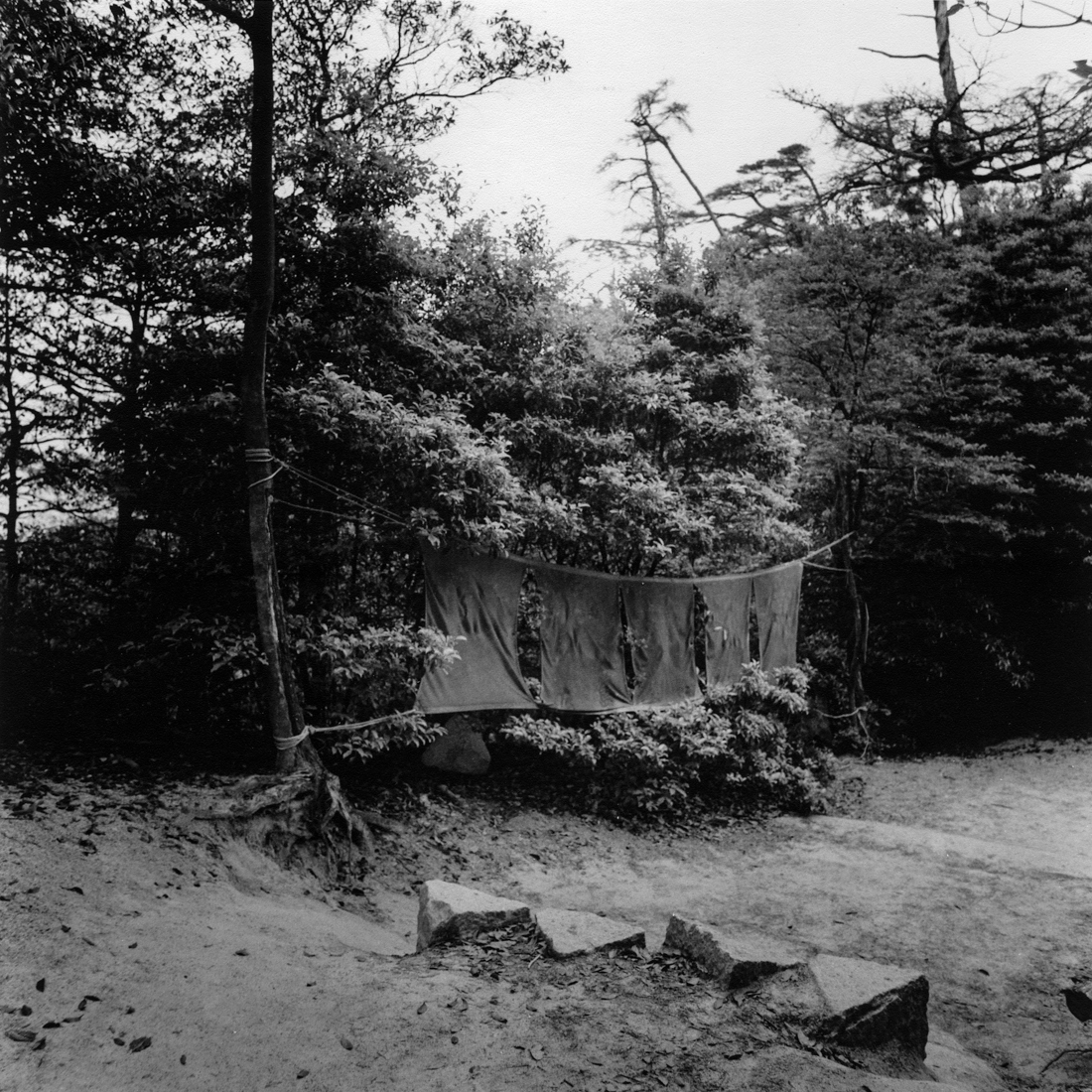
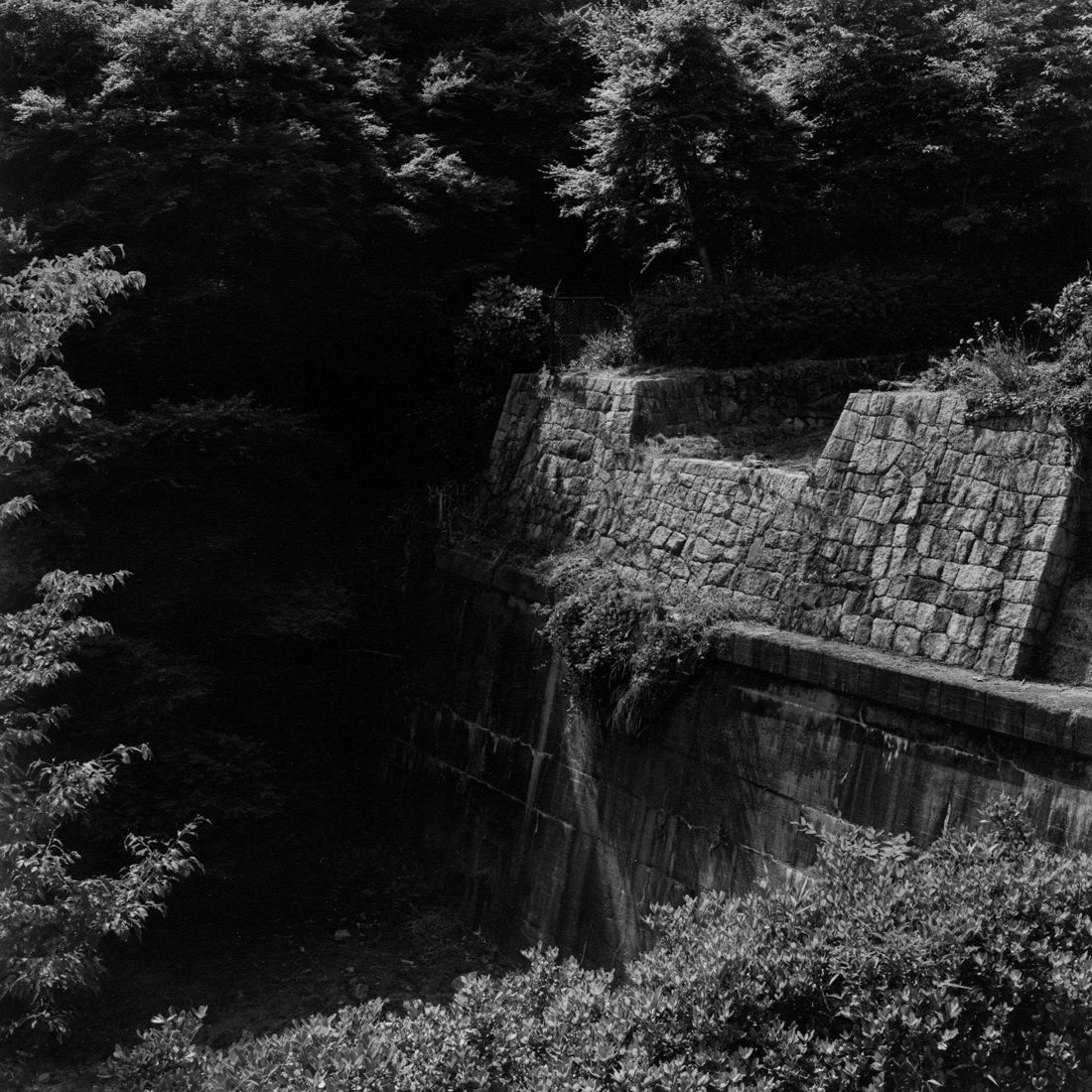
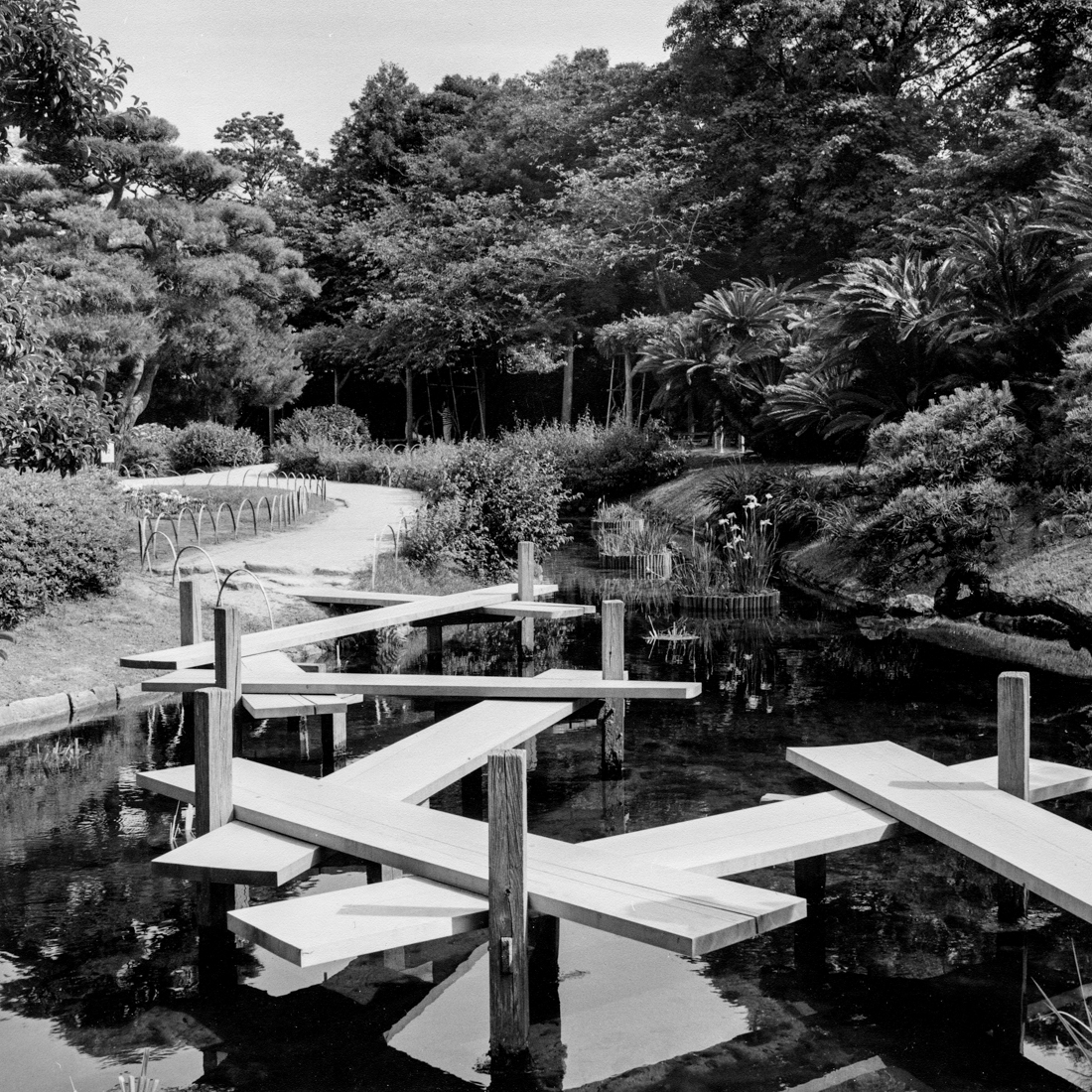
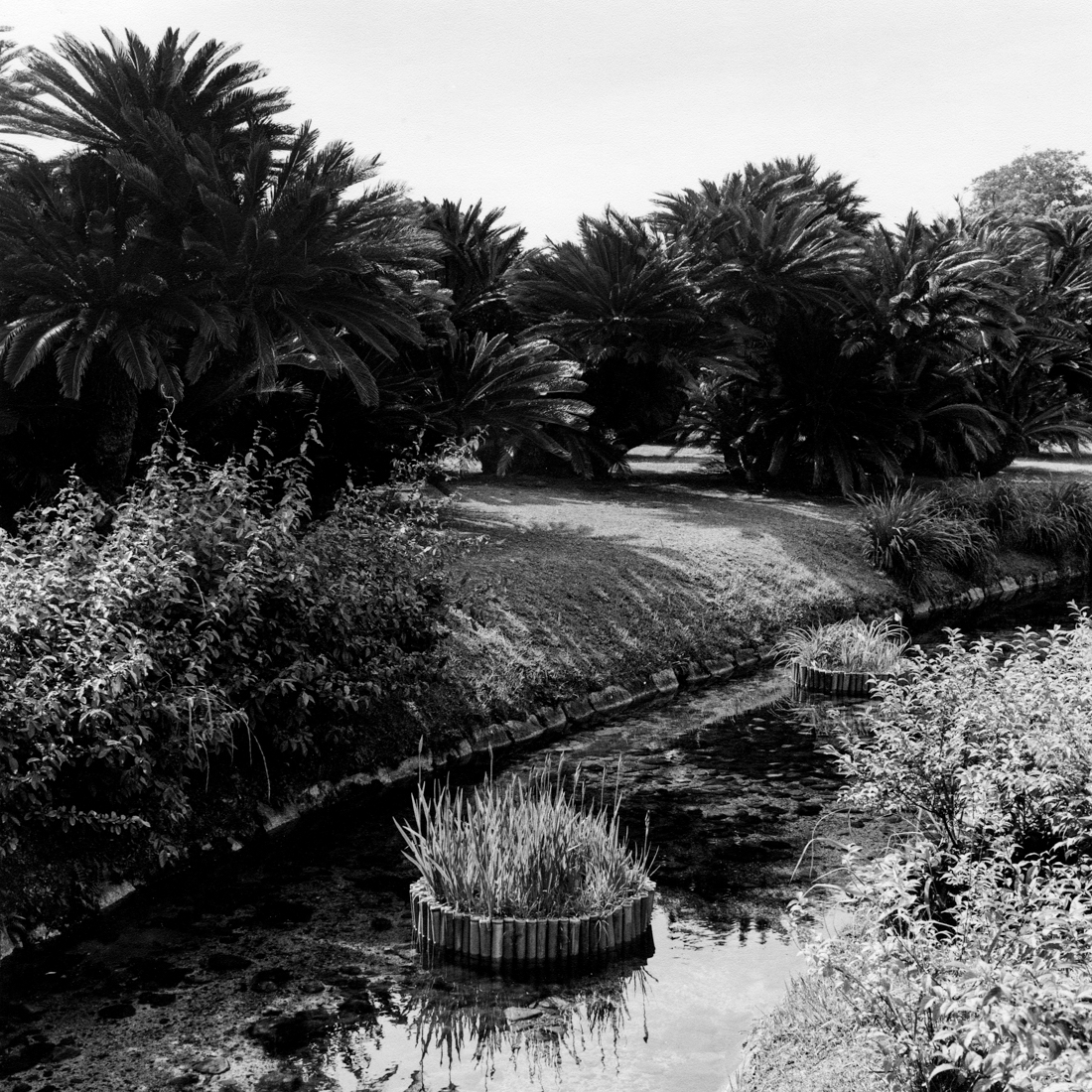
Every society uses space as a way of creating an image for itself. In Japan, the natural landscape is an important part of the culture and is central to the Japanese perception of space. However, according to this perception, nature itself seems to lack some key elements. The natural landscape is thus often modified, altered or created from scratch to better reflect this understanding of space. By doing so, the Japanese create an alternate environment sometimes based on beliefs or myths intrinsic to the Japanese culture, other times for utility purposes and space expansion.
By manipulating their environment, it seems that the Japanese seek to perpetuate the traditions in memory of an older Japanese civilization and to make it come alive again. Residual Memory documents the Japanese space that has been worked and transformed by humans: gardens built from scratch or natural landscapes that have been heavily manipulated. In both cases the traces of human transformation are strong, and the gardens are produced not only in aims of spatial improvement but also in aims of preserving the cultural value of the landscape.
AUTHOR: Félix Bernier (Canada)
Self-taught photographer that developed a passion for film photography over the years . With this approach and with a growing taste for minimalist scenes with a distinct character, Felix wanders through urban, rural and natural scenes looking for inspiration. Felix has also been part of an independent photography club where he is a member of the management board and is responsible for the organization of activities and events.
SHARE
Support this photographer - share this work on Facebook.